
Chainsaw Carburetor Spares: Kits or Complete Assemblies?
Choose chainsaw carburetor spare parts by confirmed fitment, kit contents and dealer repair capability before ordering repair kits or complete assemblies.
DEALER SERVICE & SPARE-PARTS PLANNING
Chainsaw Carburetor Spare Parts: Should Dealers Stock Repair Kits or Complete Assemblies?
Chainsaw carburetor spare parts need to match both the fitted carburetor and the repairs a dealer can complete. A kit can support economical servicing when the fault falls within its scope and trained technicians are available. A complete assembly may suit other cases, but still needs confirmed fitment, correct installation and verification on the supplied engine.
For importers, the stocking question extends beyond the purchase price. The right assortment helps workshops finish appropriate repairs while avoiding unidentified inventory and unnecessary replacement of serviceable components.
Quick answer: Identify the installed carburetor before comparing repair kits and complete assemblies. Confirm its full reference, the exact contents of each kit and the approved application of any replacement assembly. Kits suit workshops able to diagnose, service and verify that carburetor; assemblies can reduce internal repair work but still require proper installation and operating checks. Compare the cost of a completed repair, including installation items, labor and verification. For a new dealer programme, begin with a limited assortment linked to confirmed machine configurations, then adjust stock using actual repair records.
01 / Identify the Fitted Carburetor, Not Just the Chainsaw
Obtain the carburetor manufacturer, full model or part number, an identifiable photograph and the supplier’s approved replacement reference for each ordered configuration. If the component has no readable marking, request a controlled identification drawing or another supplier-confirmed reference.
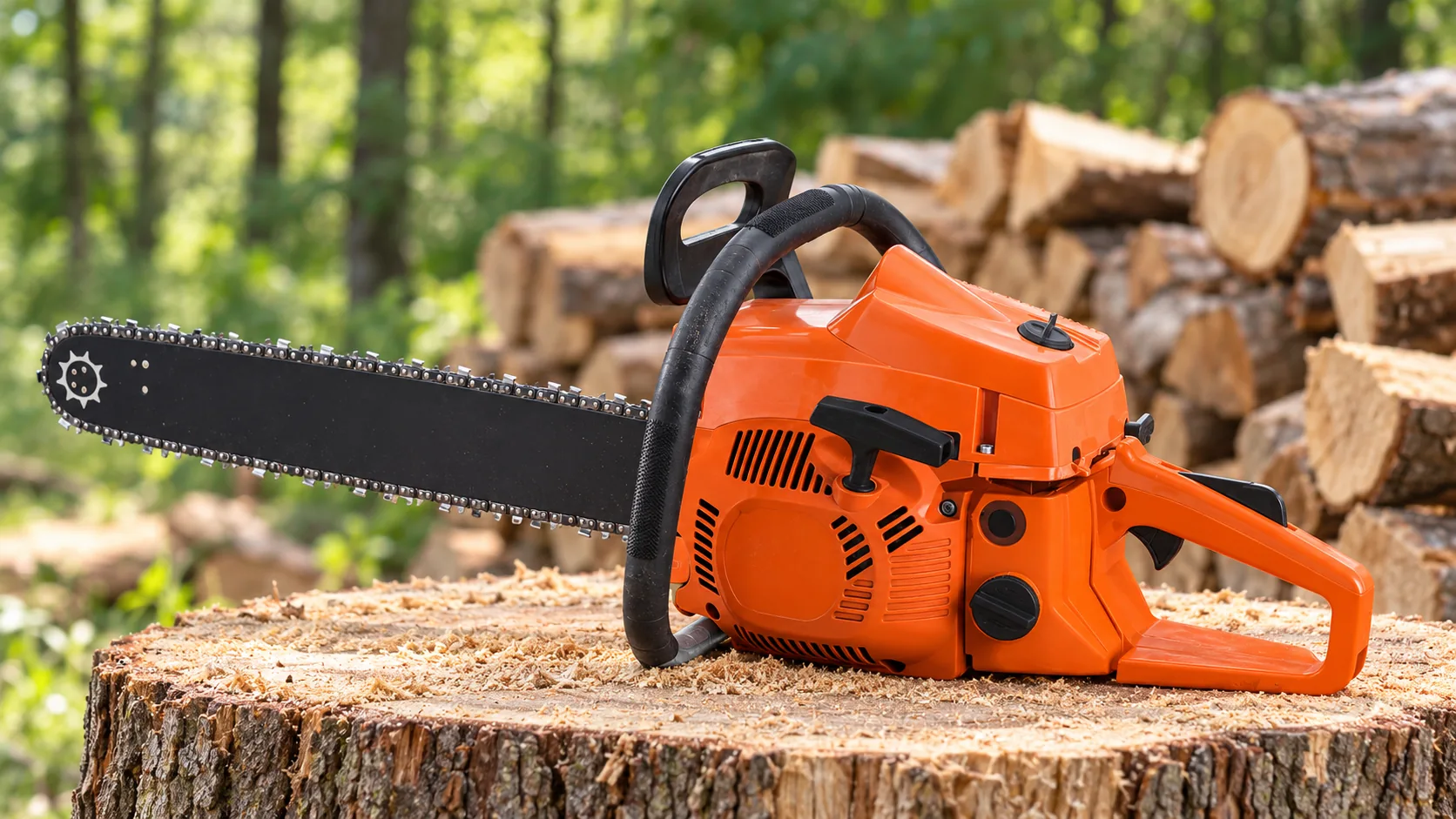
The TEAMAX range illustrates the limitation of machine descriptions. TM-CS5200, TM-CS5201 and TM-CS5202 are listed as 52cc models with 18-inch and 20-inch guide-bar options. These shared descriptions do not establish carburetor or repair-kit interchangeability.
The category page also lists TM-CS5801 with 45cc, 52cc and 62cc engine options. Its service record needs the selected engine and fitted carburetor, rather than one assumed kit attached to the public model name. The listings do not identify installed carburetor brands or service-kit references; request those details from the machine supplier.
|
MODEL REFERENCE TEAMAX Chainsaw Range |
TM-CS5200 / TM-CS5201 / TM-CS5202 / TM-CS5801
|
02 / Compare Kit Contents Against the Repair Scope
A diaphragm-and-gasket kit and a broader repair kit may contain different service items. The word “kit” is not a sufficient purchasing description. Request an itemized list and an exploded drawing identifying the included component numbers. A ZAMA parts-list reference provides an example of manufacturer documentation distinguishing kit references.
For the exact carburetor, establish which faults are serviceable and which components fall outside the quoted kit. Confirm whether mounting gaskets and other installation items are included or require separate order lines. Correct internal parts alone may leave the workshop unable to finish the repair.
| Chainsaw carburetor spare parts | Evidence required before stocking | Service boundary |
| Diaphragm-and-gasket kit | Exact carburetor application and included soft parts | Does not address components outside its contents |
| Broader repair kit | Additional component references and supported repair work | Contents vary; it is not a universal carburetor repair |
| Complete assembly | Approved engine application, connections and supplied installation items | Still requires correct installation and post-installation checks |
03 / Match Each Stock Type to Workshop Capability
Repair kits suit technicians who can identify the carburetor, assess its serviceability and follow the applicable cleaning, assembly and verification instructions. Check access to the required tools and model-specific service information. Manufacturer guidance, including Walbro service FAQs, should be used within the context of the identified component and applicable instructions.
Ask what happens after installation. A workshop that verifies the engine’s operation has a different service capability from an outlet that returns a saw as soon as it starts. Complete assemblies reduce internal carburetor work, but apparent similarity to the original unit does not establish approved fitment or eliminate verification.
Neither option replaces diagnosis. Difficult starting, irregular running and fuel-delivery complaints need appropriate inspection before parts are issued. Stock should support the findings, rather than turn every engine complaint into a carburetor replacement.
Workshop release condition: Perform fuel-system work on a stopped, cool machine, with accidental starting prevented according to its instructions. Keep a saw with leakage or unresolved unsafe running behaviour out of service until a qualified technician completes the required checks.
04 / Compare the Cost of Completing the Repair
Compare both options against the same appropriate service outcome. Include the quoted part, installation items, technician time, verification and repeat handling caused by an incomplete repair. Use actual dealer records where available; do not assume a fixed labor saving or repair success rate.
A trained workshop with repeated demand for one verified kit may stock differently from a retail outlet that sends fuel-system repairs elsewhere. For a new distribution programme, begin with a limited assortment tied to confirmed configurations instead of a large purchase described only as “52cc carburetor kits.”
Track completed kit repairs, unused kits, complete assemblies issued and cases where the original complaint remained. If the network holds both options, define which workshops receive kits, when an assembly is appropriate and who authorizes that choice.
05 / Preserve Identification Through Storage and Reordering
Give every stocked kit or assembly an identifiable reference linked to its carburetor and approved machine configuration. Retain the application confirmation and contents list with the purchasing record. Keep different kits in labeled, separate packages.
Where a kit contains alternative components, preserve the manufacturer’s identification and selection instructions. Loose diaphragms or gaskets grouped by approximate appearance are difficult to issue accurately.
For complete assemblies, retain photographs of the connection arrangement and the approved replacement reference. A new supplier or changed component marking should trigger an application review before the previous compatibility record is reused.
06 / Importer and Dealer Checklist Before Ordering Spares
- Machine configuration: Record the selected chainsaw model and engine option.
- Carburetor identity: Obtain the manufacturer, full reference and identifiable photograph or controlled drawing.
- Approved application: Link each kit and assembly to the fitted carburetor and machine configuration.
- Kit contents: Match included items to numbered components on an exploded drawing.
- Repair limits: Establish which faults the kit can address and what remains outside its scope.
- Installation items: Confirm mounting gaskets and other required components, including separate order lines.
- Workshop readiness: Check technician capability, instructions, tools and post-repair verification.
- Completed-repair cost: Compare parts, labor, verification and repeat handling using available records.
- Stock control: Preserve labeled packaging, alternative-part instructions and assembly connection photographs.
- Reorder review: Recheck application when the supplier, component marking or confirmed configuration changes.
07 / FAQ: Choosing Chainsaw Carburetor Spare Parts
Can one carburetor repair kit cover all 52cc chainsaws?
Displacement does not establish compatibility. Match the kit to the actual carburetor reference and approved application, even where chainsaws share engine size or guide-bar options.
How does a diaphragm-and-gasket kit differ from a repair kit?
A broader kit may include additional service components, depending on the exact reference. Compare itemized contents and the applicable parts drawing rather than relying on the package name.
Is a complete carburetor assembly automatically ready to use?
No. Confirm the approved engine application, connections, installation components and procedure. The installed assembly still requires the specified checks on the supplied engine.
What should an importer request if the carburetor marking is unreadable?
Request a controlled identification drawing or another supplier-confirmed reference, supported by an identifiable photograph and approved replacement information. Do not infer the brand from another machine or a generic aftermarket listing.
Should a dealer network hold both kits and complete assemblies?
It may be practical where workshops have different capabilities. Define each option’s application and authorization rules, then adjust quantities using completed-repair records and unused-stock data.
Request Identifiable Parts and Itemized OptionsSend the supplier your selected machine configurations and request a carburetor-to-kit cross-reference with itemized prices. Include complete assemblies where available. This makes a chainsaw carburetor spare parts order reflect confirmed fitment, repair scope and the work your dealers can complete.
|