
Replacement Gasoline Engine Shafts: What Must Buyers Match?
Check gasoline engine shaft compatibility before bulk orders. Match PTO dimensions, keyways, mounting points and drive requirements for replacement engines.
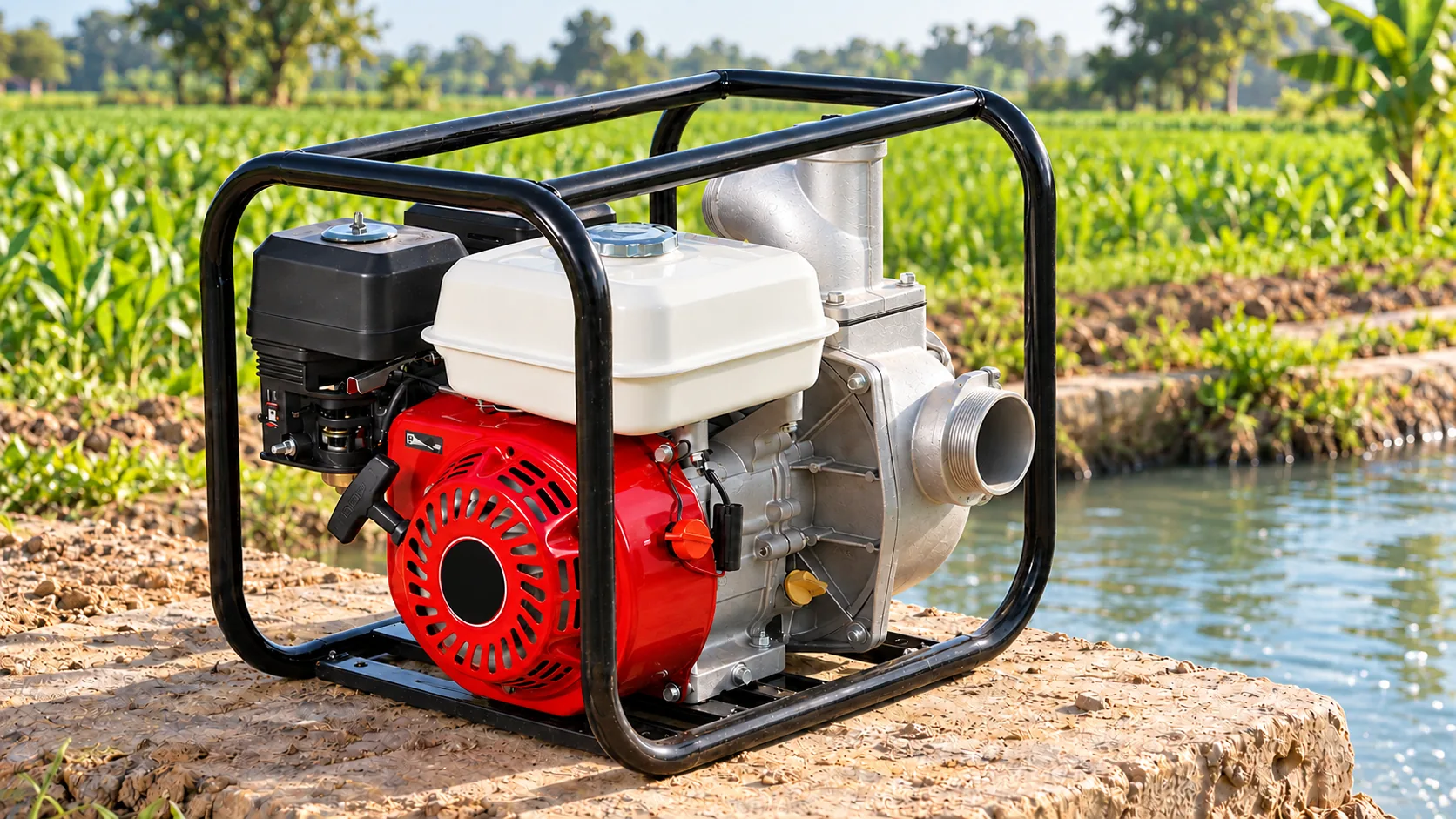
Gasoline Engine Shaft Compatibility: What Importers Should Check Before Ordering
Gasoline engine shaft compatibility determines whether a replacement engine can connect correctly to an existing machine. Matching horsepower and displacement leaves critical questions unanswered: will the driven component fit the shaft, will the retaining hardware engage correctly, and will the engine align with the equipment mounting points?
For distributors supplying repair workshops, the purchasing specification needs to identify the output-shaft configuration and equipment interface alongside the engine model. Similar headline specifications can conceal different connections, leaving dealers with engines they cannot install as intended.
Quick answer: Establish compatibility from the equipment interface and an approved engine drawing. Start with the required PTO shaft form, dimensions, tolerances and retaining arrangement, then review the mounting pattern, shaft centre height, rotation viewpoint and operating requirements. Keep metric and inch specifications explicit: a 3/4-inch nominal shaft is 19.05mm, not 20mm. For bulk orders, assign a purchasing reference to each approved shaft variant and have a qualified workshop or equipment integrator validate a sample against the intended installation. Horsepower, displacement and a familiar engine model name do not establish fitment.
1. Define the Machine and Driven Component First
Begin with the machine being repaired and the component connected to its engine. A belt-driven installation, a pump assembly and a generator installation can require different interfaces. “Engine for agricultural equipment” does not define the connection.
Request the equipment model, original engine identification and relevant assembly drawing where available. Photographs can clarify the layout, but they should support the dimensional specification. Include the driven component’s connection and retaining arrangement in the enquiry.
The Teamax category lists standalone engines alongside complete water pumps. Select the product type that matches the purchasing task, then establish the exact configuration.
PRODUCT SELECTION REFERENCE
Teamax Gasoline Engines and Complete Water Pumps
TM-170F-1 and TM-170F-2 gasoline engines: Both are listed as 196cc models with maximum output of 6.5HP at 3600rpm. They are relevant starting points for a replacement-engine enquiry, but these shared figures do not establish identical output shafts or installation details. Request the drawing for the actual variant quoted.
TM-WP50A complete water pump: Its listed 2-inch/50mm outlet describes a hydraulic connection. It does not identify the mechanical interface between the engine and pump. Review this model when sourcing a complete pump; establish engine-to-pump fitment separately if replacing only the engine.
| Review Engine and Pump Options |
2. Specify Gasoline Engine Shaft Compatibility on a Drawing
PTO means power take-off: the output through which the engine drives the attached equipment. Establish the required shaft form before comparing replacement offers. Do not assume that engines of a familiar size all use a straight, keyed shaft.
For a straight keyed arrangement, record the diameter, usable projection, shoulder position and keyway dimensions. Other connections need their corresponding specifications, such as taper geometry, spline details or external thread dimensions. The quotation should identify which option will be supplied.
| Drawing feature | Information to approve | Problem it helps prevent |
| Shaft form and diameter | Connection type, dimensions and tolerances | A pulley, coupling or other driven component that does not fit as specified |
| Projection and shoulder | Reference face, exposed length and usable working section | Equal-looking length figures describing different features |
| Drive connection | Keyway dimensions, taper geometry, spline details or applicable thread specification | A connection that cannot engage correctly |
| End retention | Where used, shaft-end thread specification and usable depth; required bolt, washer and spacer | Retaining hardware that cannot secure the assembly as designed |
Identify which keys, washers, spacers and retaining bolts are supplied with the engine and which belong to the equipment assembly. A photograph showing hardware does not define the supply scope.
A pulley or coupling sliding onto the shaft is insufficient evidence of correct assembly. Fit, engagement and retention must meet the specification. Any proposed adapter or machining change needs an engineering review of the complete installation before approval.
3. Keep Inch and Metric Specifications Separate
A 3/4-inch nominal shaft diameter converts to 19.05mm, not 20mm. Rounding that dimension for a catalog or purchase order can create a fitment error. Retain the original dimensional system and show any conversion only as a reference.
Receiving inspection should use the approved dimension and tolerance. Apply the same discipline to keyways and threads: “standard key” or “standard bolt” does not identify a part accurately enough for purchasing.
Where several shaft variants share one engine model, give each approved configuration a distinct purchasing reference. Warehouse staff can then distinguish variants during order picking without relying on the headline model name.
4. Review Mounting, Rotation and Installation Space Together
A matching shaft is only one part of the installation. Base mounting-hole locations, shaft centre height and any flange or pilot features determine whether the engine and driven equipment can be positioned correctly together.
State rotation with its viewing direction. “Clockwise” alone can be misunderstood; the equipment requirement and supplier drawing need the same viewpoint. Manufacturer specifications can explicitly define this reference, as illustrated in Honda’s engine specifications.
Mechanical alignment: Approve the hole pattern, shaft centre height and locating features against the equipment assembly.
Operating requirements: Obtain the equipment’s required speed and load, together with the engine supplier’s applicable ratings. Maximum horsepower alone does not establish suitability.
Installation access: Review recoil starter, exhaust and air-intake clearances, maintenance space, and the required stop and throttle connections.
These checks belong in the same fitment review. An engine can match the shaft dimensions yet remain impractical to install, control or service in the available space.
5. Approve the Sample and Control Later Substitutions
Before a bulk replacement-engine order, have a qualified workshop or equipment integrator review a sample against the intended installation. Follow the applicable manufacturer instructions for assembly and validation, and record the engine variant and equipment configuration covered by the approval.
A successful installation on one machine does not establish compatibility with every pump or generator carrying a similar power description. Dealer literature should name the verified application or provide the approved interface specification. “Fits all 6.5HP machines” exceeds what those shared power figures demonstrate.
Keep the approved drawing revision with the order reference. A proposed shaft, housing or mounting change requires review of the affected installation, even when the commercial engine model remains unchanged.
6. Importer and Dealer Checklist Before Order Release
Use this gasoline engine shaft compatibility checklist to record the evidence behind the order. Leave unresolved dimensions visible until the supplier and installation reviewer have settled them.
- Application identified: Record the equipment model, original engine identification and driven component.
- Shaft variant defined: Attach the quoted PTO drawing with its form, dimensions and tolerances.
- Length reference shown: Identify the measurement face, projection, shoulder and usable working section.
- Units retained: Keep original inch or metric specifications explicit, including keyway and thread designations.
- Retention specified: Confirm applicable thread depth, key, bolt, washer and spacer, with supply responsibilities.
- Mounting reviewed: Approve hole locations, shaft centre height and any flange or pilot features.
- Operation matched: Confirm rotation viewpoint, required speed and applicable load ratings.
- Access checked: Review starter, exhaust, intake, maintenance, stop and throttle arrangements.
- Sample approval recorded: Identify the specific engine and equipment combination reviewed.
- Repeat-order reference controlled: Link the variant code and drawing revision to the purchase order and dealer fitment description.
7. FAQ: Replacement Engine Fitment Questions
Does matching horsepower establish gasoline engine shaft compatibility?
No. Horsepower does not define shaft diameter, projection, keyway, retention or mounting geometry. Compare the actual engine variant with the equipment interface and review the operating requirements separately.
Can a 3/4-inch shaft be ordered as a 20mm shaft?
Those nominal dimensions are different: 3/4 inch equals 19.05mm. Preserve the specified dimension and tolerance rather than rounding it to a nearby metric size.
Do TM-170F-1 and TM-170F-2 necessarily use the same shaft?
Their listed 196cc displacement and maximum output of 6.5HP at 3600rpm do not establish identical shafts. Obtain the configuration drawing for each offered variant before treating either as a replacement.
Does a 2-inch pump outlet identify the replacement engine connection?
No. The TM-WP50A’s listed 2-inch/50mm outlet describes the water connection. Engine-to-pump shaft fitment and mounting require their own mechanical specifications.
Can an adapter resolve a shaft mismatch?
An adapter or machining proposal needs an engineering review of the complete installation. The fact that components can be assembled does not establish correct fit, engagement, retention or operating suitability.
What should a replacement gasoline engine enquiry include?
Send the equipment and original engine identification, required PTO drawing, mounting information, rotation viewpoint and operating requirements. Identify missing information explicitly and request confirmation against each interface.
Build the Enquiry Around the Required Interface
For gasoline engine shaft compatibility, a defined configuration gives the supplier a precise quotation target and the dealer a clear fitment description. Review the available Teamax engine and pump options, then provide the PTO drawing and equipment mounting information for configuration confirmation.
| Ask About Available Configurations |