
Brush Cutter Fuel Tank Capacity: Compare Real Working Time
Compare brush cutter fuel tank capacity with actual working time. See what dealers should verify before promising longer runtime or choosing a bulk order.
BACKPACK BRUSH CUTTER BUYING GUIDE
Brush Cutter Fuel Tank Capacity: How Dealers Should Assess Working Time
Brush cutter fuel tank capacity tells you how much fuel a machine can hold. It does not establish how long it will cut between refills. For dealers comparing petrol models, the useful evidence is working time under a defined cutting load, with the attachment and operating conditions recorded.
This matters when supplying farm-tool shops or operators working away from a convenient refuelling point. Customers want to know whether one tank will finish their usual job. A purchasing decision based only on millilitres can lead to a runtime promise the delivered machine has never been tested to meet.
Quick answer: Compare the work completed between refills, alongside the time recorded. The TM-BG143 lists a 1200ml tank, but its published specifications do not establish a verified runtime per tank. Start with the intended vegetation and approved cutting attachment, then request a demonstration that records fuel used, active cutting time and pauses. Keep the quoted configuration consistent with the demonstrated machine. Until measured evidence is available, describe tank capacity separately from working time and avoid promising a fixed number of minutes to retail customers.
1. Read brush cutter fuel tank capacity alongside the engine specification
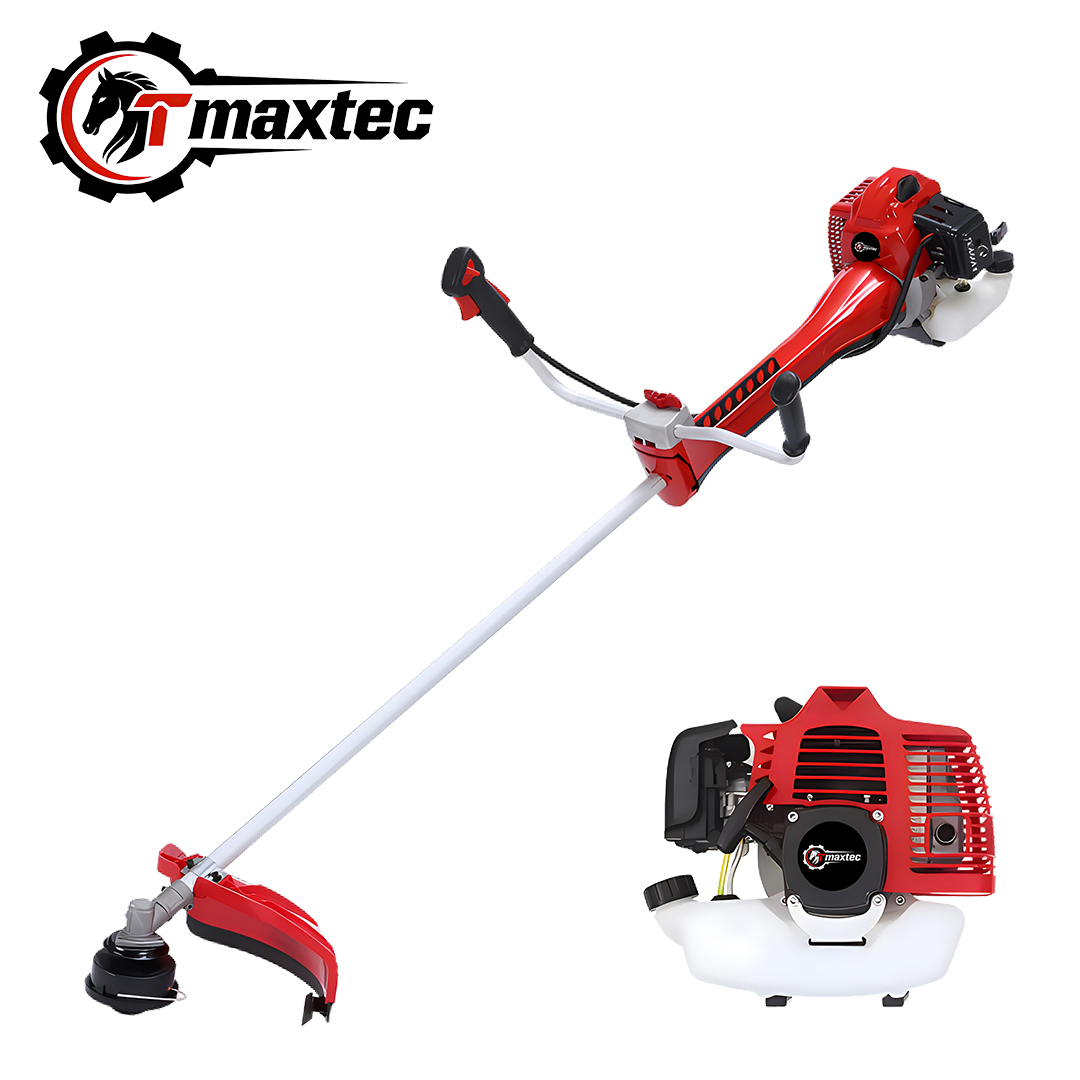
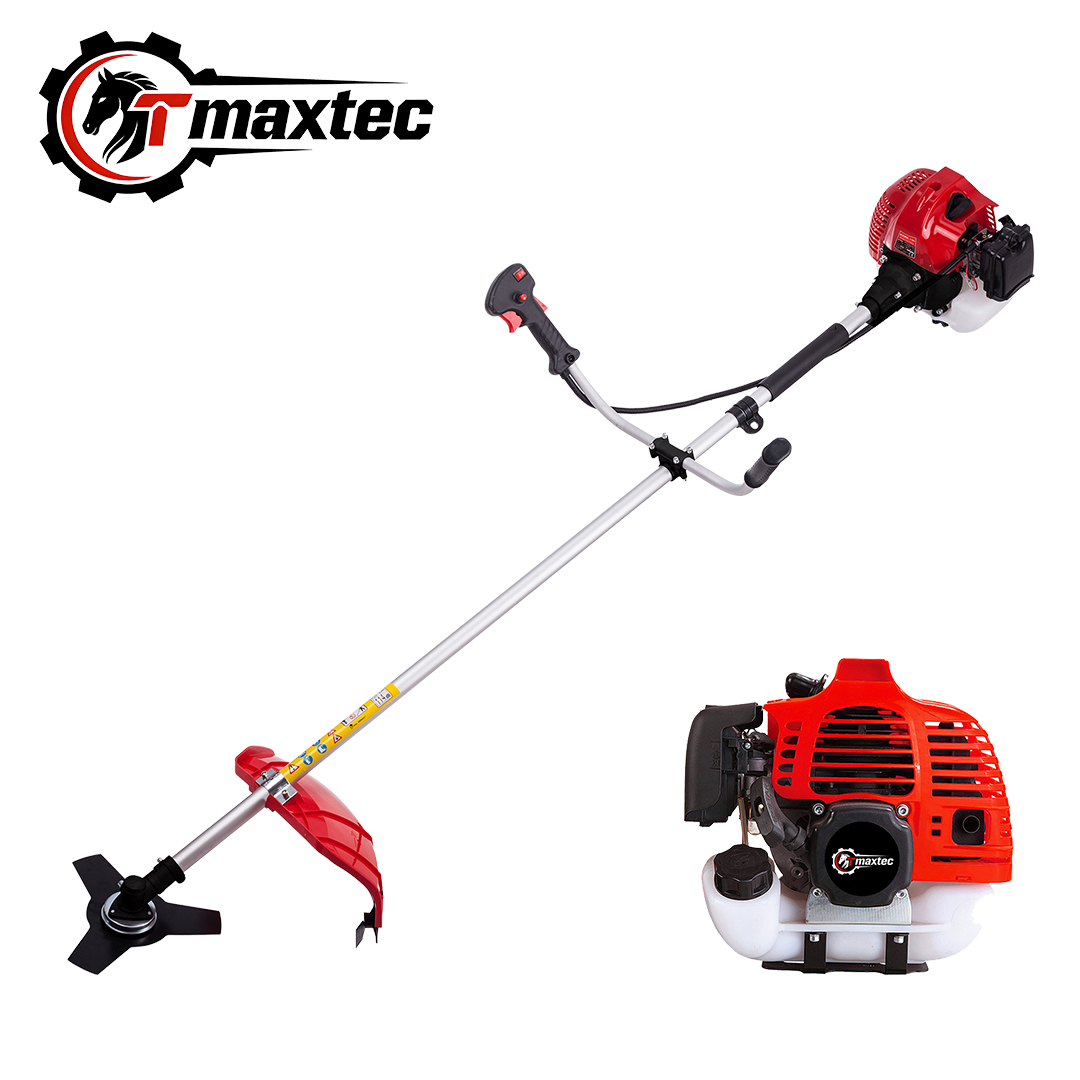
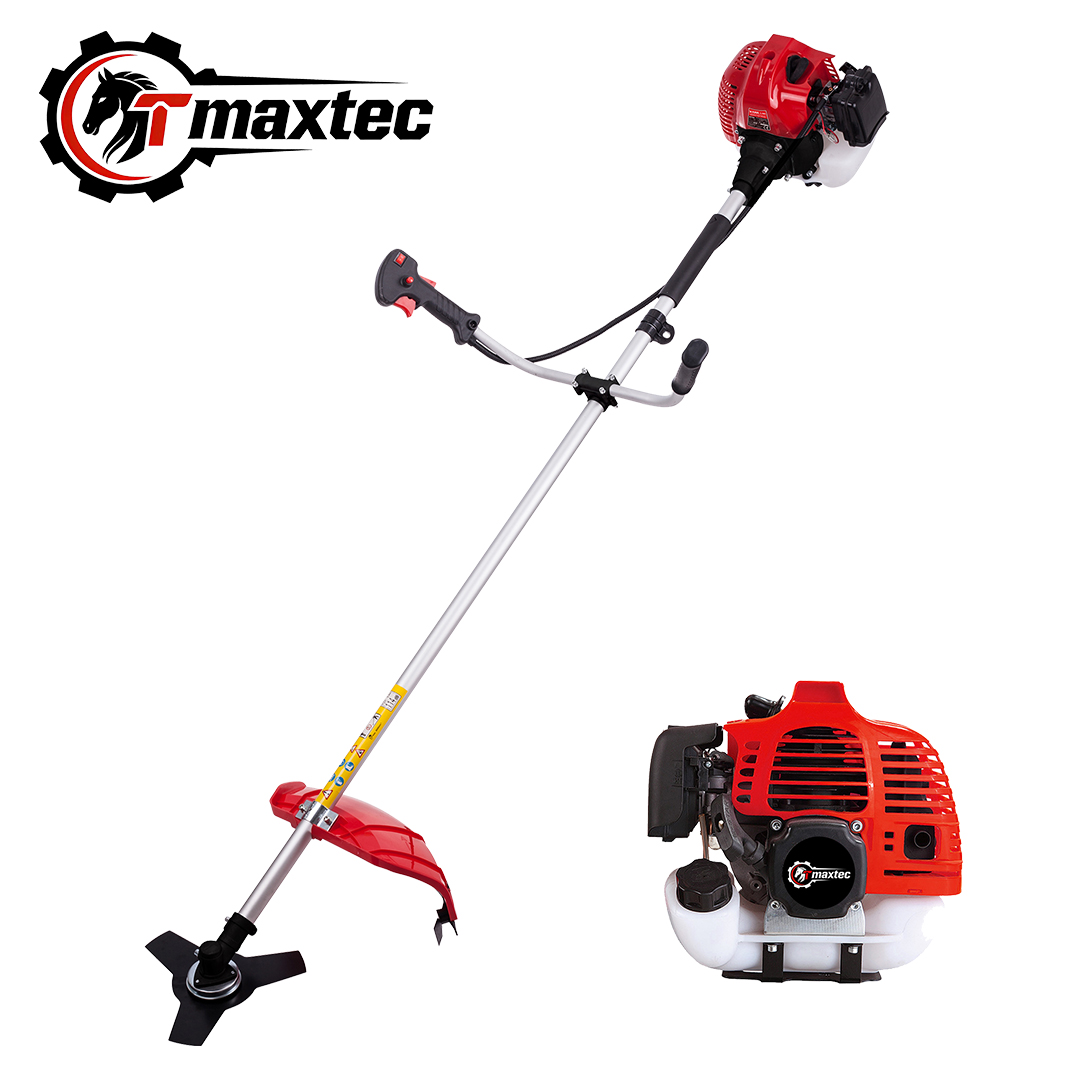
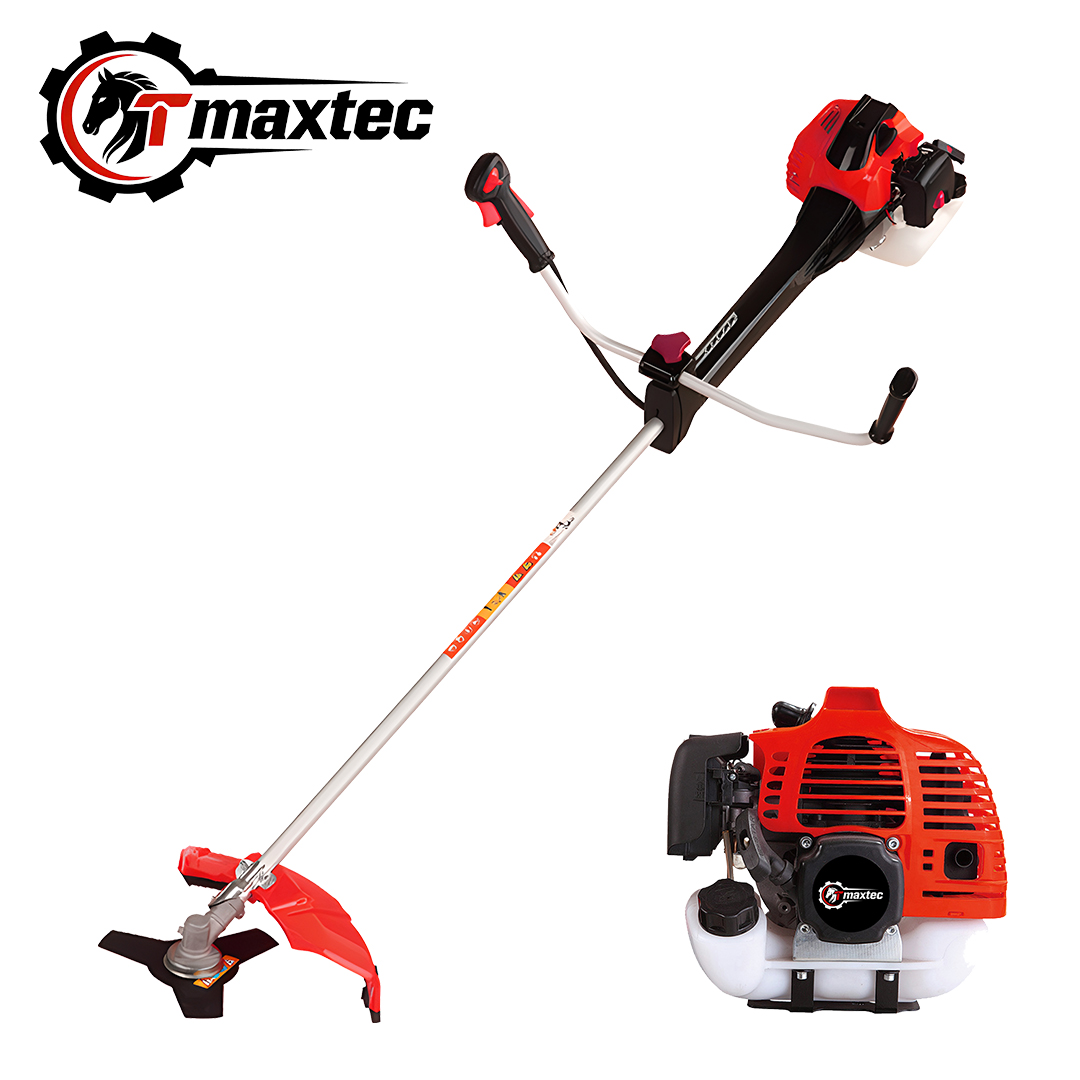
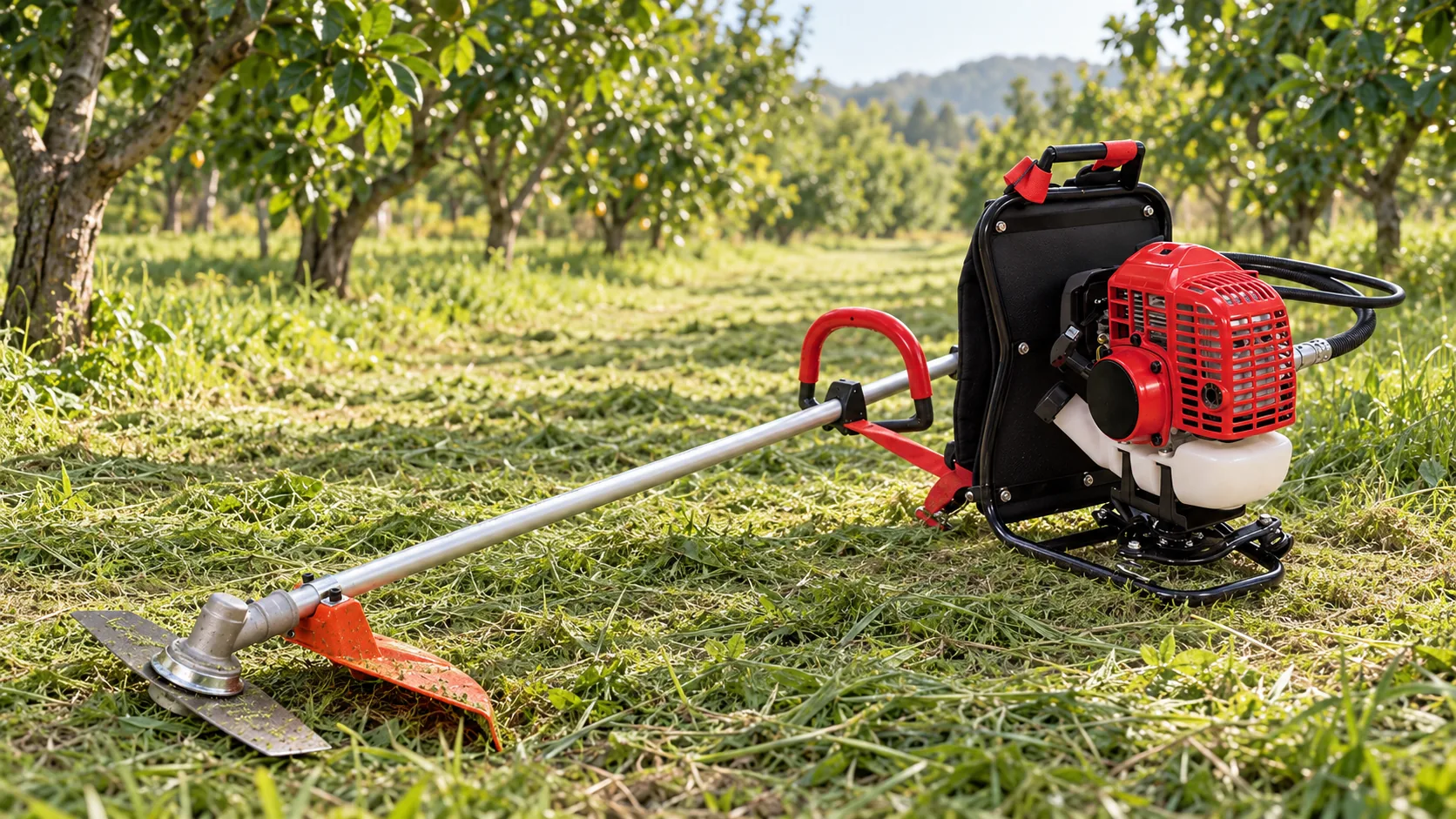
The TM-BG143 backpack brush cutter lists a 1200ml fuel tank, a two-stroke air-cooled engine and 41.5cc displacement. These figures identify the reference machine’s fuel-storage capacity and engine configuration. They do not provide a measured consumption rate.
Its listed rated output of 1.6kW at 6500rpm is an engine-output reference. It is not a fuel-economy rating, cutting-attachment speed or promise of cutting capacity. Displacement cannot be converted directly into hourly fuel consumption either.
| Published reference | What it establishes | What remains to be assessed |
| Brush cutter fuel tank capacity: 1200ml | Listed fuel-storage capacity | Working time under the intended cutting load |
| 41.5cc; two-stroke, air-cooled | Engine displacement and type | Measured fuel consumption during a defined task |
| 1.6kW at 6500rpm | Listed rated engine output | Suitability for the proposed attachment and workload |
| 1:30 mixed-fuel ratio | Reference fuel-mixture specification | Instructions confirmed for the supplied engine |
Keep these reference figures separate from any runtime claim in the dealer catalogue. Final order specifications belong in the quotation or proforma invoice, particularly when the selected configuration differs from the reference machine.
2. Compare the job completed, not just the minutes recorded
Trimming short grass at a comfortable pace and repeatedly cutting dense, tangled growth are different workloads. Even with the same machine and tank, elapsed time alone does not make those demonstrations comparable.
A long recording may include idling, repositioning and pauses. For a distributor supplying regular maintenance work, a more useful record combines active cutting time with the vegetation treated and the approximate section completed. Photographs help establish whether two tests describe similar jobs without inventing a hectares-per-hour claim.
| Established farm paths
Use representative maintenance growth. Record grass condition, moisture and the section completed during the session. |
Neglected plots
Assess heavier clearing separately. A light-trimming observation does not establish runtime in dense or tangled vegetation. |
3. Match the demonstration attachment to the package being quoted
The cutting attachment is part of the comparison. Changing the head, line specification or approved blade changes the work being asked of the engine. A result obtained with one attachment should not automatically become the sales claim for every accessory package.
For a nylon head, record the head type and approved line specification. For a metal blade, identify the approved blade configuration. The product page alone does not establish which attachments are included or approved for a particular order.
Use only attachments and guards approved for the supplied configuration. Extending nylon line beyond the specified limit or fitting an oversized blade does not provide a valid basis for a runtime comparison.
4. Request a fuel-use record that explains the result
A video of a running engine needs context before it can support a catalogue statement. Agree whether the session is intended to assess fuel consumption, time between refills or completion of a particular task.
- Identify the setup. Record the machine configuration, attachment and approved fuel mixture.
- Describe the site. Note vegetation type, density, moisture and ground conditions.
- Measure the fuel. State the quantity added and the measurement method; do not rely on an unmeasured tank level.
- Separate the times. Record active cutting, idling and pauses rather than reporting one unexplained duration.
- Record the work completed. Describe the treated section and include photographs where useful.
Fuel used divided by operating time gives a consumption rate for that session, provided the units and time basis are stated. Its meaning depends on the recorded conditions. A rough estimate should not be presented with the precision of a measured result.
Measurement boundary: Nominal tank capacity is not automatically a precisely measured usable test quantity. Follow the filling instructions and agree a safe measurement method. Stop the engine, allow it to cool as instructed and keep fuel handling away from ignition sources.
5. Assess the TM-BG143 against your customers’ work sessions
For mobile farm workers, interruptions away from a refuelling point may influence model selection. For occasional users working near a storage shed, the interval between refills may carry less weight. The purchasing question is whether the proposed machine fits that working pattern.
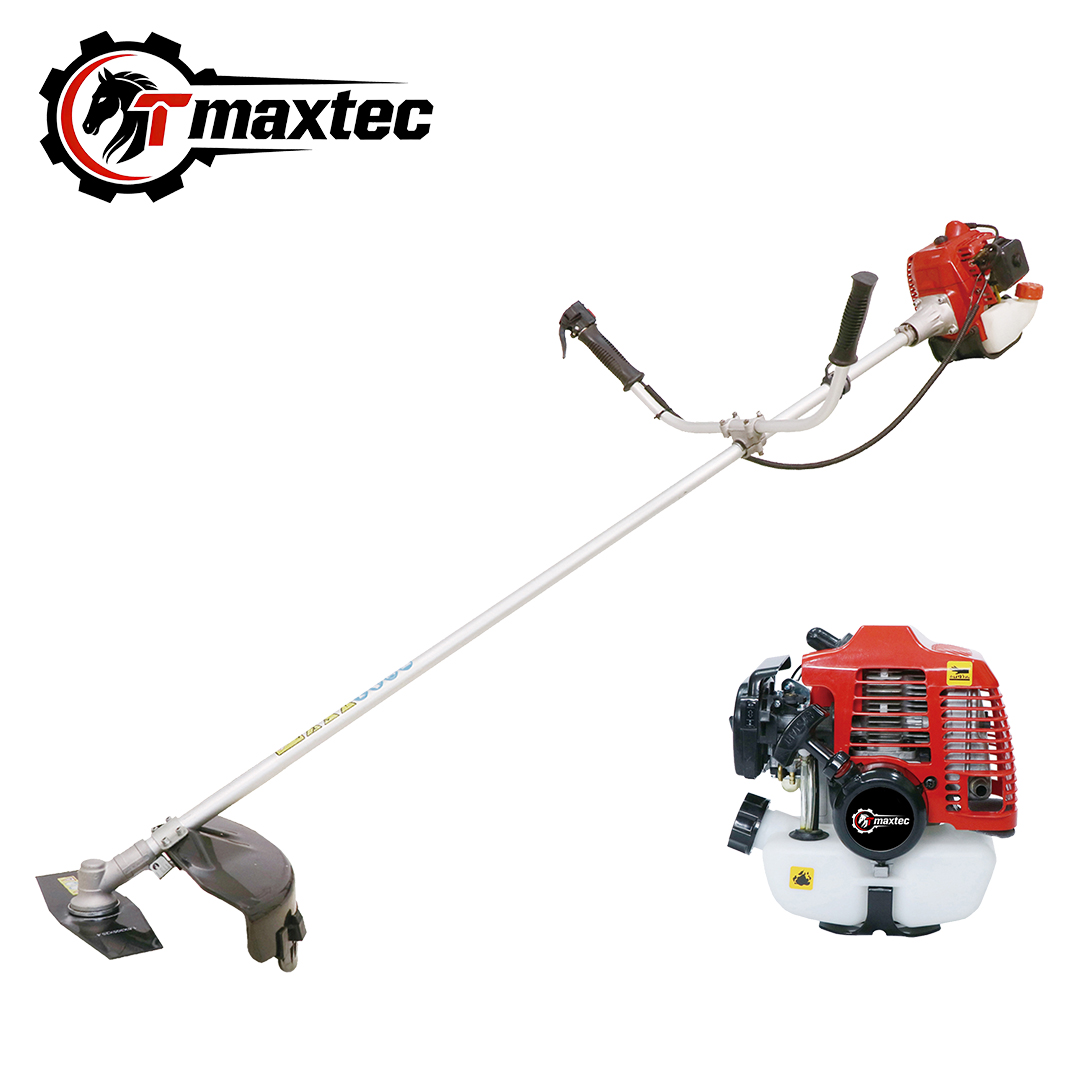
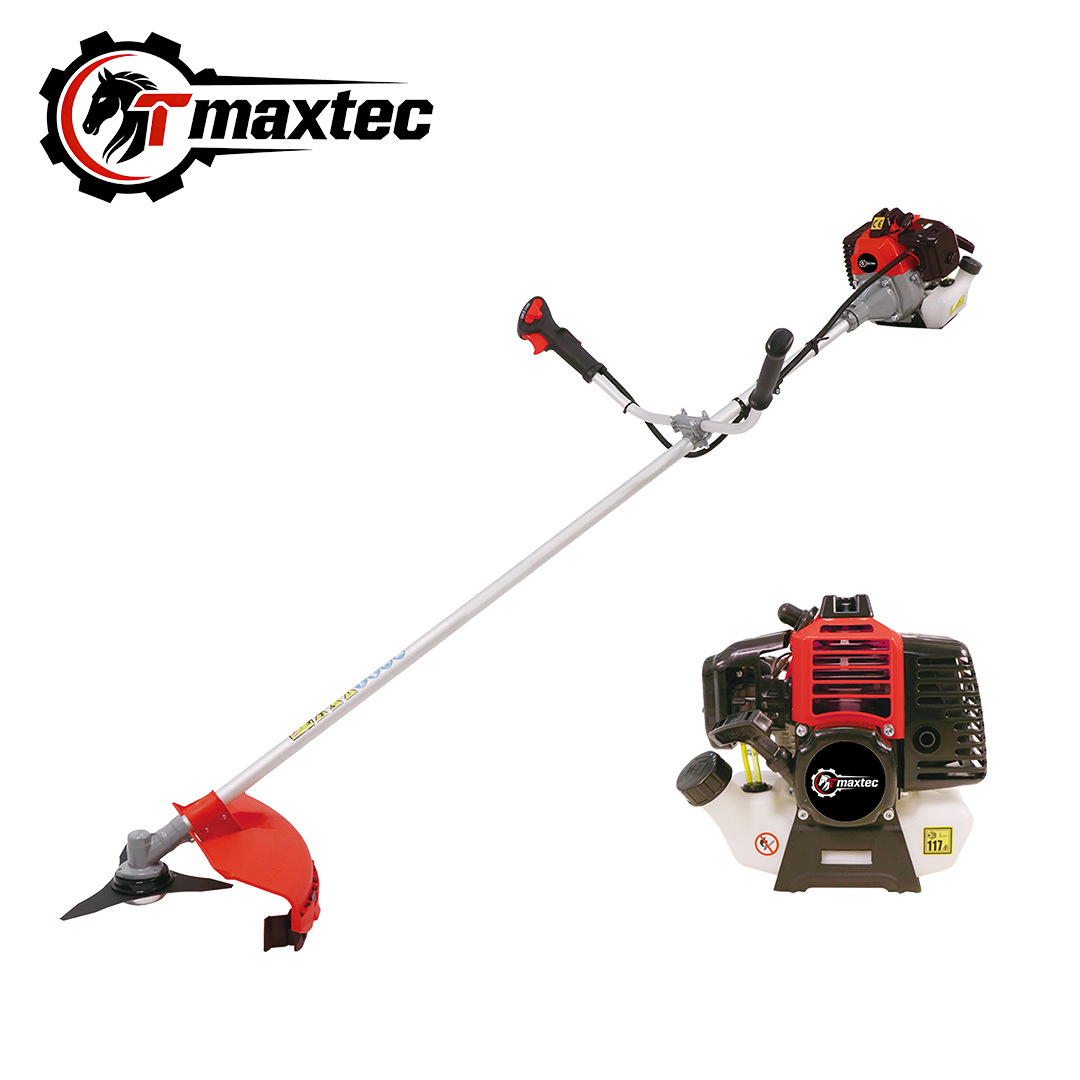
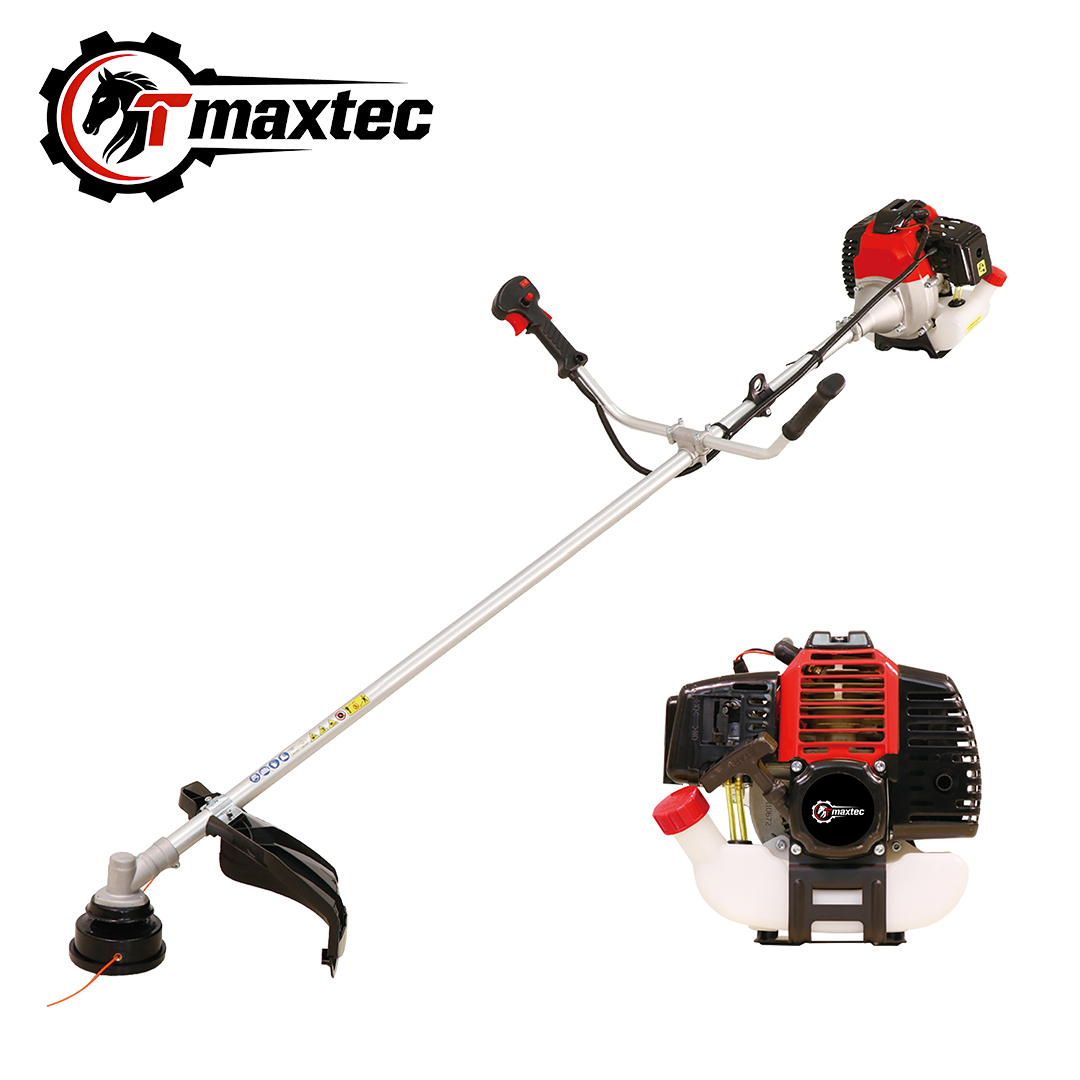
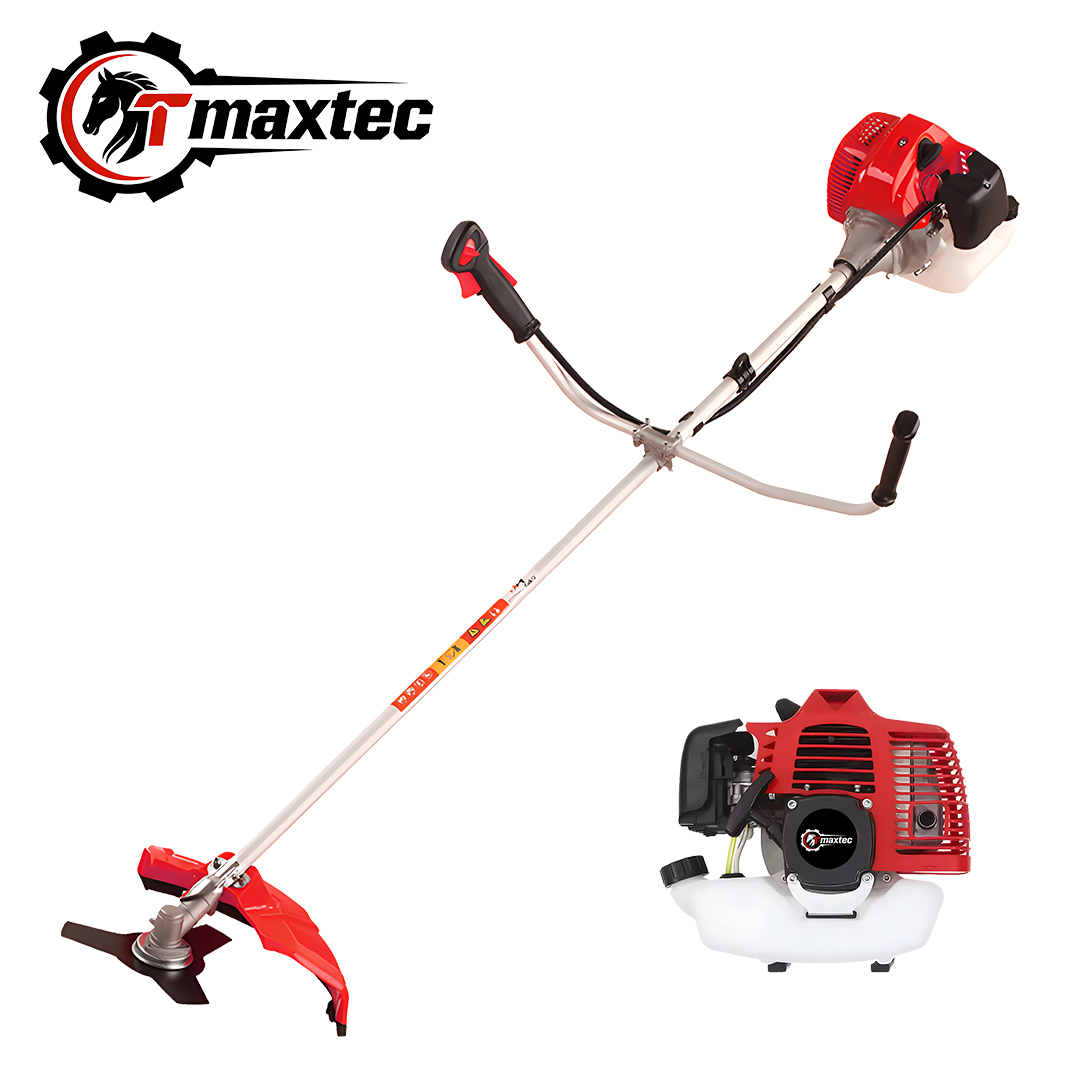
TM-BG143 Backpack Brush Cutter
A relevant model for dealers evaluating a backpack machine for farm-path maintenance or plot-clearing requirements. Its listed 1200ml tank and 41.5cc two-stroke engine provide a starting specification for discussing a representative demonstration.
Procurement focus: Request a quotation matching the demonstrated attachment package and discuss the work session your customers need to complete. The published page does not establish verified runtime per tank.
| Review the TM-BG143 Specifications |
The reference configuration specifies a 1:30 mixed-fuel ratio. Demonstrations and customer handover instructions must follow the requirements confirmed for the supplied engine. Changing the mixture to pursue longer runtime is not an acceptable operating strategy.
6. Complete this importer and dealer review before approving runtime wording
Use the following review to connect the supplier’s evidence with the product your shops will sell. Any unresolved item limits how specifically retail staff can describe working time.
- Confirm the ordered model, engine configuration and fuel-tank specification in the quotation.
- Identify the customer’s usual task and distance from a convenient refuelling point.
- Match the demonstration attachment to the quoted accessory package.
- Record the vegetation, moisture and ground conditions behind any runtime observation.
- Confirm how fuel quantity and consumption were measured.
- Separate productive cutting time from idling and pauses.
- Retain the test description and photographs with the observation.
- Check that fuel-mixture and filling instructions match the supplied engine.
- Keep brush cutter fuel tank capacity separate from unverified minutes-per-tank claims.
- Review catalogue wording again if the engine configuration or attachment package changes.
Where no measured result exists, retail staff can say: “This configuration has a listed 1200ml fuel tank; working time depends on the attachment, cutting load and operating pattern.” A documented observation can support a more specific answer when its conditions remain attached to the result.
7. Questions dealers receive about fuel capacity and working time
Does a larger brush cutter fuel tank capacity mean longer runtime?
Not by itself. Runtime also depends on fuel consumption under the actual workload. Compare machines using defined attachments, similar cutting conditions and a clear measurement method.
How long will the TM-BG143 run on its 1200ml tank?
The published reference specifications do not state a verified runtime per tank. Request a representative demonstration before quoting a fixed duration to customers.
Can dealers calculate fuel consumption from 41.5cc displacement?
No direct conversion establishes hourly consumption. Displacement identifies an engine characteristic; fuel use must be measured under stated operating conditions.
Can a nylon-head test support a runtime claim for a blade package?
It should not be assumed to do so. Changing the attachment changes the workload. Assess the approved configuration intended for sale.
What should an importer send with a runtime enquiry?
Provide the typical vegetation, expected attachment and normal work session. Ask for the proposed configuration, test method and quotation to be linked so the evidence describes the machine being purchased.
Discuss the work your dealers need to sell the machine for
Use brush cutter fuel tank capacity as a starting specification, then assess working time against the actual job. For a TM-BG143 enquiry, send Teamax your intended vegetation, attachment and expected work session. Request confirmation of the tank specification and discuss a representative demonstration alongside your bulk-order quotation.
| Ask About Available Configurations |