
Brush Cutter Power Ratings: How Should Buyers Compare Them?
Compare brush cutter power ratings in kW and HP, check rated speed and test conditions, and judge whether a higher figure justifies a different purchase price.
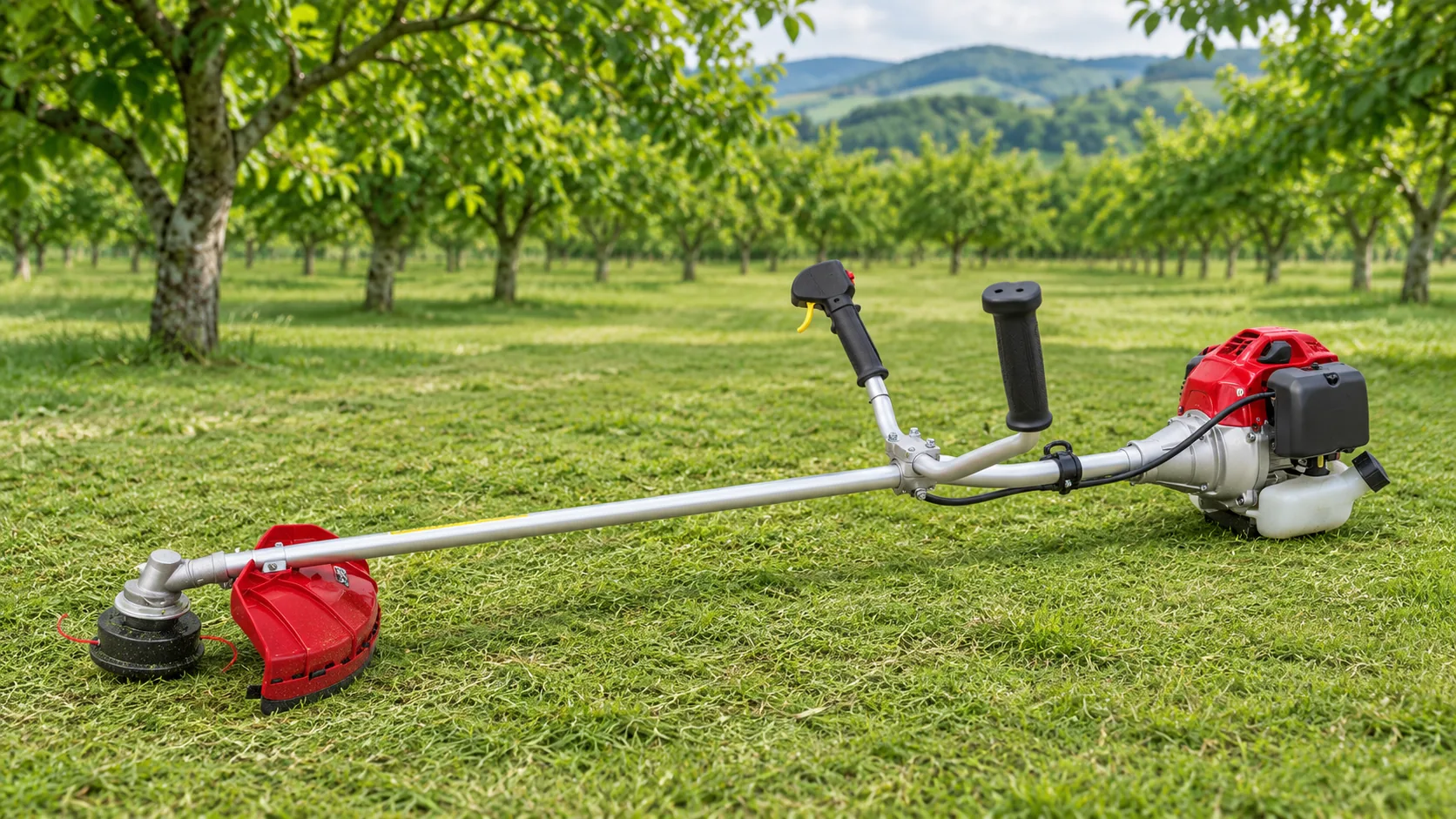
Brush Cutter Power Ratings: How Importers Should Compare kW, HP and Rated Output
Brush cutter power ratings are comparable only when the unit, rating basis and operating speed are clearly identified. A quotation showing more horsepower can look stronger at first glance, but the difference may come from unit conversion, rounding, rated-versus-maximum terminology or an incomplete specification rather than a meaningful change in engine output.
For importers supplying farm-equipment shops and garden-machinery dealers, this matters commercially. Sales teams need specifications they can explain without turning an unclear engine figure into a performance promise. Before paying more for a supposedly higher-output petrol brush cutter, establish what the number actually represents.
1. First Check Whether the Larger Number Is Only a Different Unit
A quotation stating 1.8kW can appear weaker beside one stating 2.4HP. Using mechanical horsepower, however, 1.8kW is approximately 2.41hp. After conversion and normal rounding, those figures may describe essentially the same power level.
| Quoted Figure | Converted Reference | What the Buyer Can Conclude |
| 1.8kW | Approx. 2.41 mechanical hp | Useful for unit comparison only |
| 2.4HP | Approx. 1.79kW | May be essentially the same power level after rounding |
| HP or PS without clarification | Requires unit confirmation | Do not rank the offer until the basis is clear |
The useful conversion is approximately 1kW = 1.341 mechanical hp. Keep the supplier's original number next to the converted value so purchasing staff can distinguish a published specification from an internal calculation.
Also establish what “HP” means in the quotation. Mechanical horsepower and metric horsepower, often written as PS, are slightly different units. That can explain a small numerical difference, but not a large unexplained gap between otherwise similar offers.
A conversion checks arithmetic. It does not verify that an engine actually produces the stated output.
2. Keep Engine Speed Attached to the Power Rating
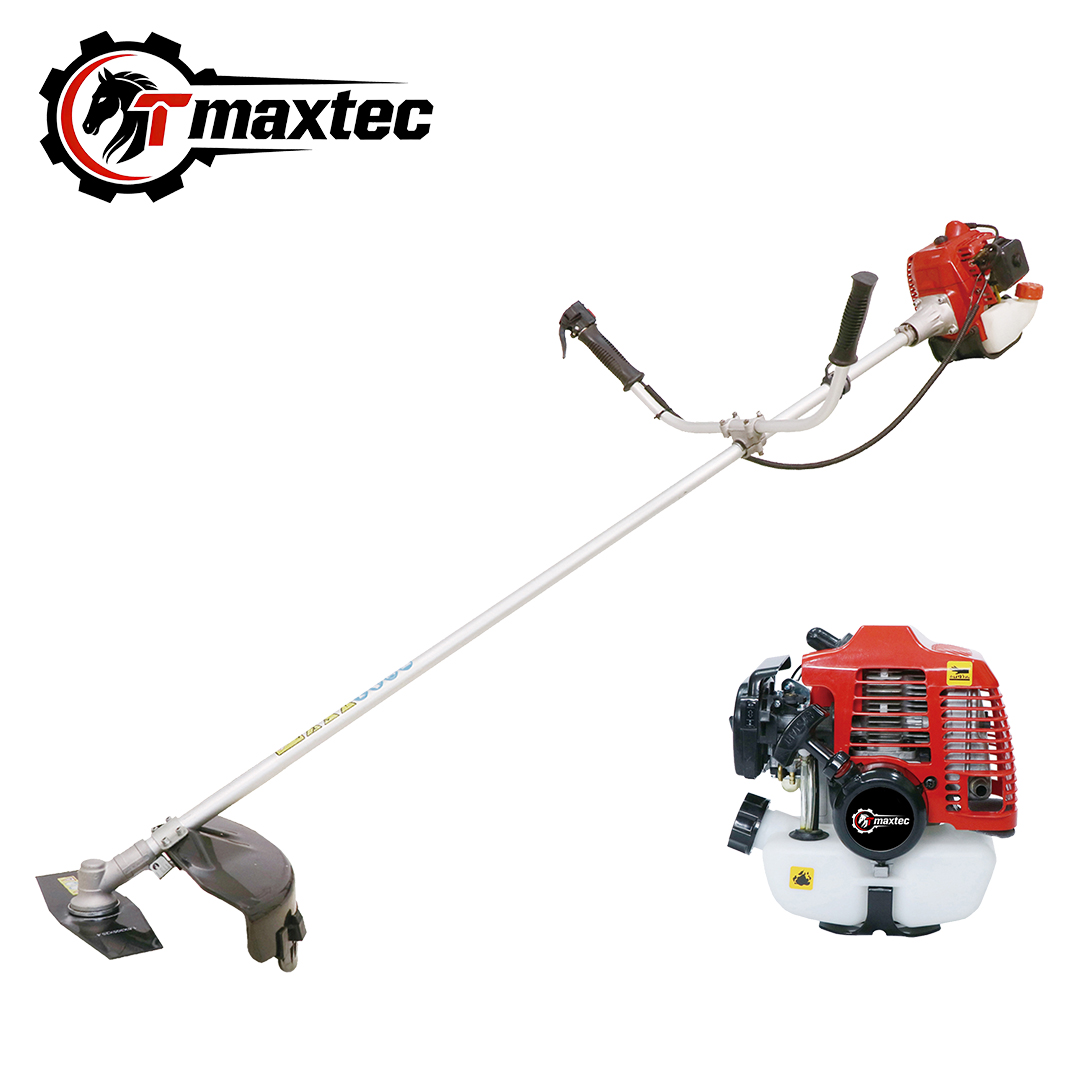
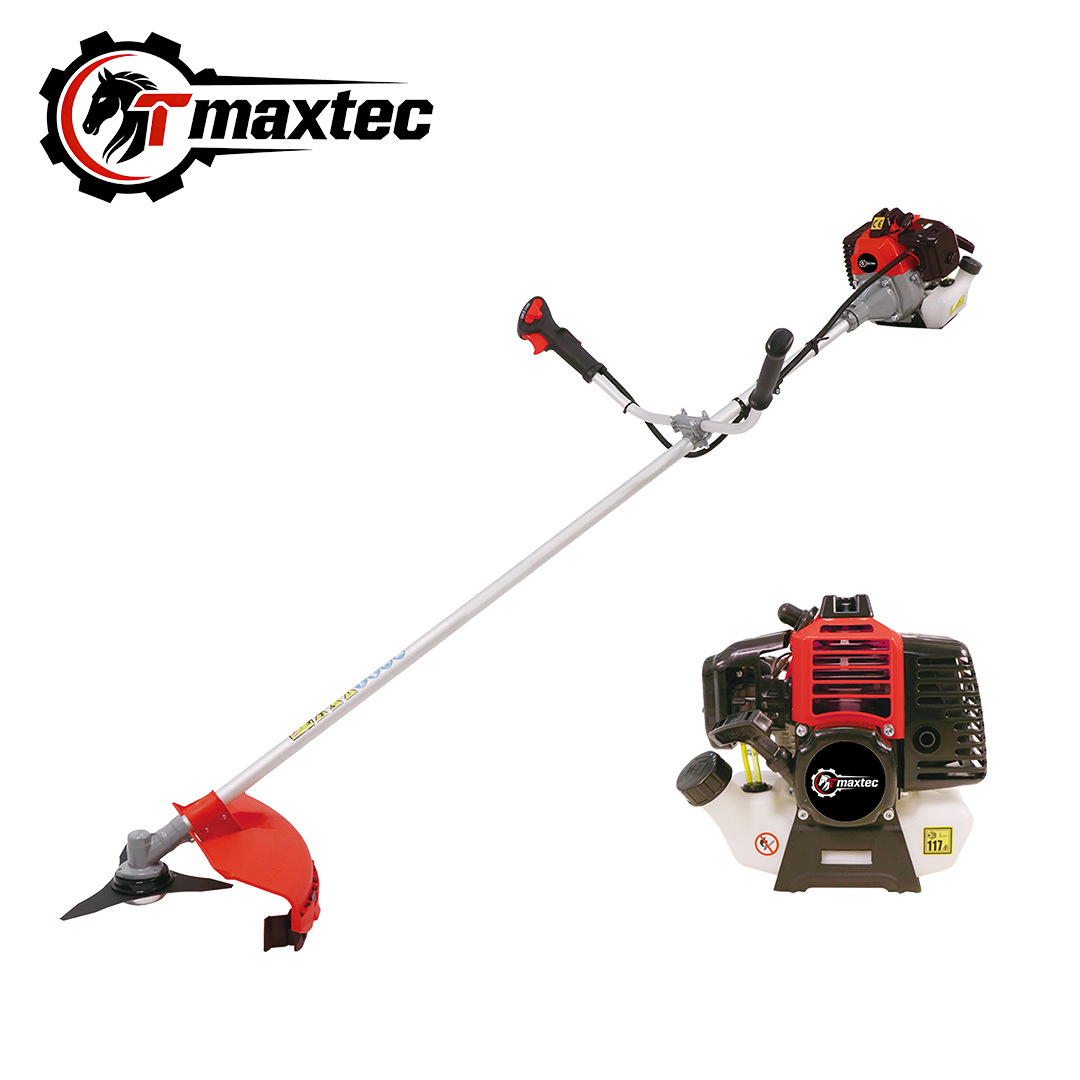
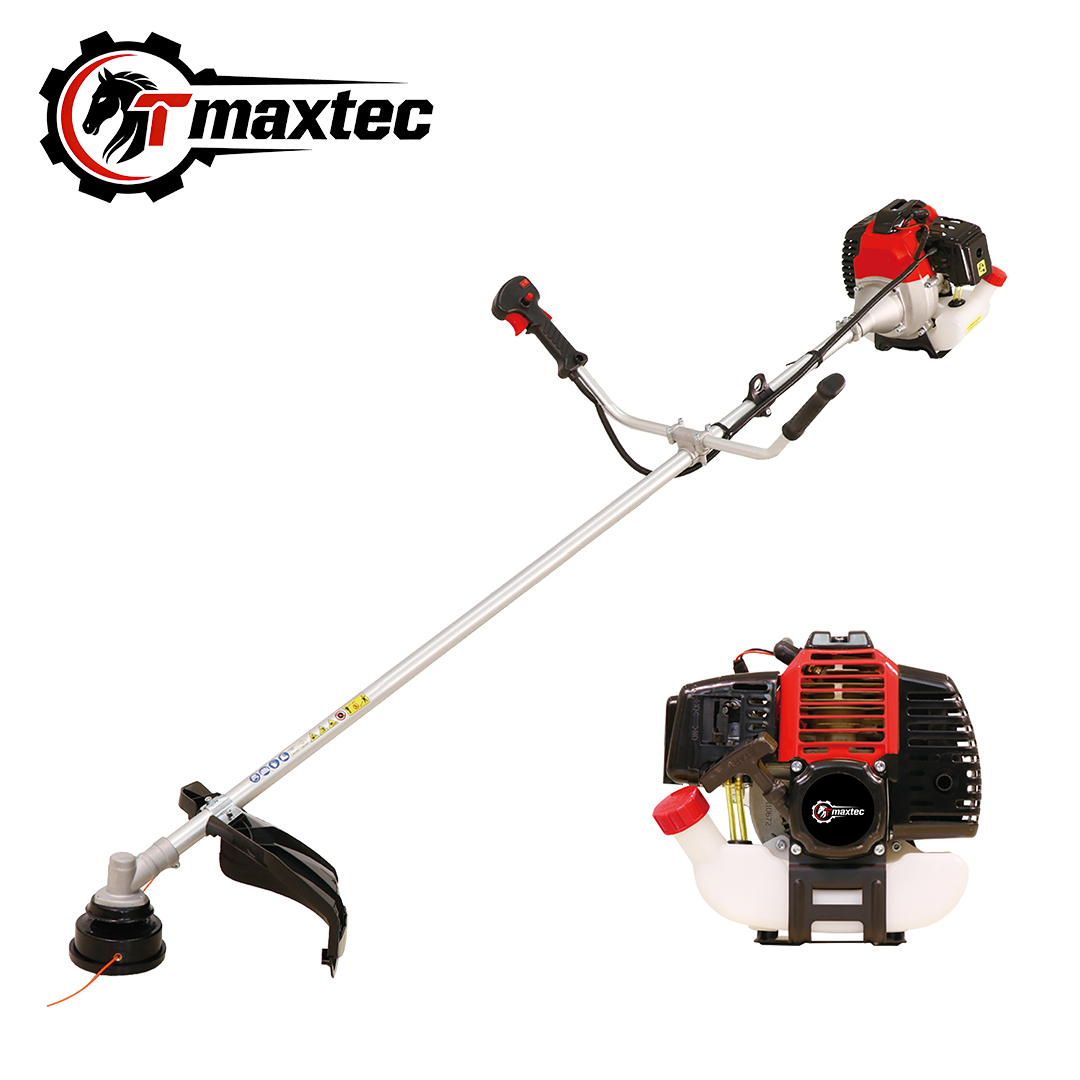
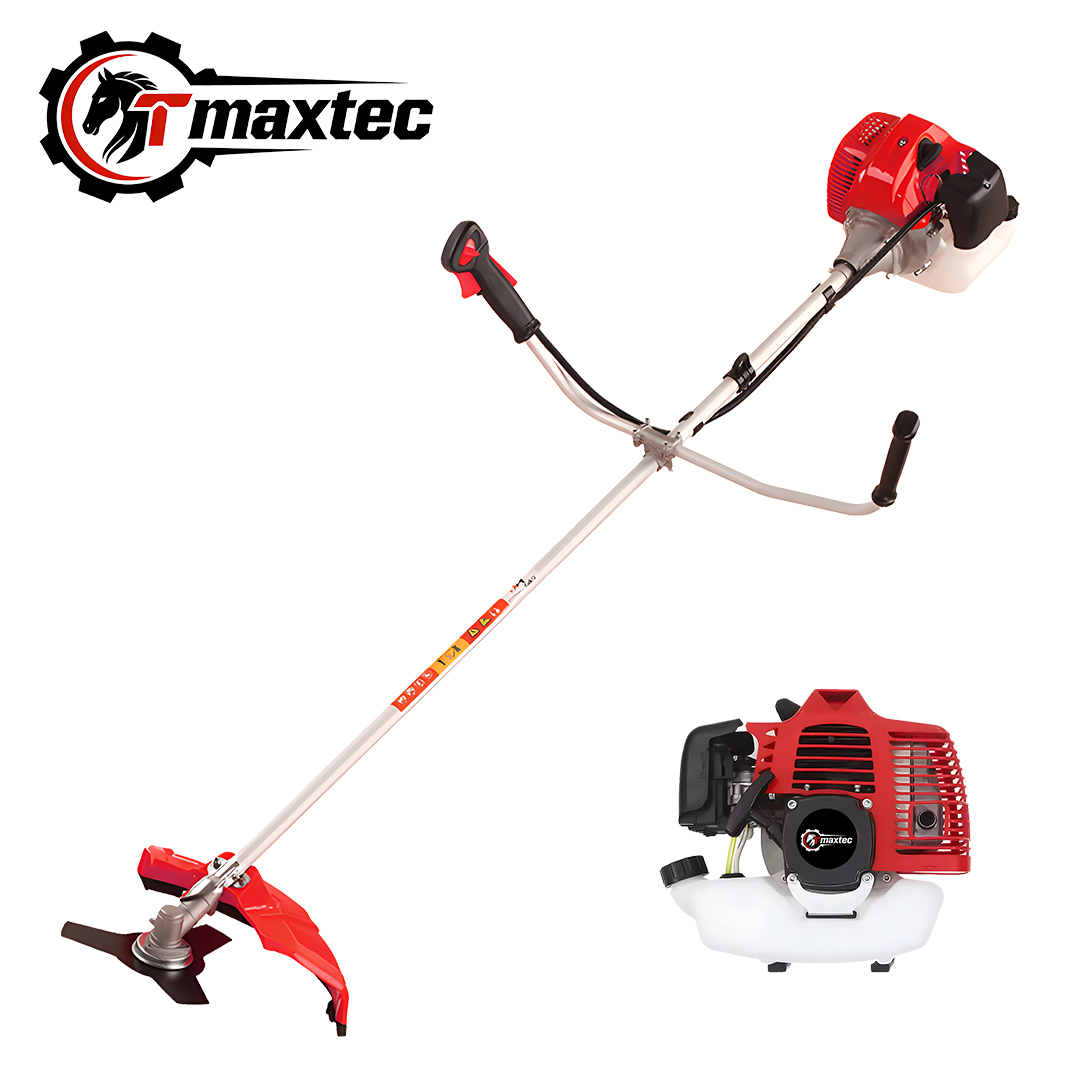
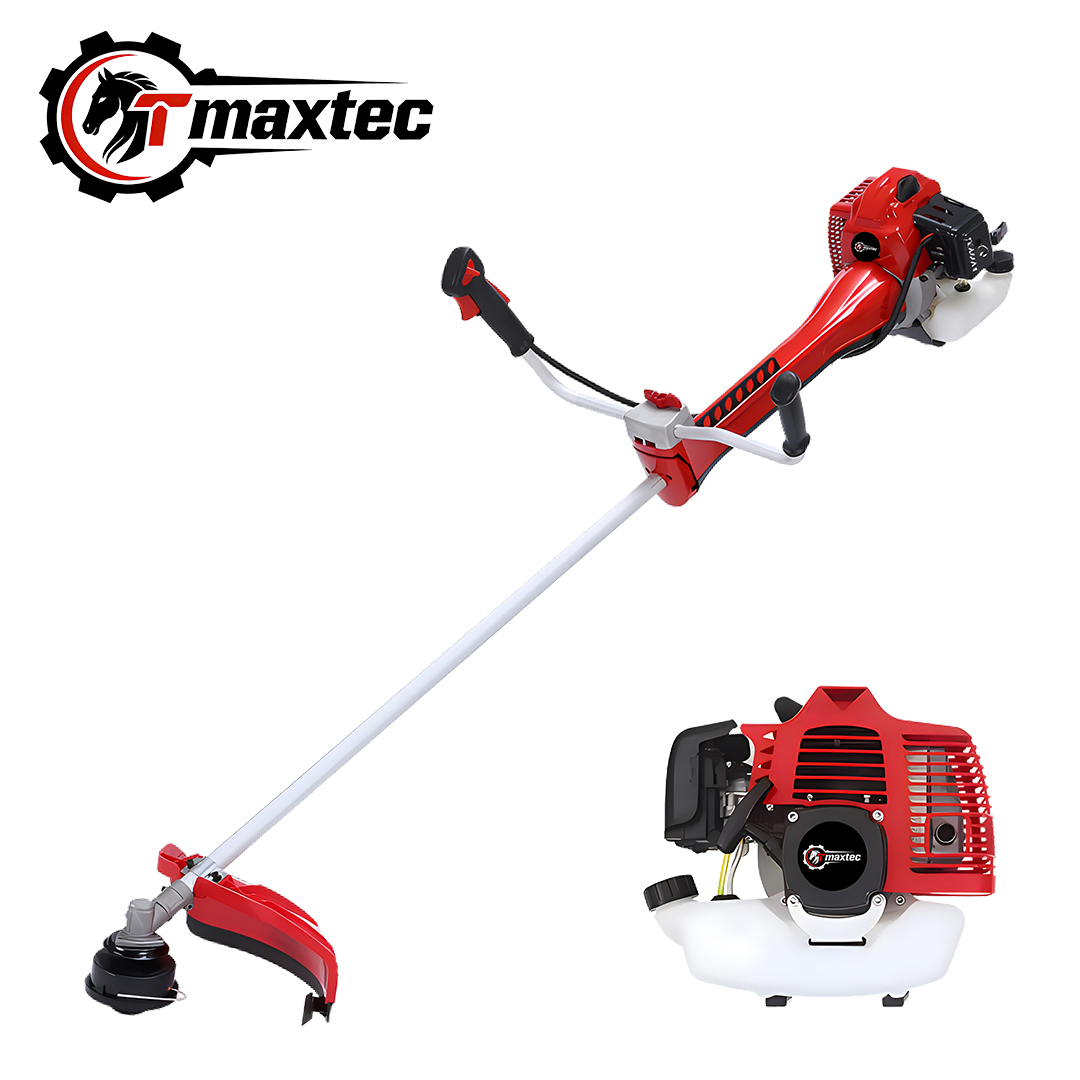
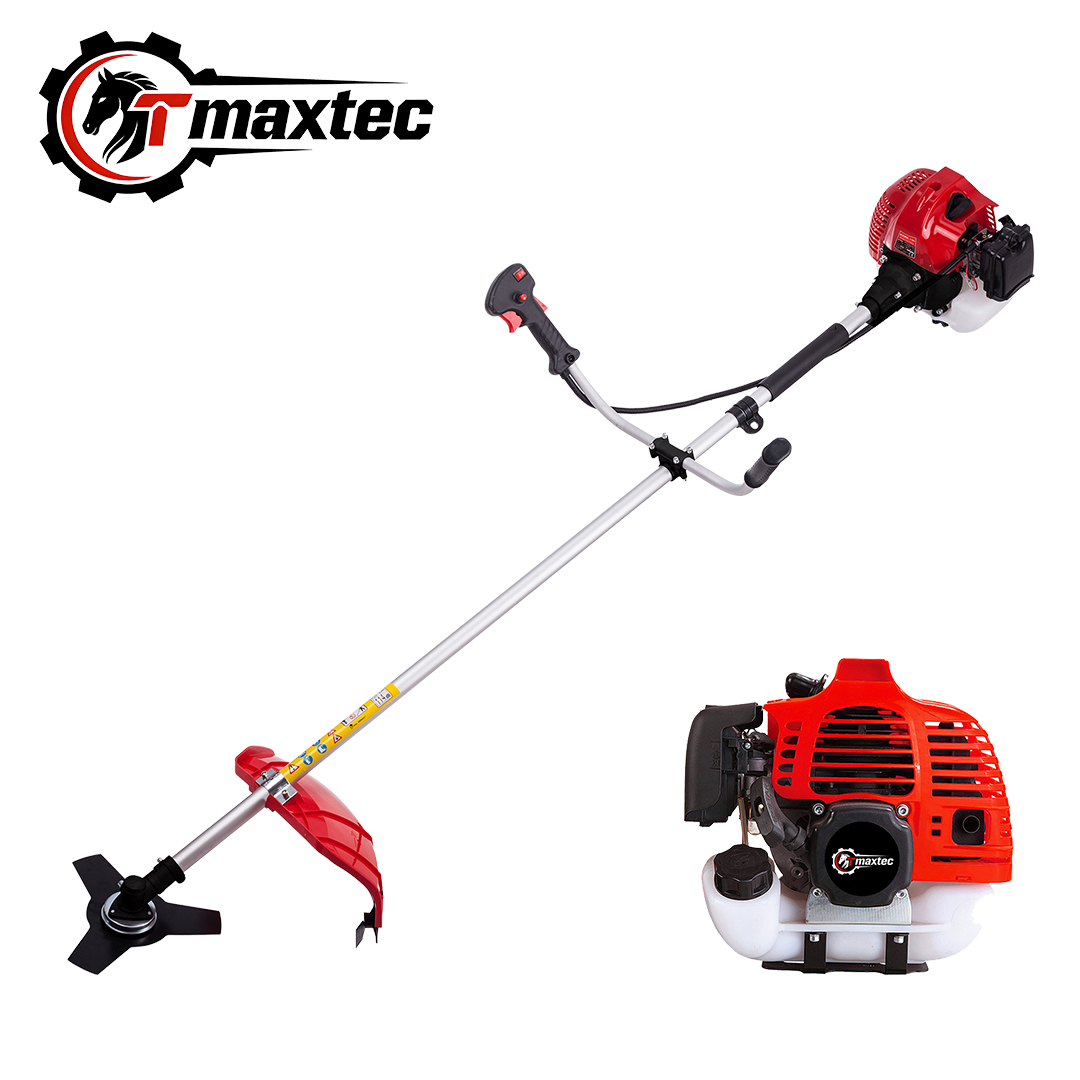
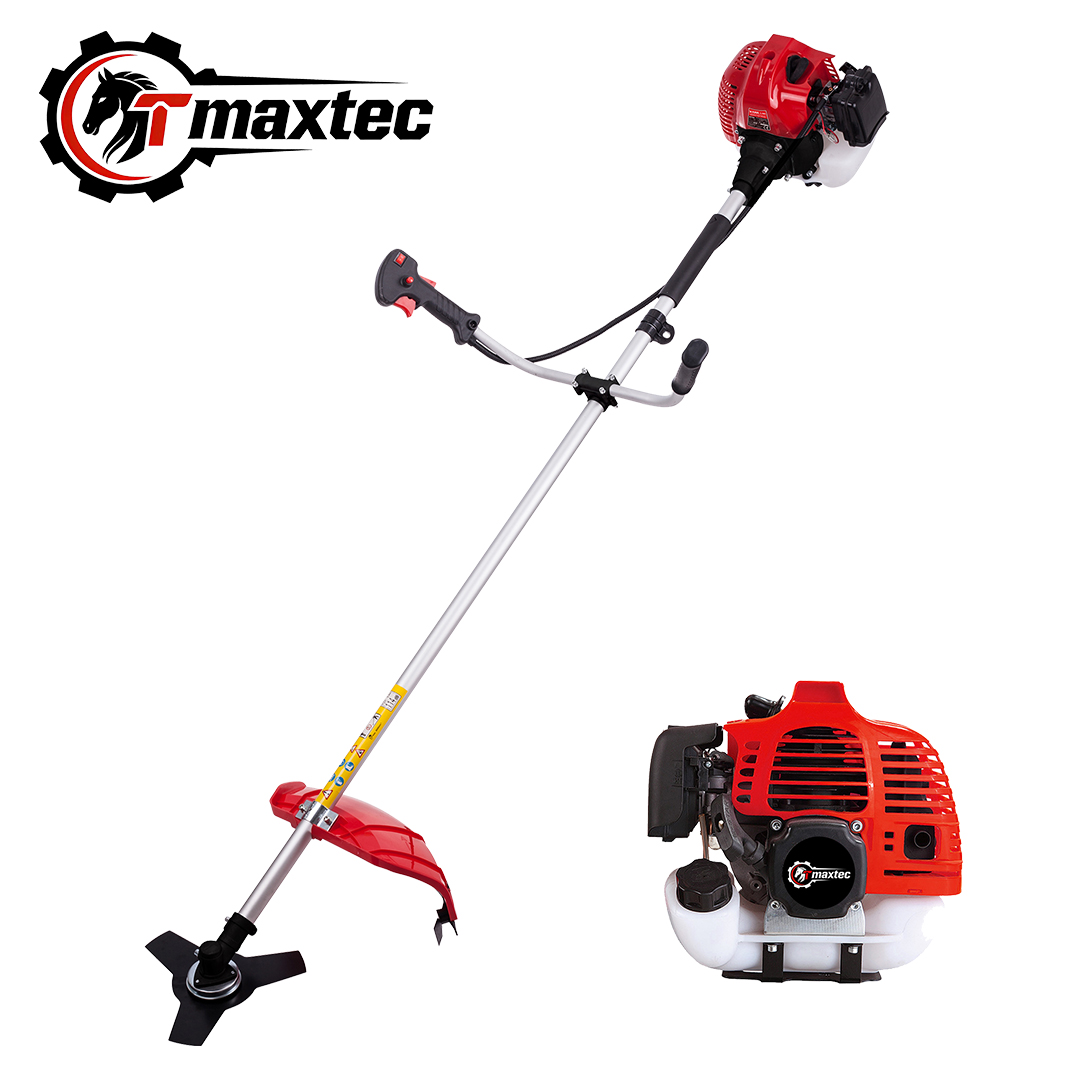
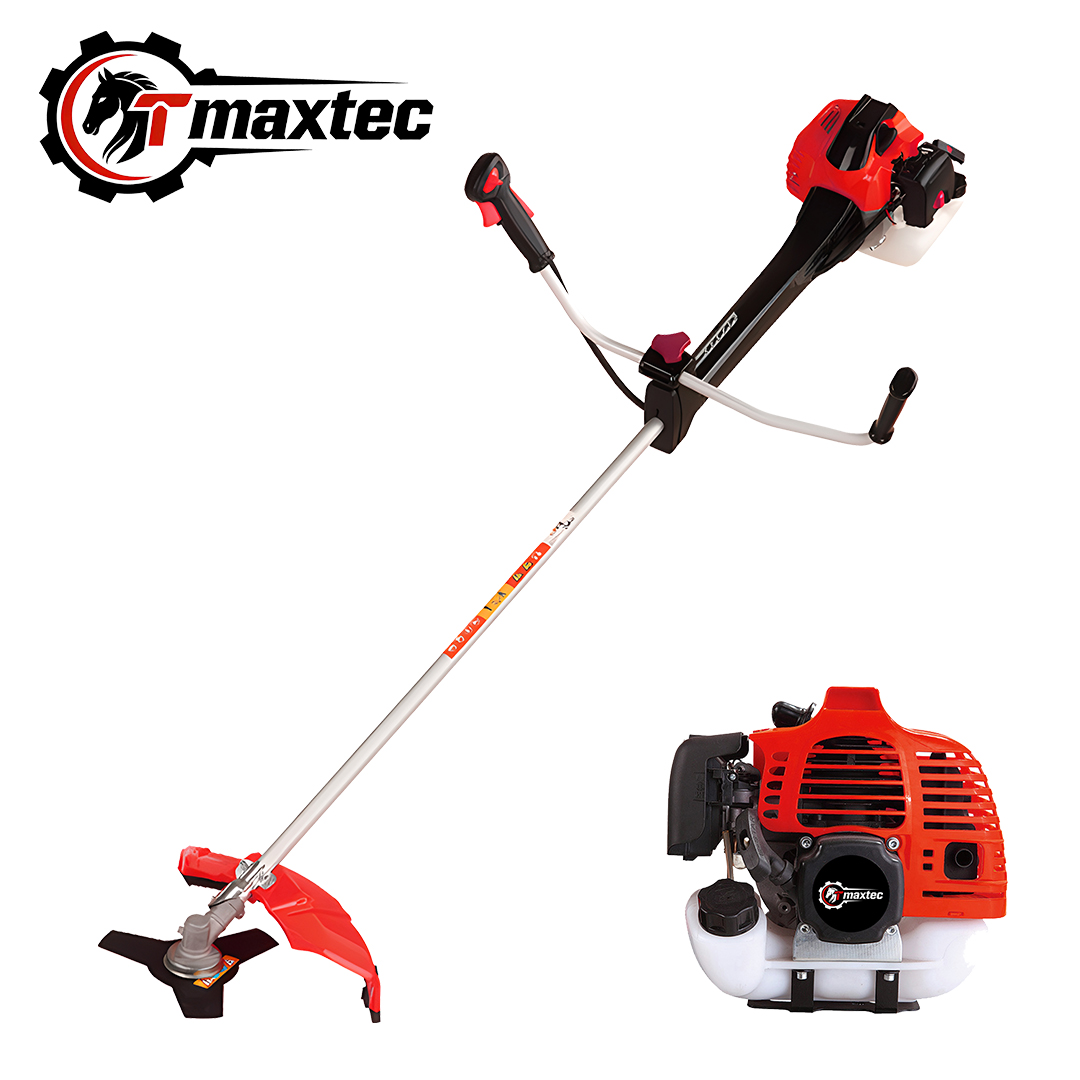
The TM-CG520TU gasoline brush cutter lists a TU52 engine, 51.7cc displacement and rated output of 1.8kW at 6500rpm. That is more useful to a buyer than an isolated “1.8kW” claim because the output is tied to a stated engine speed.
Engine output changes across the operating range. A figure stated at 6500rpm should not be interpreted as output available at every throttle position. Likewise, a higher quoted engine speed does not automatically mean a brush cutter will be more suitable for the vegetation your customers normally cut.
Important distinction: the listed 6500rpm is the engine speed associated with the rated output. It should not be copied into dealer material as the cutting-head speed. Attachment speed depends on the actual drive configuration.
If a competing quotation omits the rpm associated with its power claim, leave the comparison field unresolved. Using a speed from another machine only hides the missing information.
3. Rated Power and Maximum Power Should Not Be Mixed
Brush cutter suppliers may describe engine output as rated power, maximum power or simply power. Those labels do not establish that two values were obtained on the same basis. A maximum-output claim should therefore not be placed directly beside another supplier's rated-output figure and treated as a like-for-like comparison.
| Quotation wording | Purchasing action |
| Rated output | Record output together with the associated rpm and engine reference. |
| Maximum output | Do not compare directly with a rated figure until the rating basis is understood. |
| Power | Request clarification before treating the number as a buying advantage. |
Ask what the quoted value represents and whether technical documentation is available for the proposed engine. If a test method or standard is cited, request its identification and the relevant conditions. Documentation for another engine version does not automatically substantiate the configuration being ordered.
The commercial point is simple: when one quotation carries a price premium because of a claimed power advantage, that advantage needs a clear basis before the importer pays for it.
4. Do Not Use 52cc Displacement as Proof of Horsepower
Displacement measures engine capacity; it is not a power unit. Two petrol brush cutters in the same nominal displacement category can have different output characteristics, and two different horsepower claims do not prove that the engines are physically different.
For the TM-CG520TU, the published 51.7cc displacement helps identify the engine size under discussion. It cannot be used to calculate the stated 1.8kW output or independently confirm another horsepower figure.
| Specification | TM-CG520TU Reference | How to Use It |
| Engine | TU52 | Identify the proposed engine configuration. |
| Displacement | 51.7cc | Keep separate from the power field. |
| Rated output | 1.8kW at 6500rpm | Use as the current output-and-speed reference for comparison. |
Avoid rules such as “every 52cc brush cutter should produce the same horsepower.” If an unusually high number appears in a quotation, ask for the rating basis instead of accepting it automatically or rejecting it only because of displacement.
5. Build the Quotation Sheet to Expose Missing Evidence
A useful procurement sheet separates supplier statements from buyer calculations. That prevents converted figures, assumed speeds and copied catalogue data from becoming supposed manufacturer specifications.
For the CG520TU, begin with the published 1.8kW at 6500rpm and ask Teamax to confirm the final rating for the proposed order. Reference values should enter the commercial quotation only after confirming that they apply to the configuration being purchased.
6. Decide Whether the Claimed Power Difference Has Dealer Value
Once competing brush cutter power ratings are on a comparable basis, the next question is whether the difference matters in the target market. A dealer serving contractors who regularly cut dense vegetation may ask different questions from a shop selling machines mainly for routine grass trimming.
| Potentially Worth Investigating | Not Enough on Its Own |
|
|
A representative cutting demonstration can help assess application suitability, but it is not a direct measurement of engine kW. Record the approved attachment and vegetation so the test has context. A free-revving video does not establish rated output, while an aggressive demonstration using an oversized or unapproved attachment can create a different problem rather than answering the specification question.
7. TM-CG520TU as a Reference Model for a 52cc Brush Cutter Comparison
For a purchasing enquiry, send the competing power figure you need to compare and describe the normal cutting work in your market. The useful reply is not simply another larger number; it is confirmation of the rating basis that applies to the proposed TU52 configuration.
Brush Cutter Power Rating FAQ
Is 1.8kW the same as 2.4HP on a brush cutter?
Approximately. Using mechanical horsepower, 1.8kW converts to about 2.41hp. Allowing for rounding, a 1.8kW specification and a 2.4HP specification may represent essentially the same stated power level.
Does a higher HP number mean a brush cutter will cut faster?
Not by itself. The unit, rating basis, engine rpm and actual machine configuration all matter. Cutting suitability also depends on the attachment and working conditions, so the largest number in a quotation is not enough to predict field performance.
Can an importer estimate brush cutter horsepower from engine cc?
No. Engine displacement and power are different specifications. A 51.7cc or nominal 52cc displacement figure identifies engine capacity but cannot independently establish a particular kW or horsepower output.
What should I request if a supplier only writes “2.4HP”?
Ask whether the figure is rated or maximum output, what horsepower unit is being used, the engine speed associated with the figure and which engine reference the specification covers. Those answers make the quotation more useful for supplier comparison.
Is the 6500rpm on the TM-CG520TU the cutting-head speed?
No. The published 6500rpm is the engine speed associated with its 1.8kW rated output. It should not be presented as cutting-head speed because attachment speed depends on the drive configuration.
What is the safest way to compare brush cutter power ratings for a bulk order?
Keep each supplier's original figure, convert the units separately, record rpm and rating type, verify the engine reference and highlight missing information. Only after those fields are aligned should a claimed power advantage influence model selection or wholesale pricing.
Compare Your 52cc Brush Cutter Specification Before OrderingIf you are comparing brush cutter power ratings from several suppliers, use the TM-CG520TU's 51.7cc TU52 engine and 1.8kW at 6500rpm as a clearly stated reference. Send the competing kW or HP claim together with your required configuration so the rating basis can be checked before a wholesale order is finalized. |
|