
Brush Cutter Trial Orders: How to Test Demand Before Importing
Plan a brush cutter trial order around dealer commitments, test retail sell-through, and use the results to decide what to reorder before buying at scale.
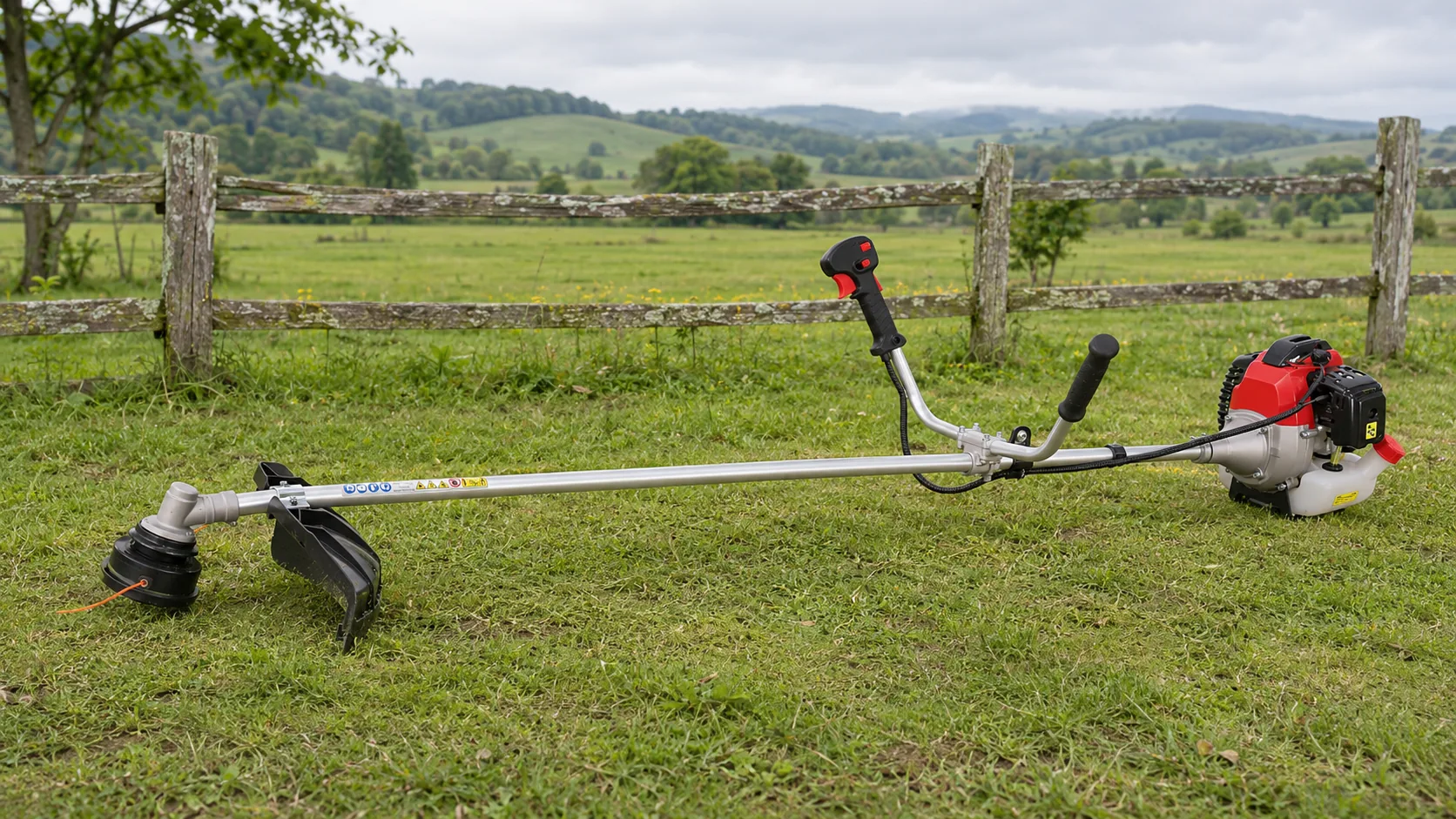
Brush Cutter Trial Order: How Importers Should Set Quantities and Measure Dealer Sell-Through
A brush cutter trial order should be based on confirmed dealer demand at an agreed selling price, not simply on how many machines distributors are willing to receive. For importers entering a new market or introducing another model, the first shipment needs to establish whether retailers can convert stock into actual customer sales.
The distinction matters when planning wholesale quantities. Dealer commitments, demonstration machines, retail sales and expressions of interest represent different stages of demand. Recording them separately gives importers a more useful basis for deciding the next purchase quantity and avoiding unnecessary inventory.
TRIAL ORDER DECISION
Quick answer: Calculate a brush cutter trial order from the quantities participating dealers will accept at a stated price, then add any machines reserved for demonstrations. Keep confirmed orders separate from expressions of interest. After stock reaches the retail outlets, measure actual end-customer sales, returns and remaining inventory over an agreed review period. Use the results, together with selling prices and service requests, to decide whether a larger wholesale order is justified.
1. Establish Dealer Commitments at a Fixed Selling Price
Before calculating a brush cutter trial order, present each participating dealer with the proposed machine and the wholesale price you expect to offer. Ask how many units the outlet will actually take under those terms.
The expected retail price is equally relevant. A farm equipment shop supplying seasonal field crews may have different purchasing patterns from a garden machinery retailer whose customers mainly maintain lawns and small residential properties.
Record the following information for every participating outlet:
| Information | What to establish |
| Dealer quantity | Number of machines the retailer agrees to take. |
| Wholesale price | The actual supply price attached to that quantity. |
| Retail price | Expected selling price to the end customer. |
| Sales timing | When the dealer expects to receive and sell the machines. |
| Purchase conditions | Any quantity discount, credit request or other condition attached to the commitment. |
| Demonstration requirement | Number of machines retained for display or field demonstrations. |
Do not combine a confirmed purchase quantity with a statement such as "we may need more next month." Keep expressions of interest in a separate record. If a retailer can accept additional units only after a price reduction or longer credit period, document that condition rather than treating the extra quantity as firm demand.
2. Calculate the Trial Allocation Without Counting Display Stock as Sales Inventory
A demonstration machine has a different purpose from a machine intended for immediate retail sale. Some dealers need an assembled unit for customers to inspect, while others may use one for supervised field demonstrations.
Include these units in the purchase plan, but identify them separately from the dealer's saleable inventory.
TRIAL QUANTITY CALCULATION
Trial allocation = Confirmed dealer quantities + Demonstration units
Keep unconfirmed interest outside the committed quantity. Any additional stock should have a separate commercial reason and should not be presented as confirmed retail demand.
For example, if participating dealers agree to take 24 machines and you plan to retain two additional units for demonstrations, the initial allocation is 26 machines.
The 24 dealer units represent the planned retail stock allocation. The two demonstration units should remain identifiable in the inventory record. This prevents display stock from being counted as available merchandise or its transfer to a dealer from being mistaken for a completed customer sale.
Also confirm whether each dealer wants a fully assembled display machine or a packaged demonstration unit. The arrangement can affect how the retailer prepares the machine and how its stock is recorded.
3. Match the Brush Cutter Trial Model to the Dealer's Customer Base
Introducing several brush cutter models at once can make the trial harder to interpret. Start with the applications already represented in the dealer's customer enquiries, then select a model whose listed uses correspond to those requirements.
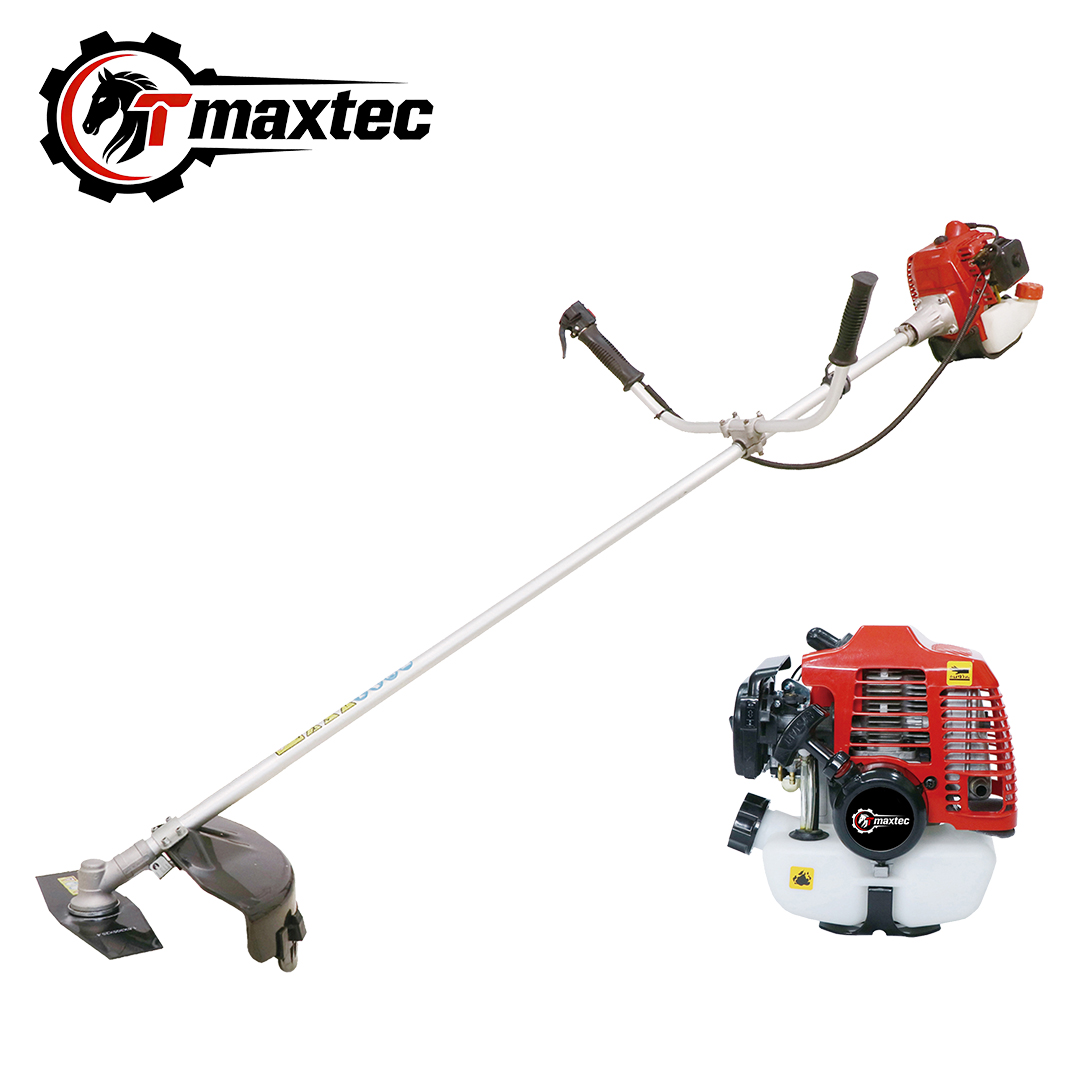
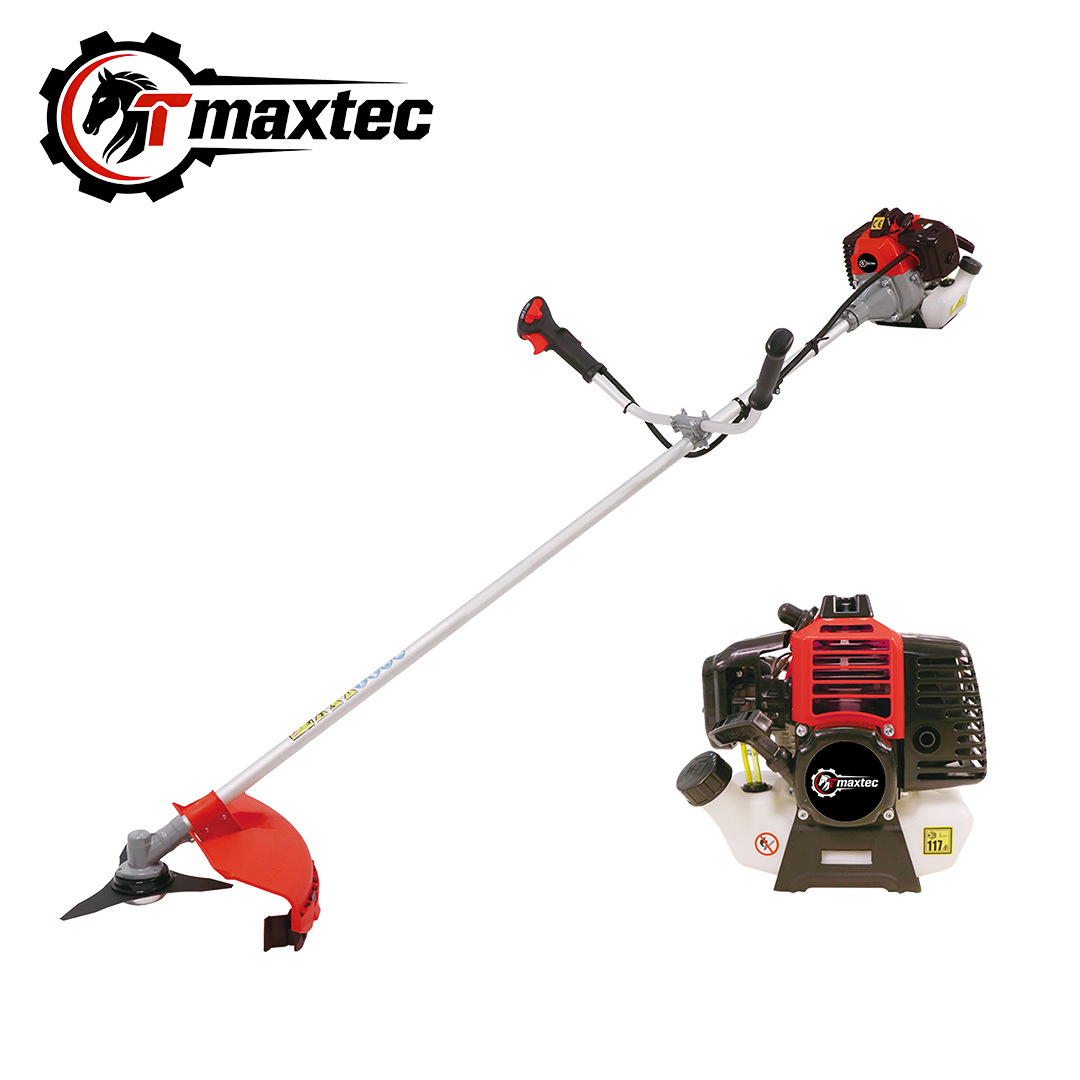
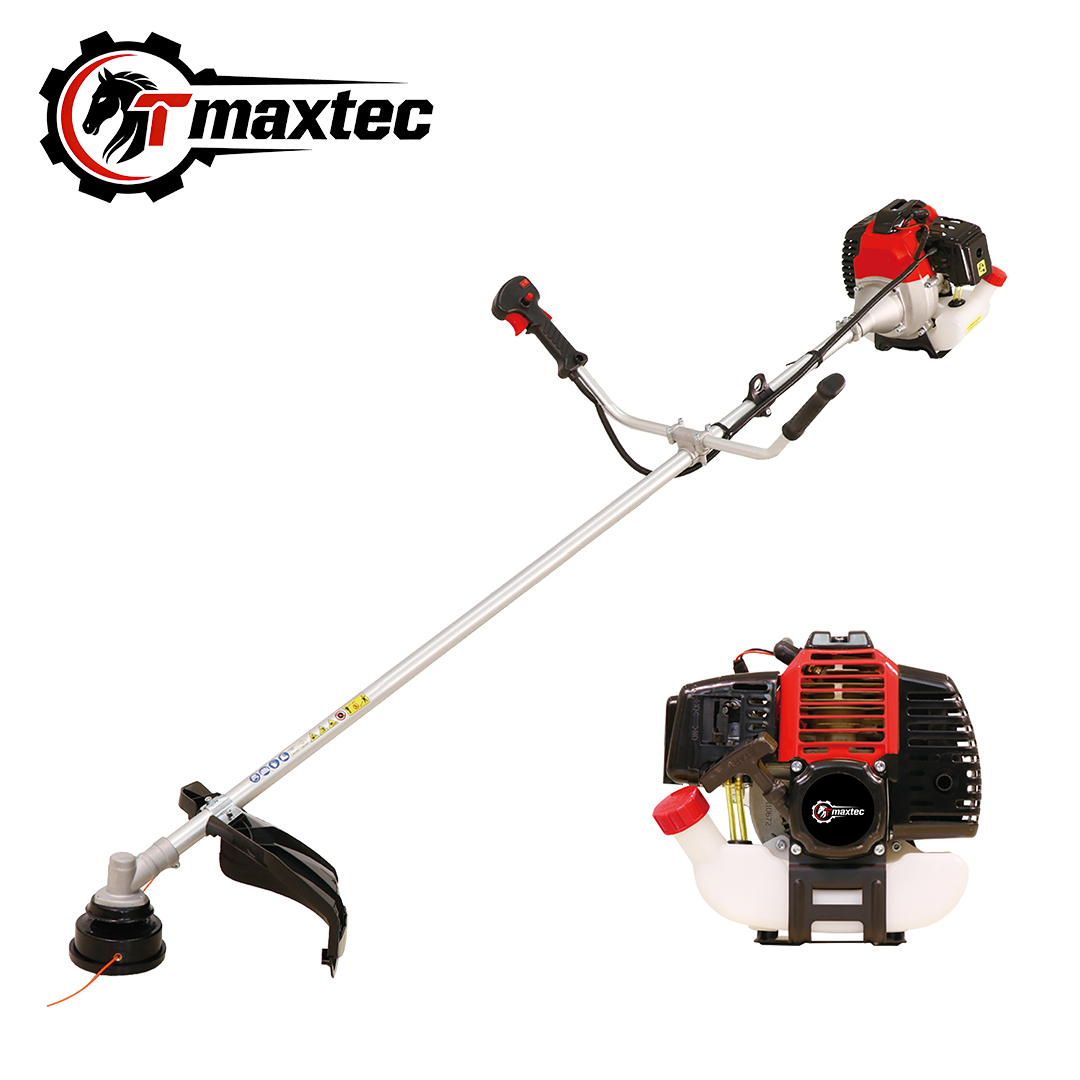
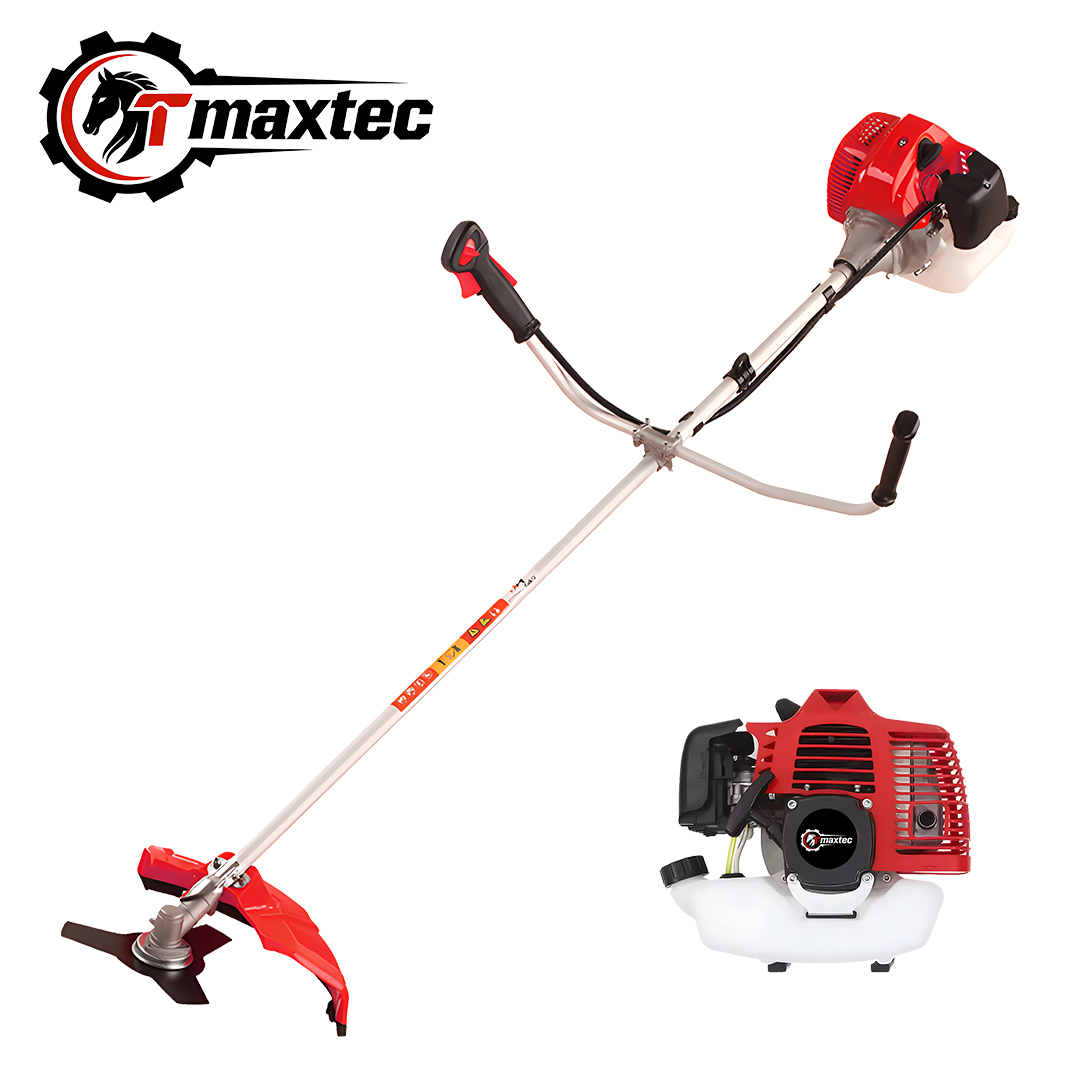
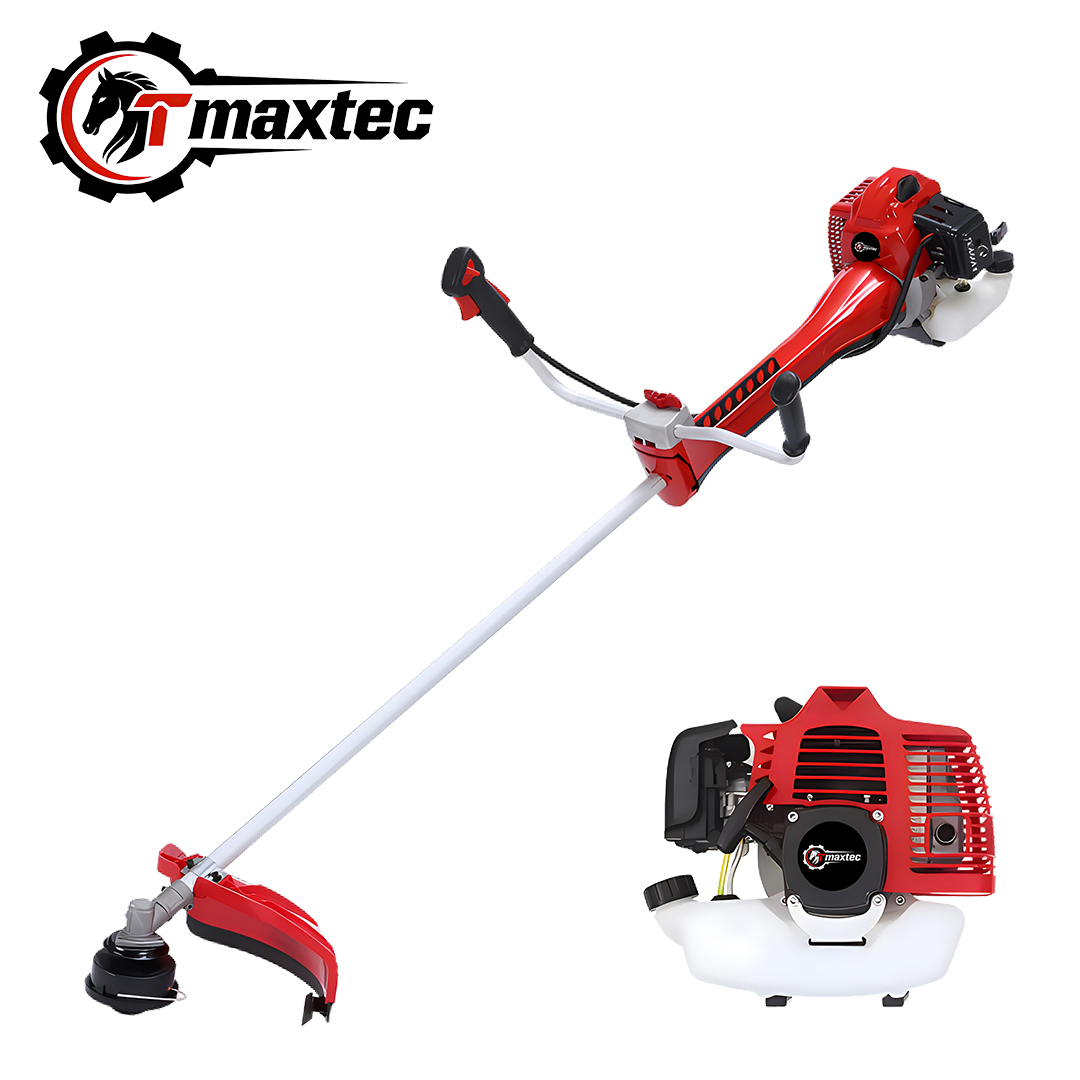
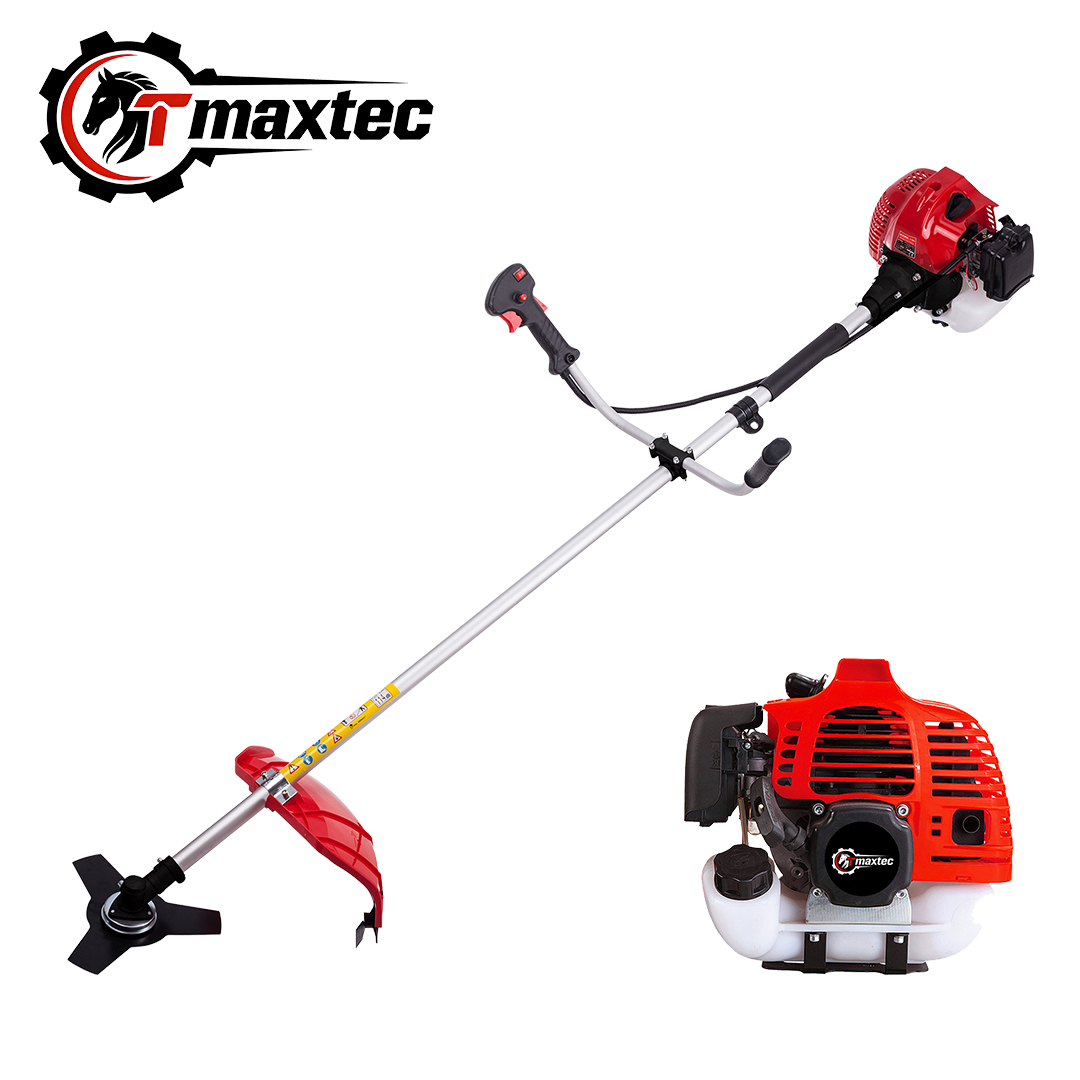
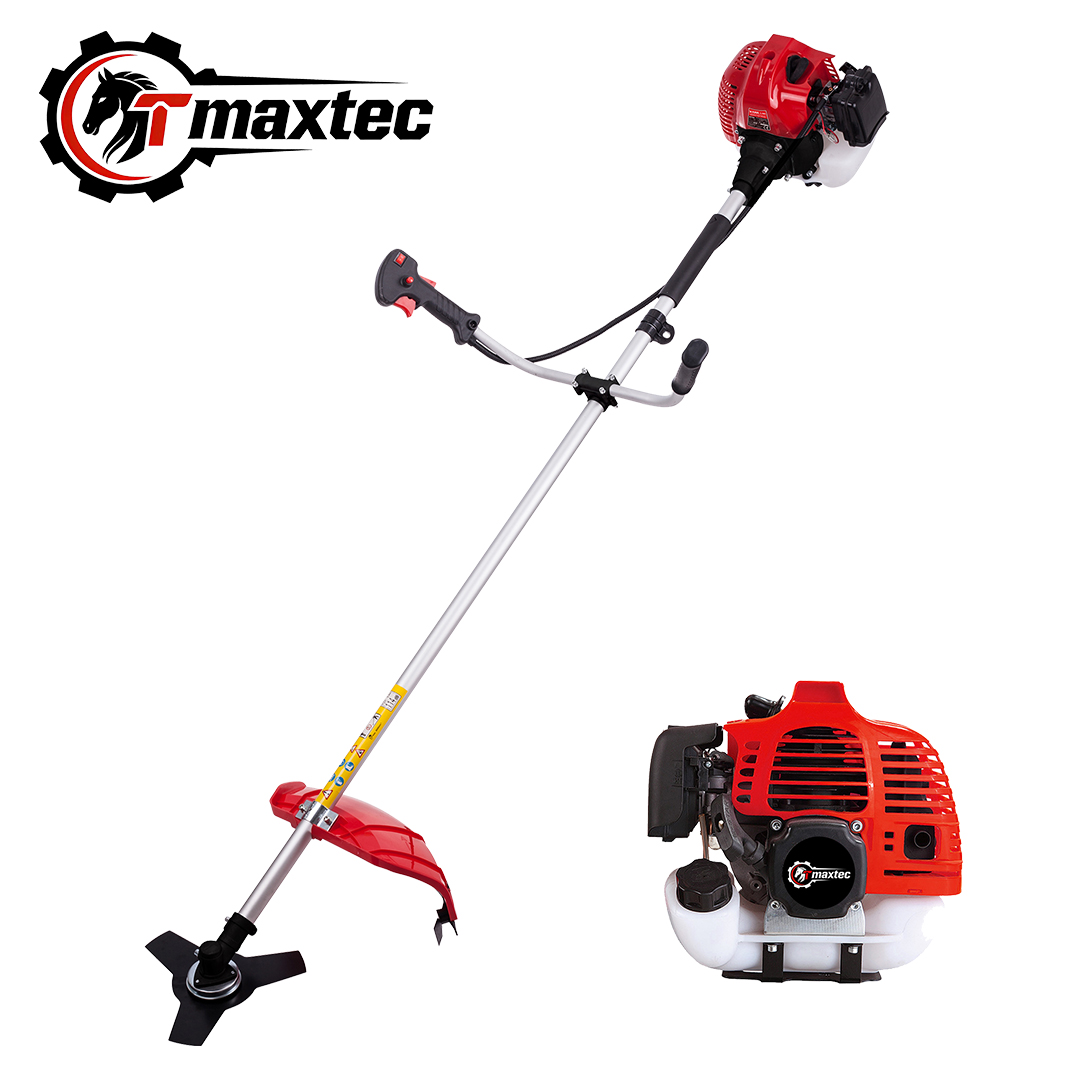
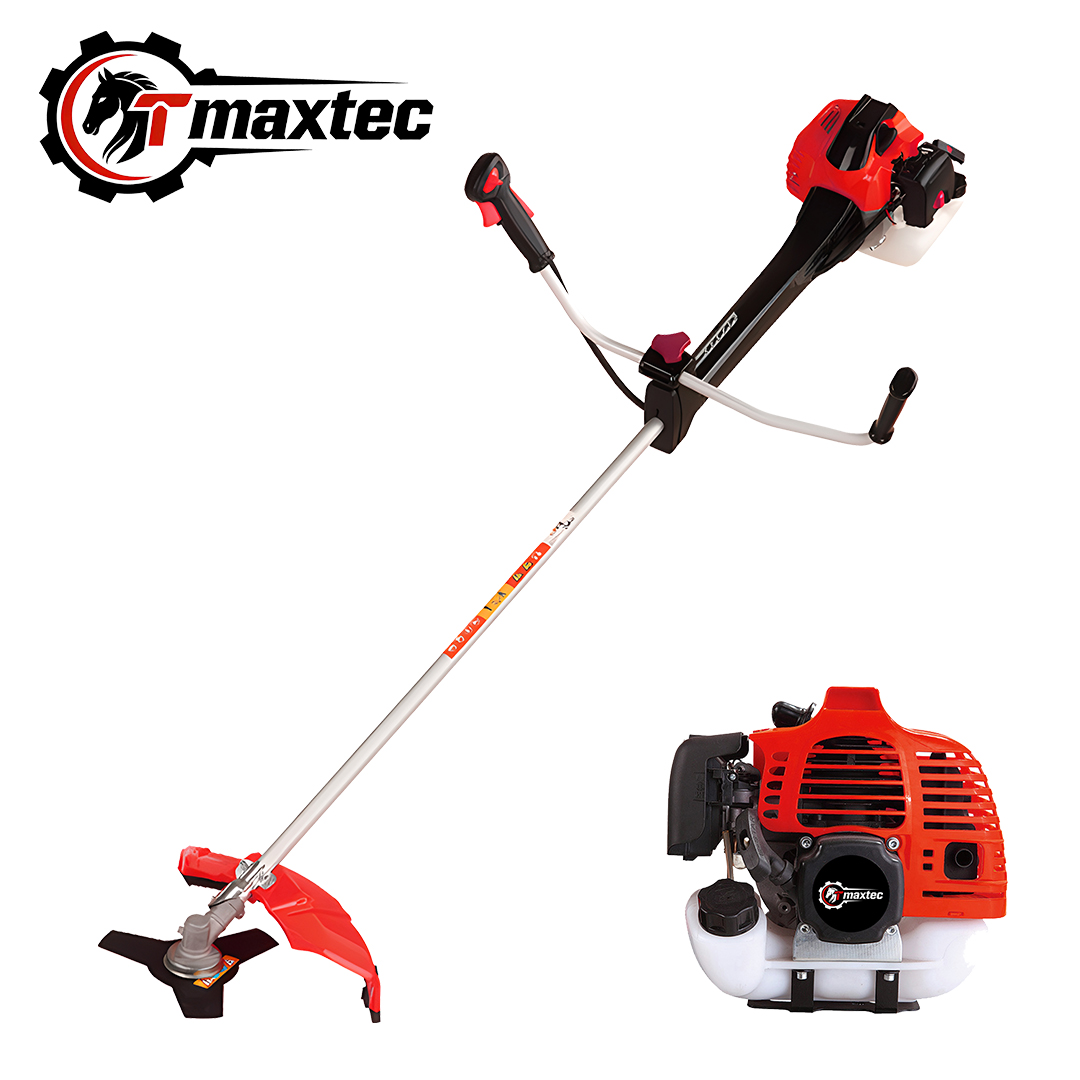
The Teamax brush cutter range includes three models that provide different starting points for a retail trial:
| Model | Listed applications | Relevant trial focus |
| TM-CG260 | Grass cutting, weed trimming and light garden maintenance. | Retailers serving residential garden maintenance customers. |
| TM-CG330 | Routine grass cutting and garden or farm work. | Outlets receiving enquiries from both garden and farm users. |
| TM-CG520B | Grass cutting, weed trimming and field maintenance. | Farm equipment dealers and retailers serving field maintenance requirements. |
A garden retailer may begin with requests for routine maintenance, while an agricultural equipment dealer may focus on field maintenance enquiries. If the trial covers both customer groups, ask the retailer to record the application associated with each sale.
Keep the demonstration configuration consistent with the offer. If an attachment is not included in the standard package and must be purchased separately, show its price separately. Customers should be evaluating the actual machine and accessory package they will receive, not a demonstration setup that creates a different price expectation.
4. Measure Actual Dealer Sell-Through, Not Warehouse Transfers
Dealer sell-through is the number of machines sold to end customers relative to the stock available for retail sale. It provides a more useful indication of market acceptance than the number of machines transferred from the importer to a distributor.
Use a consistent review period for each participating outlet wherever possible. Start counting when the dealer actually has saleable stock available. If a shipment spends much of the review period waiting in a warehouse or moving between branches, it provides limited evidence about the retailer's selling performance.
At the agreed review date, collect these figures for each model:
- Number of saleable units received by the dealer.
- Number of completed customer purchases.
- Number of returned machines where a sale was reversed.
- Number of units still available in retail inventory.
- Number of demonstration units retained separately.
- Number of customer enquiries that could not be fulfilled because stock was unavailable.
SELL-THROUGH EXAMPLE
| Total units received | 10 |
| Demonstration unit retained | 1 |
| Saleable retail stock | 9 |
| Completed customer sales | 6 |
| Returned and reversed sales | 1 |
Net sell-through = (6 − 1) ÷ 9 × 100
55.6%
The calculation excludes the demonstration machine and accounts for the reversed sale.
This example shows why inventory movements and retail transactions should be recorded separately. A dealer receiving ten machines has not necessarily sold ten machines, even if the entire shipment has been invoiced and delivered.
5. Interpret Discounts, Returns and Stockouts Before Reordering
A sell-through percentage alone does not explain why a brush cutter trial succeeded or failed. The selling price, customer feedback and availability of stock all influence the result.
Three situations deserve separate attention during the review:
Sales achieved after discounting
Record the actual selling price. Six units sold at the planned retail price and six sold after a clearance discount represent different commercial outcomes, even though the unit counts are identical.
Stock exhausted before the review date
Ask how many additional customers requested the machine after inventory ran out. An early stockout may mean the trial period was too short to establish the full level of demand.
Customers declined or returned the machine
Ask what prevented the purchase or caused the return. Record comments about price, intended application, included accessories and any service issue instead of grouping every unsuccessful transaction under weak demand.
Dealer feedback can also reveal a mismatch between the model and the customer group. For example, enquiries for a particular field-maintenance application should not automatically be treated as evidence that every model in the trial assortment is suitable for that requirement.
Keep the reasons for lost sales in the same report as the sales figures. This allows the next purchase decision to reflect both demand and the conditions under which customers were willing to buy.
6. Set Reorder Conditions Before Increasing the Wholesale Quantity
Decide the review criteria before the first machines leave the importer. Otherwise, it becomes tempting to interpret a disappointing result as a temporary problem or treat one strong dealer's performance as representative of the entire market.
The next order should be considered against several separate findings:
| Review finding | Commercial implication |
| Sales at planned price | Provides evidence that the offer can attract customers under the intended pricing arrangement. |
| Remaining inventory | Shows how much stock remains tied up at each retail outlet. |
| Dealer follow-up orders | Indicates whether retailers are prepared to commit to another purchase. |
| Unfilled enquiries | Helps identify demand that could not be measured through completed sales because stock was unavailable. |
| Service and spare parts | Identifies replacement components or service arrangements that need attention before expanding distribution. |
Do not combine the results from every dealer without checking their individual performance. One outlet may sell most of its allocation while another still holds substantial inventory. Review the customer groups, pricing and sales conditions at each location before deciding how to distribute the next shipment.
Spare parts deserve attention at this stage. Ask dealers which accessories or replacement components customers actually requested and whether the outlet could supply them. If a dealer sold through its trial stock but could not provide a confirmed replacement cutting head, that service gap should be addressed before repeating the same offer on a larger scale.
For a first Teamax purchase, request two separate quotations: one covering the agreed trial allocation and another covering the anticipated follow-up quantity. If MOQ or packaging requirements make the initial purchase larger than dealer commitments justify, evaluate the additional inventory commitment before confirming the order.
7. Importer and Dealer Checklist Before the Next Brush Cutter Order
Use this checklist when reviewing the pilot and preparing the next wholesale purchase. Each item should have a recorded answer rather than an informal verbal confirmation.
8. Frequently Asked Questions About Brush Cutter Trial Orders
1. How many brush cutters should an importer order for a market trial?
Start with the quantities participating dealers agree to take at a stated wholesale price, then add the machines required for demonstrations. Keep speculative demand separate. The appropriate quantity depends on the confirmed dealer allocation, demonstration requirements and supplier MOQ.
2. What is the difference between dealer orders and retail sell-through?
Dealer orders measure how many machines distributors or retailers purchase from the importer. Retail sell-through measures how many machines are subsequently purchased by end customers. Both figures matter, but only the second directly measures completed retail sales.
3. Should demonstration brush cutters be included in the sell-through calculation?
No. Demonstration units should be recorded separately and excluded from the saleable inventory denominator. This prevents machines retained for display or field demonstrations from distorting retail sales figures.
4. How long should a brush cutter trial period last?
Agree on a review date based on the expected retail selling period and when the dealers receive saleable stock. The review should give each outlet a reasonable opportunity to present the machines to customers. Seasonal demand and local purchasing patterns should also be considered.
5. Should an importer increase the next order if the dealer sells out?
Not automatically. Check how quickly the stock sold, the actual selling price, whether customers requested additional units and whether the dealer is ready to place another order. An early stockout is useful evidence, but the next quantity should still be based on confirmed requirements.
6. Which Teamax brush cutter models can be considered for a trial order?
The TM-CG260, TM-CG330 and TM-CG520B are three options in the Teamax brush cutter range. Their listed applications include light garden maintenance, routine grass cutting, garden or farm work and field maintenance. The appropriate selection depends on the applications requested by the dealer's customers.
7. What should importers confirm before placing a larger wholesale order?
Review net retail sales, remaining stock, actual selling prices, dealer reorder commitments and spare parts requirements. Also check MOQ, packaging and delivery terms to ensure the next purchase quantity matches the demand that participating outlets can support.
|
Planning Your First Brush Cutter Wholesale Order? Share your target market, preferred models, estimated trial quantity and demonstration requirements with Teamax Power. We can help you review the available brush cutter range and prepare a quotation for your initial order and potential repeat purchase. |
|
A successful brush cutter trial order is not simply a shipment accepted by dealers. It is a measurable retail test that connects model selection, agreed pricing, actual customer purchases and repeat-order commitments. Keeping those figures separate gives importers a clearer basis for expanding distribution without building inventory ahead of proven demand.