
How to Choose the Right Brush Cutter Blade for Grass and Brush
Choose the right brush cutter blade by matching tooth count, blade size and cutting conditions. Compare blade types for grass, weeds and brush applications.
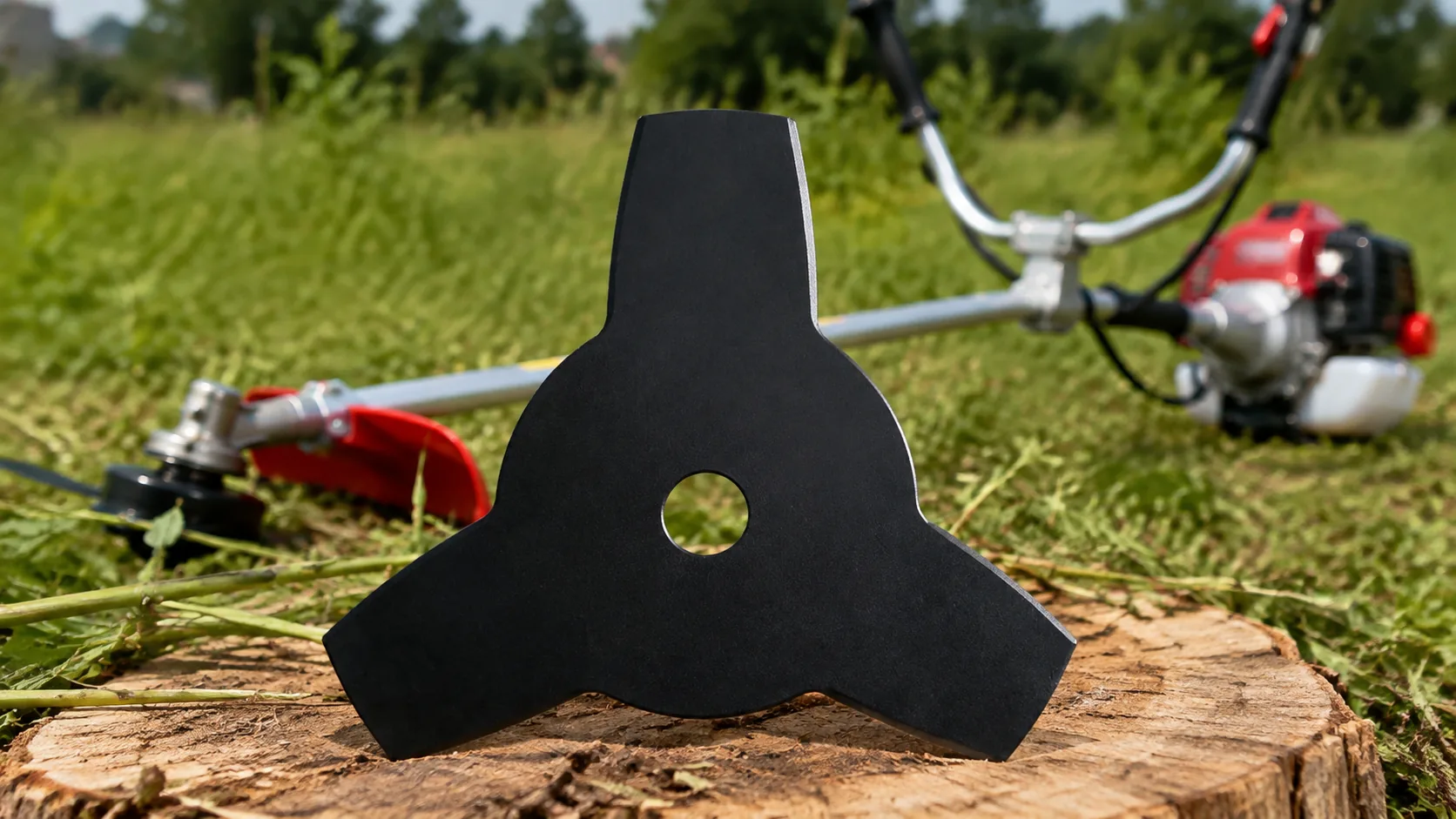
How to Choose the Right Brush Cutter Blade for Grass and Brush: Dealer Selection Guide
Choosing the right brush cutter blade is not simply a matter of selecting more teeth or a larger diameter. The correct blade depends on the cutting material, brush cutter power, working conditions and the replacement needs of the local market.
For importers, dealers and professional users, mixing different blade types without understanding their applications can lead to poor cutting results, unnecessary machine load and customer complaints after purchase. This guide compares common blade options, including 2T, 3T, 4T, 8T and multi-tooth designs, to help match each blade with the correct working condition.
Quick answer: The best brush cutter blade depends on the vegetation being cut, not only the tooth number. Fewer teeth generally suit heavier grass and thicker vegetation where larger cutting gaps are useful, while multi-tooth blades are often considered for finer cutting applications. Before ordering or replacing blades, check the blade diameter, tooth design, brush cutter compatibility and expected customer applications to avoid unsuitable combinations.
1. Match the Brush Cutter Blade With the Actual Cutting Material
The first decision should be based on what the blade needs to cut. Grass trimming, weed clearing and vegetation management create different cutting conditions, so one blade type cannot cover every application.
A blade with fewer teeth usually provides larger cutting spaces between teeth. This design can be considered for thicker weeds and heavier vegetation where larger material needs to pass through the cutting area.
The 305mm 2T Brush Cutter Blade is one example of a blade designed for applications where a more open cutting structure is required.
| Blade Type | Typical Application Consideration | Selection Focus |
| 2T Blade | Thicker grass and heavier vegetation | Open cutting structure and material handling |
| 3T / 4T Blade | General grass and weed maintenance | Balance between cutting efficiency and control |
| 8T / Multi-tooth Blade | Applications requiring more cutting points | Tooth arrangement and cutting finish |
2. Tooth Count Changes Cutting Behavior, Not Automatically Performance
Tooth number is one of the most visible differences between brush cutter blades, but it should not be treated as a simple quality ranking.
A 3T blade and an 80T blade are designed for different cutting situations. More teeth create more contact points around the blade edge, while fewer teeth provide a different cutting approach for larger vegetation.
For example, the 255mm 4T Brush Cutter Blade and the 255mm 80T Brush Cutter Blade should not be considered direct replacements because their tooth arrangements create different cutting characteristics.
Before Selecting by Tooth Number, Check:
- Vegetation thickness and stem hardness
- Required cutting finish
- Brush cutter engine capacity
- Expected working time
- Customer replacement habits in the target market
3. Blade Diameter Must Match Machine Capability
Blade diameter affects cutting coverage, but a larger blade is not always the better choice. Increasing diameter can change the load placed on the brush cutter gearbox, shaft system and engine output.
The 305mm 2T Brush Cutter Blade has a larger diameter compared with many 255mm blade options. Before installation, users should confirm that the actual brush cutter model supports the selected blade size.
For dealers and importers, diameter compatibility is especially important because different regions may have different common machine specifications. Stock planning should consider both replacement demand and machine compatibility.
4. Compare Alloy and Standard Brush Cutter Blade Options
Blade material is another factor when selecting replacement parts. The 255mm 40T Alloy Brush Cutter Blade provides an alloy blade option for buyers who need a different material configuration.
However, material alone does not determine suitability. The actual cutting result depends on the complete working system.
| Check Item | Why It Matters |
| Brush cutter power | Determines whether the machine can handle blade resistance |
| Vegetation type | Defines the suitable cutting structure |
| Installation condition | Incorrect fitting may affect operation stability |
5. Recommended Brush Cutter Blade Options for Different Applications
General Grass and Weed Maintenance
Recommended options:
255mm 3T Brush Cutter Blade
255mm 4T Brush Cutter Blade
Suitable when customers need balanced cutting performance for common grass and weed maintenance tasks.
Heavier Vegetation Applications
Recommended options:
305mm 2T Brush Cutter Blade
255mm 8T Brush Cutter Blade
Consider these options according to vegetation type, machine compatibility and customer expectations.
6. Importer and Dealer Checklist Before Stocking Brush Cutter Blades
- Confirm which brush cutter models are most common in the target market.
- Check whether customers mainly cut grass, weeds or thicker vegetation.
- Verify blade diameter compatibility before quotation.
- Compare demand for 2T, 3T, 4T, 8T and multi-tooth options.
- Confirm replacement requirements from existing machine users.
- Check whether blade specifications match the ordered configuration.
- Prepare product information for dealers and repair shops.
- Maintain consistency between repeat orders and previous blade specifications.
7. Frequently Asked Questions About Brush Cutter Blade Selection
Does a blade with more teeth always cut better?
No. Tooth number changes cutting behavior. The correct choice depends on vegetation type, brush cutter power and required cutting result.
Can a 305mm blade be installed on every brush cutter?
No. Blade diameter must match the machine specification, gearbox capacity and installation requirements.
What is the difference between 3T and 4T brush cutter blades?
The tooth arrangement is different, which affects how the blade contacts vegetation. They should be selected according to the intended application.
Are alloy brush cutter blades suitable for all users?
No. Alloy construction is only one factor. Cutting material, machine condition and operating method must also be considered.
What blade range should dealers stock?
A balanced range covering common grass, weed and heavier vegetation applications is usually more practical than stocking only one tooth type.
Need the Right Brush Cutter Blade Configuration?
Share your brush cutter model, target application and required blade specifications. Our team can help compare suitable blade options for wholesale and dealer supply.
| Request Blade Details |