
What Chainsaw Bar Length Should Farmers and Dealers Choose?
Learn how to choose the right gasoline chainsaw bar length for farm, garden, firewood, and dealer sales based on real cutting needs.
Choosing the right chainsaw bar length is not only about cutting larger wood. For farmers, garden workers, hardware stores, and machinery dealers, the correct guide bar should match the wood size, working environment, operator skill level, and spare parts supply.
A bar that is too short can limit cutting capacity, while a bar that is too long may make the chainsaw harder to control, more tiring to use, and more expensive to maintain. This guide explains how B2B buyers can select a practical chainsaw configuration for real market demand.
Quick answer: For most farm, garden, and firewood users, the best chainsaw bar length is the one that matches the wood they cut most often, not simply the longest bar available.
Recommended Gasoline Chainsaw for Mixed Cutting Work
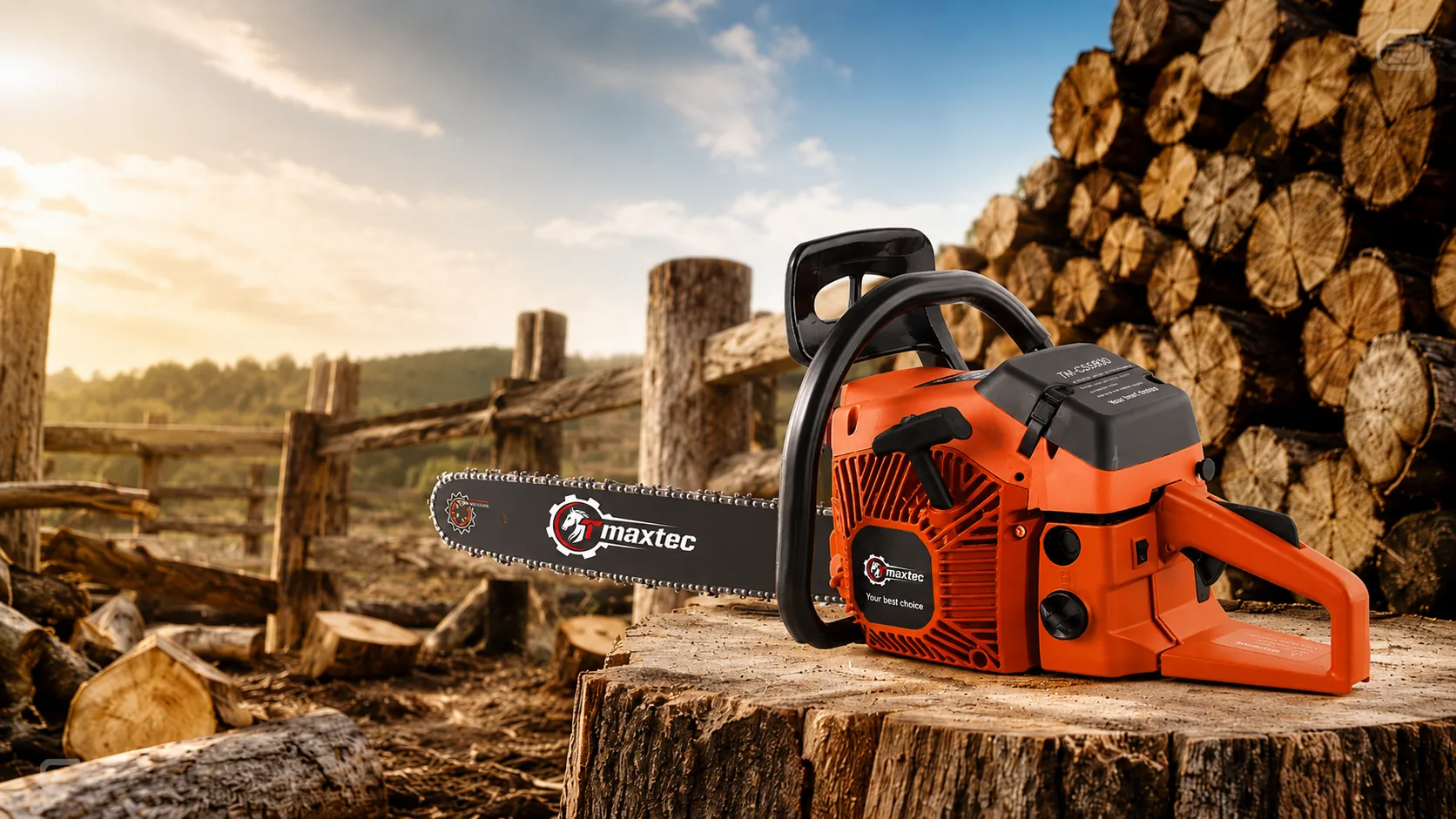
For importers and dealers who need one gasoline chainsaw model for farm work, garden maintenance, firewood preparation, and general wood cutting, the TM-CS5800 offers practical 20-inch and 22-inch guide bar options. This helps distributors serve different customer groups without stocking too many separate models.
TM-CS5800 Gasoline Chain Saw
Suitable for wood cutting, pruning, farm clearing, forestry maintenance, and outdoor garden work where stable cutting performance and common guide bar options are required.
| View Product Details |
Why Chainsaw Bar Length Matters in B2B Sales
Many buyers first compare engine displacement when choosing a gasoline chainsaw. However, in daily use, the guide bar length often decides whether the machine feels practical. A chainsaw used for orchard pruning, firewood cutting, farm clearing, and forestry maintenance may face very different wood sizes.
For dealers, this is not just a technical issue. It affects customer satisfaction and after-sales service. Some customers ask for a longer bar because it looks stronger in the shop, but they may actually need a more balanced setup for regular farm jobs.
A good dealer should help customers choose based on what they cut most often. If the chainsaw matches local work conditions, it is easier to sell, easier to explain, and easier to support with spare parts.
Start with the Wood Type, Not the Bar Size
The first question should not be “Which chainsaw is bigger?” A better question is: “What kind of wood do customers cut every week?” In agricultural markets, many users cut dry branches, fruit trees, small logs, fence posts, and firewood. In forestry regions, users may cut thicker trunks, harder timber, or fallen trees after storms.
For lighter farm maintenance, a moderate guide bar is often easier to control. It can handle common branches and logs without making the machine feel front-heavy. For larger logs or forestry work, a longer guide bar gives more cutting reach and allows users to cut wider material with fewer passes.
| Application | Recommended Bar Choice | Buyer Focus | Main Advantage |
|---|---|---|---|
| Orchard pruning and branch cutting | Balanced medium bar | Control and comfort | Easier handling in tight spaces |
| Farm clearing and fence maintenance | 20-inch guide bar | Mixed daily work | Good balance between reach and control |
| Firewood preparation | 20-inch or 22-inch guide bar | Cutting capacity and spare chains | Covers common log sizes |
| Forestry and larger logs | Longer guide bar option | Power match and maintenance | More reach for wider wood |
When a Shorter Guide Bar Is More Practical
A shorter or more balanced guide bar is usually better when the work involves frequent movement, branch cutting, farm cleaning, and general garden maintenance. Users who cut in orchards, around fences, near buildings, or in mixed farm areas often need better control more than maximum cutting length.
This setup is also easier for less experienced users. It places less weight toward the front of the saw and helps the operator keep a more stable cutting position. For many farm users, this means less fatigue during repeated cutting work.
Dealers should consider this carefully. If most local customers are small farmers, orchard owners, or garden maintenance workers, stocking only long-bar chainsaws may not be the most practical choice. The product may look strong, but users may complain that it is tiring or difficult to control.
When a Longer Guide Bar Makes Sense
A longer guide bar is useful when customers regularly cut larger logs, thick trunks, or harder wood. It gives more cutting reach and can reduce the need to cut from multiple angles. This can be important for users working in forestry areas, rural firewood businesses, or farms with larger trees.
However, a longer guide bar should be matched with proper chain tension, chain sharpness, lubrication, and operator experience. If users are not familiar with chainsaw handling, a longer bar can increase fatigue and make poor cutting technique more obvious.
For importers, the longer-bar option may be suitable for markets where customers value cutting capacity and commonly deal with larger wood. But it should not be selected only because it sounds stronger in advertising.
Common Market Profiles for Chainsaw Dealers
Farm Tool Shops
Usually serve customers cutting branches, fence posts, firewood, and small trees. A balanced chainsaw configuration is often easier to recommend.
Forestry Dealers
Need stronger cutting capacity, reliable chain supply, and clear maintenance guidance for users cutting thicker timber or fallen trees.
Garden Machinery Stores
Customers may care more about handling comfort, easy starting, replacement parts, and safe daily operation than maximum bar length.
How Dealers Can Avoid Stocking the Wrong Chainsaw Configuration
A common mistake in wholesale gasoline chainsaw purchasing is choosing one configuration for every market. The same chainsaw may sell differently in farm areas, forestry regions, hardware stores, and garden tool shops.
Before placing a bulk order, dealers should collect simple market information from local users. What wood size do customers usually cut? Do customers mainly use chainsaws for pruning, firewood, or forestry? Are users experienced with petrol chainsaws? Which guide bar length is already common in the market?
These questions help dealers choose a model configuration that is easier to sell and easier to support after purchase. A farm tool dealer may prefer a more balanced setup for mixed daily work, while a forestry-focused distributor may need a longer guide bar option.
Why Chain and Bar Spare Parts Must Be Planned Together
Chainsaw bars and chains are wearing parts. They must be replaced when damaged, worn, or stretched beyond proper adjustment. This is why dealers should not only import complete chainsaws; they should also plan spare chains, guide bars, spark plugs, filters, recoil starters, clutch parts, and other common service parts.
If a customer cannot find the correct replacement chain, the chainsaw may stop being useful even when the engine is still working. This affects customer satisfaction, warranty pressure, and repeat orders.
For B2B buyers, spare parts support is part of the product value. A popular bar length with available replacement chains is often better than a special configuration that is difficult to maintain locally.
Importer and Dealer Checklist Before Bulk Purchase
- Confirm the guide bar options and matching chain specifications.
- Check whether 20-inch and 22-inch chains are easy to supply in the local market.
- Ask which spare parts are available for regular after-sales service.
- Confirm packing method, carton strength, accessories, and user manual requirements.
- Match bar length with local customer groups such as farmers, firewood users, forestry workers, and garden maintenance teams.
- Consider MOQ, delivery stability, replacement chain supply, and long-term model availability.
- Prepare simple sales training so shop staff can explain bar length by application, not only by size.
What Happens If the Bar Length Does Not Match the Work?
If the bar is too short, users may need more time to cut larger wood. They may cut from several sides, which can be tiring and less efficient. In some cases, they may push the saw too hard, causing faster chain wear or poor cutting results.
If the bar is too long, users may experience slower handling, more vibration, and increased fatigue. A longer bar also requires correct chain tension and sufficient lubrication. If the chain is dull or dry, cutting performance will drop quickly.
Many complaints about gasoline chainsaws are not caused by the engine itself. They come from a wrong match between the saw configuration, the cutting task, and the user’s maintenance habits.
How to Explain Bar Length to End Customers
Sales staff should avoid explaining bar length only with technical terms. Most customers want a simple answer: “Can this saw cut my wood?” A better sales method is to ask about the customer’s daily work first.
If the customer mainly cuts branches, small trees, and firewood for home or farm use, a balanced chainsaw configuration may be easier to recommend. If the customer often cuts larger timber or works in forestry areas, a longer guide bar may be more suitable.
This type of explanation helps customers choose more confidently. It also reduces the chance that they buy a chainsaw that looks suitable in the shop but feels wrong during real work.
Maintenance Points for Different Bar Lengths
Longer bars and chains need more attention to lubrication and tension. Users should check chain oil before work and clean the guide bar groove after use. If the oil hole is blocked by sawdust, the chain may run dry and wear quickly.
The chain should be sharpened when cutting becomes slow or when the saw produces fine dust instead of wood chips. A dull chain makes the machine work harder and can make users think the chainsaw is weak. In many cases, sharpening or replacing the chain solves the problem.
Dealers can reduce after-sales problems by teaching customers basic maintenance: check chain tension, keep the chain sharp, clean the air filter, use proper fuel mixture, and inspect the guide bar regularly.
Product Recommendation for Importers
TM-CS5800 Gasoline Chain Saw
The TM-CS5800 gasoline chain saw is designed for wood cutting, pruning, farm work, forestry use, and garden maintenance. With 20-inch and 22-inch guide bar options, it is suitable for dealers who need a flexible model for different customer applications.
This model can be positioned for farm tool shops, hardware stores, garden machinery dealers, and distributors serving rural firewood and wood cutting users.
| View This Chainsaw |
FAQ: Chainsaw Bar Length for Farm and Forestry Use
What chainsaw bar length is best for farm use?
For general farm use, a balanced guide bar is usually better than the longest option. Farmers often cut branches, fence posts, firewood, and small logs, so control and comfort are important.
Is a longer chainsaw bar always better?
No. A longer bar gives more reach for larger wood, but it can also make the chainsaw harder to handle and maintain. It should match the engine, chain, operator skill, and cutting task.
Should dealers stock 20-inch or 22-inch chainsaws?
It depends on local demand. A 20-inch option is practical for mixed farm and firewood use, while a 22-inch option may be better for customers cutting larger logs or working in forestry areas.
What should importers check before buying gasoline chainsaws in bulk?
Importers should confirm guide bar length, chain specification, spare parts availability, packing method, accessories, user manual requirements, MOQ, and whether the configuration matches the local customer group.
Why do chainsaw users complain about weak cutting performance?
Poor cutting performance is often caused by a dull chain, wrong chain tension, poor lubrication, blocked guide bar groove, or an unsuitable bar length for the job. It is not always an engine problem.
How can dealers reduce after-sales problems with chainsaws?
Dealers can reduce after-sales pressure by choosing suitable bar lengths, preparing replacement chains and bars, training sales staff, and teaching customers basic maintenance before use.
Looking for a Practical Gasoline Chainsaw for Your Market?
For importers and dealers looking for stable supply, Teamax Power can provide suitable garden machinery models for different market needs. The TM-CS5800 gasoline chain saw is a practical option for farm, garden, firewood, and forestry customers who need common guide bar choices and reliable spare parts planning.
| Send Inquiry |