
Why Does a Backpack Brush Cutter Vibrate or Feel Unbalanced?
Learn why backpack brush cutter vibration occurs, how to diagnose common causes, reduce operator fatigue, and check models before wholesale purchase.
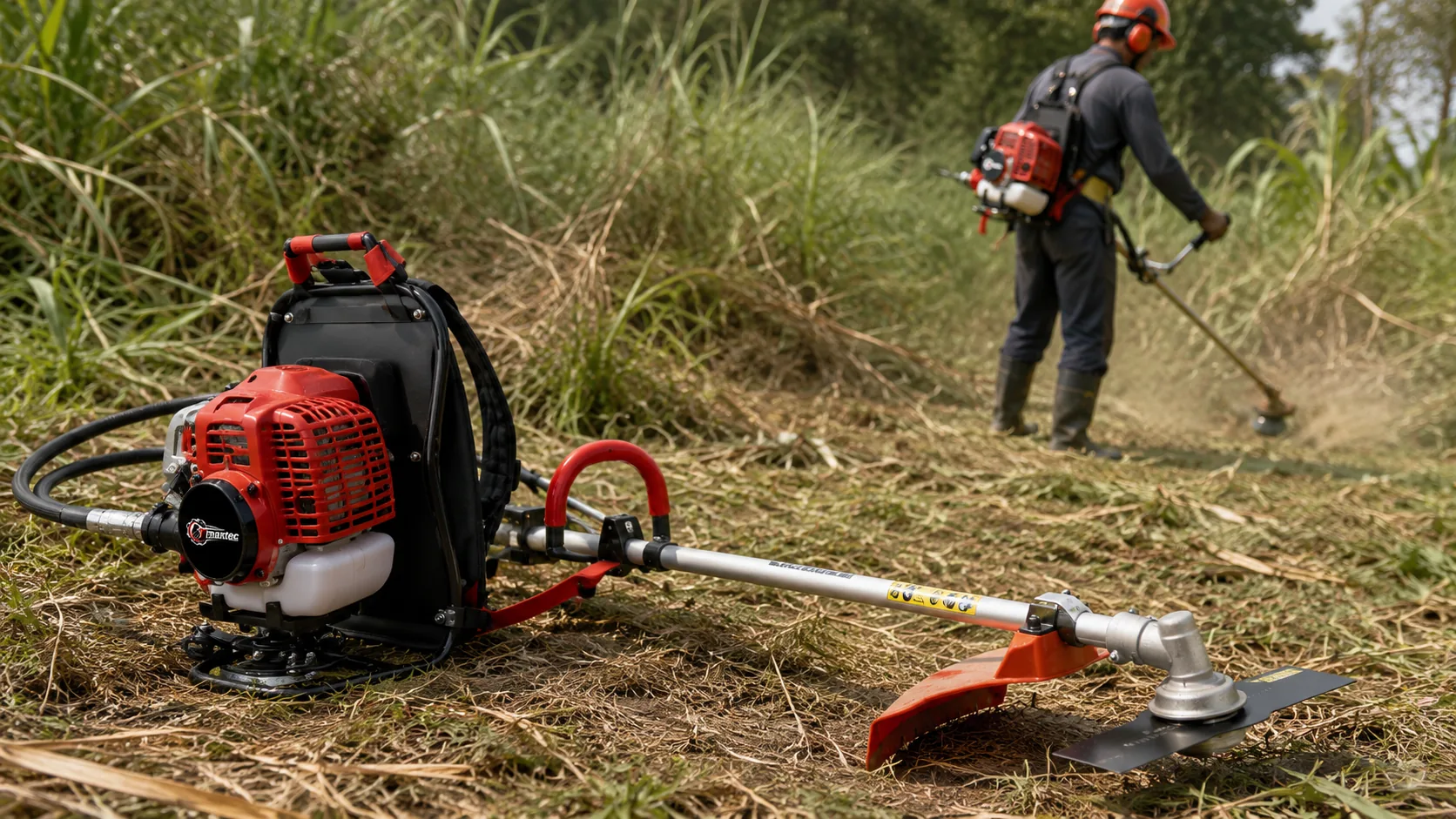
Excessive vibration in a backpack brush cutter may come from an unbalanced cutting attachment, a worn flexible shaft, loose gearbox components, poor assembly or an incorrectly adjusted backpack frame. This guide explains how users can locate the problem and what importers should inspect before accepting a bulk order.
A backpack brush cutter should produce some normal engine movement, but it should not shake violently, pull strongly to one side or create unusual rattling through the cutting tube. Continuing to work without identifying the cause can increase operator fatigue and may damage the clutch, flexible shaft, bearings, gearbox or mounting components.
For farmers and landscaping workers, vibration is mainly an operating and maintenance issue. For dealers and importers, repeated complaints may indicate unsuitable blades, inconsistent assembly, weak backpack support, poor accessory matching or insufficient pre-shipment testing.
A backpack brush cutter usually vibrates because the blade or nylon head is out of balance, the cutting attachment is installed incorrectly, the flexible drive shaft is dry or worn, the rigid shaft is bent, the gearbox is loose, or the backpack straps are poorly adjusted. Begin by stopping the engine and inspecting the cutting attachment before checking the shaft, gearbox and backpack support.
Where Should You Check First?
|
CHECK 01
Cutting AttachmentInspect the metal blade, nylon line, spool, washers, flange, fastening nut and blade-centering position. |
CHECK 02
Drive SystemCheck the flexible shaft, rigid drive rod, shaft connectors, clutch drum, gearbox and bearings. |
CHECK 03
Backpack SupportConfirm that the frame sits close to the back and that both shoulder straps carry similar tension. |
Why Does the Cutting Blade Cause Strong Vibration?
The cutting attachment should be the first area inspected when a backpack brush cutter begins vibrating. A metal blade that is bent, cracked, unevenly sharpened or covered with compacted grass can rotate out of balance. Even a small weight difference between the sides of the blade becomes much more noticeable as engine speed increases.
Vibration may also occur when the blade washer, flange, fastening nut or guard is installed in the wrong order. If the blade is not centered correctly on the output shaft, the machine may shake even when the blade appears undamaged.
Important safety point: Stop the engine, disconnect the spark plug and wait until the attachment has completely stopped before inspection. A cracked, bent or badly worn blade should be replaced rather than repeatedly sharpened in an attempt to restore balance.
Dealers supplying replacement blades should verify the center-hole size, blade diameter, thickness, tooth pattern and intended cutting application. A blade that physically fits the gearbox may still be unsuitable for the machine or local vegetation.
Can a Nylon Trimmer Head Become Unbalanced?
A nylon trimmer head can create considerable vibration when the two cutting lines are different lengths, the spool is installed incorrectly or grass has wrapped around the head. One line that is noticeably shorter creates uneven centrifugal force during rotation.
Automatic and semi-automatic heads should be checked for damaged eyelets, cracked housings, broken internal components and incorrectly wound line. Nylon line that is too thick for the head can increase cutting resistance and place additional load on the clutch, gearbox and flexible drive system.
A useful diagnostic sign is whether the machine runs smoothly without the attachment but begins vibrating after the blade or trimmer head is installed. When this happens, the cutting attachment and mounting hardware are the most likely sources.
How Does a Worn Flexible Shaft Affect a Backpack Brush Cutter?
Unlike many side-mounted brush cutters, backpack models transfer engine power through a flexible drive shaft. This allows the engine to remain on the operator’s back while the cutting tube moves independently. The internal shaft must remain lubricated, correctly aligned and securely connected at both ends.
A dry or worn flexible shaft may produce vibration, rattling, intermittent cutting-head rotation or unusual noise inside the hose. Tight bends in the flexible tube can increase friction, create heat and shorten the service life of the internal cable.
Users should avoid tightly folding the flexible tube during storage or transportation. If the internal wires are broken, the shaft is distorted or the end fittings are badly worn, replacement is normally safer than continued use.
For distributors, the flexible shaft should be treated as an important after-sales spare part. Buyers should confirm whether replacement shafts, connectors, clutch drums, throttle cables, drive rods and gearbox components can be supplied separately.
Why Is the Engine Stable While the Cutting Tube Shakes?
When the engine runs normally but vibration is concentrated in the cutting tube, the problem may be located in the rigid shaft, internal drive rod, gearbox, bearings or the connection between the flexible and rigid drive sections.
A bent working shaft can cause the internal drive rod to rotate unevenly. Loose tube clamps and gearbox bolts create additional movement, while worn gearbox bearings often produce vibration or mechanical noise near the cutting head. These faults may be more obvious while cutting than when the machine is running at idle.
Locating the strongest vibration can help identify the likely component. However, the machine should not be tested at high speed when the blade visibly wobbles, the gearbox is loose or abnormal metal noise is present.
Can Backpack Adjustment Make the Machine Feel Unbalanced?
Not every balance complaint is caused by a mechanical defect. A backpack brush cutter can feel uncomfortable when the shoulder straps are too loose, the engine sits too low or most of the weight is carried on one shoulder.
The frame should sit close to the operator’s back without restricting movement. Both straps should carry similar tension, and any waist or chest support should be adjusted before starting work. The flexible tube should form a smooth curve rather than pulling the cutting tube toward one side.
Operator height, body size, cutting angle and working technique also affect comfort. In markets where users work for long periods on slopes, plantations, orchards or uneven farmland, the quality of the backpack frame and harness may be as important as engine output.
Backpack Brush Cutter Models for Different Market Preferences
Engine type can affect fuel habits, throttle response, operating sound and maintenance routines, but it does not automatically eliminate vibration. Attachment balance, shaft condition, gearbox alignment, backpack support and assembly consistency remain essential with every configuration.
Backpack Brush Cutter Vibration Diagnosis Table
| Observed Symptom | Likely Cause | First Inspection | Dealer Advice |
|---|---|---|---|
| Cutting head visibly wobbles | Bent blade, incorrect flange order or off-center installation | Blade, washer, flange and fastening nut | Stock compatible blades and fastening sets |
| Vibration begins after nylon head installation | Unequal line length, damaged spool or wrapped grass | Line length, spool seating and head condition | Match line diameter to the trimmer head |
| Rattling inside the flexible hose | Dry, worn or distorted flexible shaft | Lubrication, cable condition and end fittings | Keep replacement flexible shafts available |
| Strong vibration near the gearbox | Loose gearbox, worn bearings or bent drive rod | Gearbox bolts, bearing play and shaft alignment | Test complete machines under cutting load |
| Machine pulls toward one side | Uneven straps or poor flexible-tube routing | Harness adjustment and frame position | Evaluate comfort with different operator sizes |
| Vibration becomes worse under load | Attachment resistance, worn drive parts or unstable engine speed | Blade, fuel system, air filter, clutch and shaft | Use vegetation representative of the destination market during testing |
Operating Habits That Increase Vibration
Forcing the blade into dense weeds, woody stems, stones, fences or hard ground creates sudden impact and may damage the attachment. Operators should allow the cutting head to maintain speed and use controlled sweeping movements instead of pushing the machine aggressively.
A brush cutter that cannot maintain stable speed under load may also feel rough. The user should inspect the air filter, fuel supply, spark plug, carburetor setting, muffler and cutting attachment rather than compensating by continuously applying more throttle.
Long cutting sessions can make normal machine movement feel more severe as the operator becomes tired. Correct harness adjustment, suitable protective equipment, work breaks and operator rotation can reduce fatigue during farm and landscaping work.
What Dealers Should Inspect Before a Bulk Order
A practical pre-shipment inspection should evaluate more than whether the engine starts. Complete machines should be tested with the intended blade or nylon head installed. Testing only the engine may fail to reveal attachment imbalance, gearbox noise, shaft vibration or poor harness support.
|
|
How Importers Can Evaluate Market Fit
Backpack brush cutters are particularly relevant for slopes, terraced farms, orchards, roadside vegetation, plantations and locations where carrying a side-mounted engine may be inconvenient. However, the model must match local vegetation, daily working hours, fuel habits, repair capability and spare-parts availability.
Markets focused mainly on soft grass may prioritize comfort, easy handling and a reliable nylon-head configuration. Areas with dense weeds and agricultural clearing work require closer attention to blade compatibility, gearbox condition, shaft durability and parts support.
Before confirming a wholesale order, buyers should test complete machines under realistic conditions. Vibration should be evaluated at idle, during acceleration and while cutting the type of vegetation commonly found in the destination market.
When Should a Vibrating Brush Cutter Be Stopped Immediately?
Stop the machine when vibration suddenly becomes much stronger, the cutting head appears to wobble, the blade contacts the guard, the gearbox becomes loose or abnormal metal noise is heard. Operation should also stop when the flexible tube becomes unusually hot or the cutting attachment rotates irregularly.
Identifying the cause early is usually less expensive than replacing several connected components later. Correct blade installation, flexible-shaft maintenance and backpack adjustment solve many common complaints, while proper batch testing and spare-parts planning help dealers reduce returns and after-sales pressure.
Frequently Asked Questions
Why does my backpack brush cutter vibrate at full throttle?
Vibration that becomes stronger with engine speed usually points to an unbalanced blade, unequal nylon-line length, incorrect blade centering, a bent drive component or worn gearbox bearings. Inspect the attachment first because imbalance becomes more noticeable at higher rotational speed.
Can I continue using a brush cutter with a vibrating blade?
No. A wobbling or cracked blade can damage the gearbox, shaft and guard and may create a serious safety risk. Stop the engine and replace damaged attachments before continuing work.
How do I know whether the flexible shaft is worn?
Typical signs include rattling inside the hose, intermittent cutting-head rotation, unusual heat, rough power transfer and visible wear at the shaft ends. A distorted shaft or one with broken internal wires should normally be replaced.
Why does the machine feel unbalanced even when the blade is normal?
The backpack may be sitting too low, the straps may have unequal tension or the flexible tube may be pulling the cutting shaft toward one side. Adjust the frame close to the back and route the flexible tube in a smooth curve.
What spare parts should backpack brush cutter dealers stock?
Useful stock normally includes flexible shafts, drive rods, gearbox assemblies, clutch components, throttle cables, starter parts, air filters, switches, blade fasteners, guards and compatible cutting attachments.
How can importers reduce vibration-related customer complaints?
Test complete machines with the actual cutting attachment installed, inspect several units from each batch, confirm correct accessory matching and provide clear assembly and maintenance guidance. Spare-parts availability should be arranged before local sales begin.