


Chainsaw Bulk Order Quality: Why Samples Can Be Misleading
Control chainsaw bulk order quality beyond the sample. Define batch checks, rework decisions and release evidence before dealers inherit preparation work.
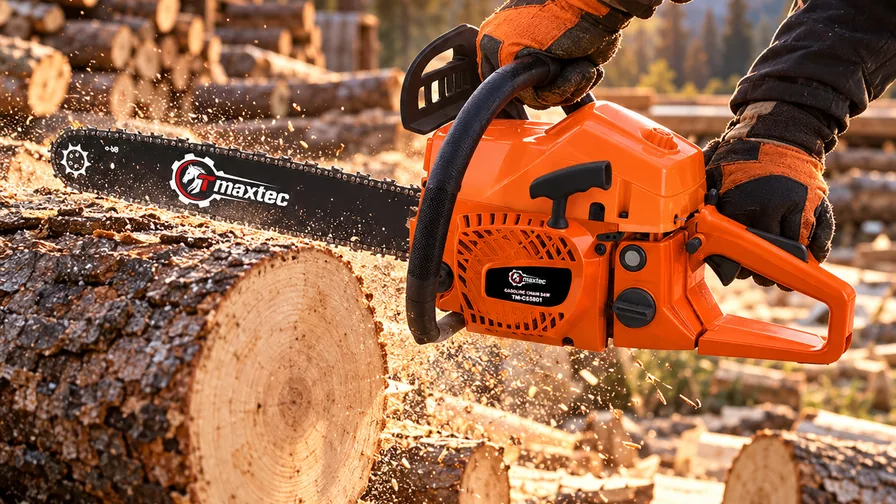
Chainsaw Bulk Order Quality: What Importers Should Check Before Shipment
A chainsaw sample can start cleanly, cut demonstration timber and satisfy the buyer, yet that approval does not automatically define the condition of hundreds of machines in a production shipment. For importers and distributors, chainsaw bulk order quality depends on whether the approved sample is converted into measurable production-lot acceptance requirements.
The commercial risk usually appears after arrival: extra dealer adjustments, repeated workshop checks, delayed stock release or uncertainty over whether a finding is a factory issue, a transport issue or normal dealer preparation. The practical solution is to establish what will be checked, which machines will be checked, what evidence is required and what happens when a selected unit does not meet the agreed condition. :chatgpt-content-reference{index="0"}
1. Sample Approval Is Not Production-Lot Approval
A sample answers a narrow question: what did one identified machine do under the conditions in which it was evaluated? It does not establish that every production chainsaw will leave the factory with the same assembly condition, preparation or functional result.
Before using a sample as the purchasing reference, record how it was prepared. A unit taken directly from normal production is different from a machine assembled specifically for evaluation or adjusted before dispatch. A carefully prepared evaluation sample can still be useful, but its preparation history needs to remain visible.
“Same quality as sample” is too broad for production acceptance. If the sample required a carburetor adjustment, assembly correction or another workshop action before approval, the purchase documents should state whether that correction must already be incorporated into production or whether it remains a destination preparation task.
The difference has a direct purchasing consequence. “The sample passed the agreed checks as supplied” and “the sample worked after our technician adjusted it” describe two different delivery expectations. They should not become the same manufacturing instruction when the order moves into quantity production.
2. Define the TM-CS5801 Configuration Before Inspecting Quality
Quality inspection starts with configuration control. The TM-CS5801 gasoline chain saw is listed with 45/52/62cc displacement options, 16/18/20/22-inch guide bar options and a 0.325-inch chain pitch. A buyer therefore needs to identify which approved version the production lot is supposed to represent before comparing it with a sample. :chatgpt-content-reference{index="1"}
This is especially important when one model name covers more than one engine or cutting configuration. An inspection result from one approved version should not automatically be used to release another version unless the agreed inspection plan says so.
| TM-CS5801 Configuration Reference for Order Control | |
| Model | TM-CS5801 Gasoline Chain Saw |
| Displacement options | 45 / 52 / 62cc |
| Guide bar options | 16 / 18 / 20 / 22 inches |
| Chain pitch | 0.325 inch |
| TM-CS5801 Gasoline Chain Saw Model: TM-CS5801
Relevant when an importer needs one chainsaw platform with multiple displacement and guide-bar choices. For bulk purchasing, confirm the exact configuration on the quotation, order specification, inspection reference, carton information and spare-parts documentation. |
|
3. Turn “Same as Sample” Into Observable Acceptance Conditions
An inspector cannot make a consistent release decision from an instruction such as “good quality” or “same as sample.” The acceptance document needs characteristics that can actually be observed, checked or recorded.
For a chainsaw bulk order inspection, those characteristics may include the condition and security of supplied assemblies, operation of controls, visible leakage or damage and the results of agreed functional checks. The applicable supplier specification, approved drawing or manufacturer procedure should define the basis wherever possible rather than forcing the inspector to invent limits on inspection day.
| Review Area | Useful Evidence | Decision Required |
| Supplied assemblies | Identified-unit inspection record | What must be corrected before release |
| Controls and safety functions | Results from the applicable check procedure | Which failures prevent release or use |
| Running checks | Recorded preparation, procedure and outcome | Pass, correction or retest requirement |
| Appearance and damage | Clear photographs against agreed criteria | Acceptable variation versus correction |
| Dealer preparation | Documented tasks and responsibility | What work is included in the commercial offer |
Visual approval and functional approval should remain separate. A chainsaw can match the sample’s color, label and general appearance yet still require workshop correction. Conversely, a minor cosmetic variation does not automatically carry the same consequence as a control that fails its required function.
4. Inspect Machines Selected From the Actual Production Lot
A demonstration chainsaw placed beside finished cartons does not establish the condition of the machines inside those cartons. The inspection plan should provide access to the completed production lot and a selection method that does not depend only on units specially prepared for presentation.
- Identify the lot. Record the production group, available quantity and applicable ordered configuration.
- Define the selection method. Selected machines should be traceable to the lot being assessed.
- Cover relevant configurations. If the order contains different approved versions, determine which groups require inspection.
- Provide suitable facilities. Functional checks should not be listed as completed when the inspection location cannot support them.
- Record intervention. Cleaning, adjustment or component replacement performed during inspection should remain visible in the report.
The sampling and acceptance plan should be chosen according to the order and its risks, preferably with a qualified inspection or quality professional. An arbitrary percentage copied from an unrelated shipment can create false confidence. Selected-unit inspection is useful evidence, but it does not prove that every unexamined machine is defect-free.
5. Investigate the Lot When a Selected Chainsaw Needs Correction
Repairing one inspected machine solves the immediate problem on that machine. It does not answer whether the same condition may exist elsewhere in the order.
| A weak response
Correct the failed sample, photograph the repaired machine and treat the issue as closed. |
A controlled response
Record the original finding, investigate which production or component group may be affected, correct identified units and define what must be rechecked before release. |
Keep the original inspection record, supplier response and correction record together. The number of machines corrected should not be confused with the number subsequently rechecked. If selected corrected machines pass a retest, describe that result accurately rather than presenting it as verification of every machine in the shipment.
Shipment timing also needs to remain secondary to unresolved acceptance findings. A promised departure date should not automatically release units whose status has not been determined. Machines still awaiting investigation should remain identifiable so they are not mixed into accepted stock.
6. Count the Dealer Labor Hidden Outside the Unit Price
Inconsistent delivery condition does not always appear as an obvious warranty claim. For distributors, the first cost may be workshop checking, adjustment, repeat handling and delayed dealer preparation.
The calculation shows why a small preparation task can matter when repeated across a shipment. It does not state that the TM-CS5801 requires this work. Importers can use the same method with their own documented receiving and workshop data.
Unexpected work should also be separated from normal manufacturer-required preparation. Record the machine, task, reason and time spent. That gives the purchasing team evidence for the next supplier discussion and shows whether a later production change actually reduces dealer workload.
7. Importer and Dealer Chainsaw Release Checklist
Use this checklist before shipment and again when the stock reaches the distributor. The purpose is not to duplicate inspection work, but to keep factory acceptance, transport condition and dealer preparation as separate stages.
| No. | Importer / Factory Release | Dealer / Arrival Control |
| 1 | Confirm the exact TM-CS5801 displacement and guide-bar configuration. | Verify received cartons correspond to the ordered version. |
| 2 | Keep the approved sample identity and preparation record. | Do not rely on the old sample video to explain shipment condition. |
| 3 | Define visual, assembly and functional acceptance requirements. | Separate transport damage from factory findings where evidence allows. |
| 4 | Select inspection units from the completed production lot. | Preserve carton or unit traceability before stock is split among branches. |
| 5 | Record adjustments or replacement work performed during inspection. | Record unexpected dealer correction separately from normal preparation. |
| 6 | Investigate whether a selected-unit failure may affect a wider group. | Watch for repeated findings concentrated in one configuration or batch. |
| 7 | Define who authorizes release, reinspection or an approved deviation. | Escalate repeated corrective work instead of treating it as routine setup. |
| 8 | Confirm carton, model and configuration identification before shipment. | Check visible transport and handling condition before redistribution. |
| 9 | Keep inspection, correction and release records for the next order. | Track whether dealer preparation workload improves on repeat shipments. |
8. Use the First Shipment to Tighten Repeat-Order Control
The first shipment should produce more than a pass or fail decision. Review which checks revealed useful problems, which instructions caused disagreement and which dealer tasks turned out to be different from the original purchasing assumption.
Update the controlled reference before the next order. A deliberate supplier change should be distinguished from unexplained variation. If a component, assembly or preparation method changes, review its effect on function, service identification and the existing order specification before treating the revision as normal production.
For repeat orders, this record can reduce dependence on scattered messages and old sample videos. The importer, factory and dealer network work from the same definition of what the ordered chainsaw is and what condition it should be in when released.
FAQ About Chainsaw Bulk Order Quality Control
1. Is one approved chainsaw sample enough for a bulk order?
No. The sample provides a useful product reference, but production acceptance still needs defined configuration, inspection conditions, evidence and release criteria. A sample does not establish the condition of every production unit.
2. What should an importer check before inspecting a TM-CS5801 order?
Confirm the exact ordered version first. The TM-CS5801 is listed with 45/52/62cc displacement options and 16/18/20/22-inch guide-bar options, so the inspection reference should identify which configuration is being assessed.
3. Should the factory repair a chainsaw that fails during inspection?
Correction may be appropriate, but the initial finding should remain documented. The buyer should also determine whether the same condition may affect other machines in the relevant production group before authorizing shipment release.
4. Can an inspection video prove chainsaw bulk order quality?
A video can support an inspection record, but context matters. Machine identity, starting condition, preparation, procedure and any adjustment performed should be recorded. A short demonstration cannot establish long-term durability or the condition of every unexamined unit.
5. How should dealer preparation be handled in a wholesale quotation?
Normal manufacturer-required preparation should be distinguished from correcting a defect or unexpected assembly issue. If the quotation assumes destination work, that workload should be understood when comparing suppliers and unit prices.
6. What should be checked after the chainsaws arrive?
Check transport condition and discrepancies before the stock is distributed among dealers. Preserve carton and unit references when repeated findings appear, and keep arrival findings separate from factory findings until the available evidence identifies the likely source.
| Build the inspection requirement into the TM-CS5801 enquiry
For chainsaw bulk order quality, ask how the approved sample will be connected to the production lot, how the ordered configuration will be identified and what evidence will authorize shipment release. A clear inspection and correction process gives the importer a better basis for comparing offers and reduces unexpected dealer workshop work after arrival. |
|