
Why Does a Chainsaw Chain Keep Coming Loose While Cutting?
Why does a chainsaw chain keep coming loose? Check chain tension, bar mounting, lubrication, sprocket wear, and chain compatibility before it jumps off.
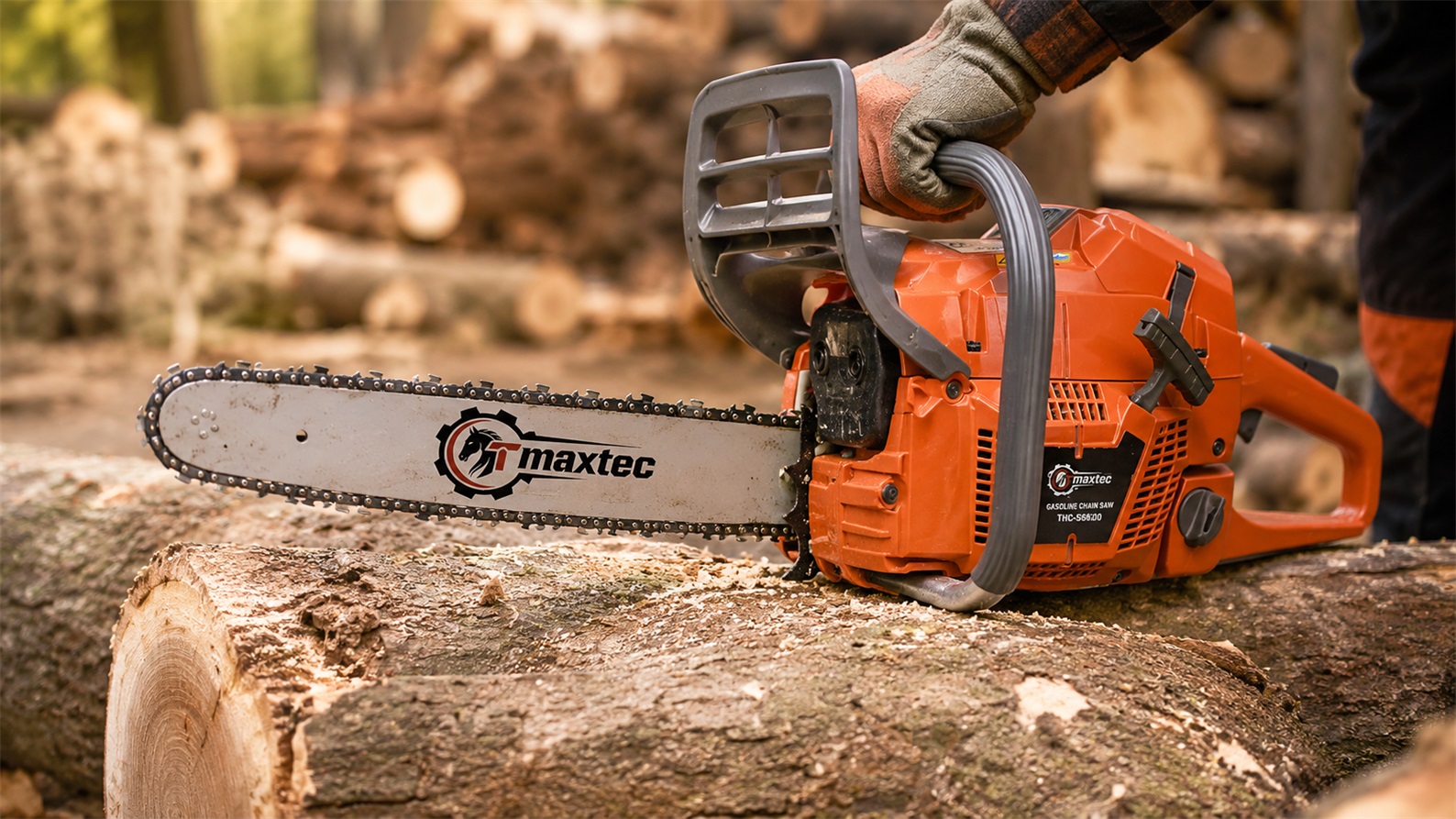
Tensioning mistakes, loose guide-bar hardware, poor lubrication and worn cutting-system parts are the most common reasons a chainsaw chain repeatedly becomes slack or jumps off the bar.
A chainsaw chain usually keeps coming loose because it was tensioned incorrectly, the guide bar was not secured firmly, or the chain, guide bar and drive components are wearing unevenly. Heat expansion and the running-in period of a new chain can also create temporary slack during cutting.
For operators, a repeatedly loose chain is a safety issue. For dealers and importers, it can create returns, warranty claims and incorrect spare-parts orders. The chain, guide bar, sprocket, tensioner and lubrication system should therefore be inspected as one connected cutting system.
|
Quick Answer
A chainsaw chain normally keeps loosening because the bar tip was not raised during adjustment, the bar nuts are loose, the chain is new and still running in, or the bar, sprocket, tensioner and lubrication system are worn or incorrectly matched. Stop the saw if the drive links hang below the guide bar or the chain begins leaving the bar groove. |
When Is a Loose Chainsaw Chain Dangerous?
A correctly tensioned chain should remain seated in the guide-bar groove while still moving smoothly by hand when the engine is stopped, the chain brake is released and protective gloves are worn.
Stop using the chainsaw when:
|
Immediate Stop Signs
|
Possible Damage
|
Why Does a New Chainsaw Chain Loosen So Quickly?
A new saw chain normally requires more frequent tension checks during its initial operating period. Rivets and connecting surfaces settle as the chain begins moving around the guide bar and drive sprocket, making the chain slightly longer.
This running-in effect does not automatically mean the chain is defective. The operator should check the tension after the first few minutes of cutting and continue inspecting it regularly during early use.
Was the Chain Adjusted with the Bar Tip Raised?
One of the most common tensioning mistakes is adjusting the chain while the guide bar is hanging in its lowest position. The guide bar can move slightly around its mounting studs. During cutting, contact with the wood may push the bar upward and immediately reduce the chain tension.
| 1 | Stop the engine, release the chain brake and loosen the bar nuts slightly. |
| 2 | Raise and hold the guide-bar tip in its normal cutting position. |
| 3 | Turn the tensioner until the chain sits against the underside of the bar without visible sagging. |
| 4 | Keep the bar tip raised while tightening the bar nuts securely. |
| 5 | Pull the chain around the guide bar by hand while wearing gloves and confirm smooth movement. |
Do not compensate for repeated loosening by overtightening the chain. Excessive tension increases friction and can accelerate wear on the guide bar, sprocket, clutch, crankshaft bearings and chain drive links.
Can Loose Bar Nuts Cause Immediate Chain Slack?
The bar nuts clamp the guide bar and clutch cover against the chainsaw body. If they cannot provide enough clamping force, the bar may move backward under cutting load and the chain will become loose almost immediately.
Common causes include:
- Bar nuts were not tightened after adjustment
- Sawdust or oil residue prevents the guide bar from sitting flat
- The clutch cover was installed incorrectly
- Mounting studs or nuts have damaged threads
- Incorrect washers or replacement nuts were used
- Vibration loosens damaged mounting hardware
Remove the clutch cover and clean the bar mounting surface before reassembly. A nut that appears tight but does not clamp the bar securely should be replaced rather than repeatedly tightened.
Does Chain Heat Cause Temporary Slack?
A saw chain becomes warmer during cutting because it moves rapidly around the guide bar and contacts the wood. As the metal heats, the chain expands and may become slightly looser.
A small tension change during a long cutting session can be normal. Frequent or excessive loosening may instead indicate poor lubrication, a dull chain, overtight bar rails or abnormal friction in the cutting system.
Can Poor Lubrication Make a Chainsaw Chain Stretch?
Insufficient bar and chain oil increases friction between the drive links, guide-bar rails, nose sprocket and drive sprocket. The resulting heat accelerates component wear and causes the chain to require repeated adjustment.
| Lubrication Problem | Likely Effect | Recommended Check |
|---|---|---|
| Low or empty oil tank | Chain and bar run dry | Refill and verify oil delivery before cutting |
| Blocked chainsaw oil outlet | Oil cannot reach the guide bar | Remove the bar and clean the outlet |
| Blocked guide-bar oil hole | Bar rails receive insufficient lubrication | Clean both the oil hole and bar groove |
| Damaged pump or hose | Oil flow remains weak after cleaning | Inspect pump drive, hose and filter |
| Unsuitable oil viscosity | Poor flow in cold conditions or excessive loss in heat | Match chain oil to the working temperature |
A chain running without sufficient lubrication may become hot, stiff, discolored or difficult to pull by hand. Repeated retensioning will not correct the problem until oil flow is restored.
Is the Chain Correct for the Guide Bar?
A replacement chain must match more than the nominal guide-bar length. The chain pitch, gauge and number of drive links must match the guide bar and drive sprocket.
|
PITCH
Sprocket compatibility The chain pitch must match the drive sprocket and guide-bar nose sprocket. |
GAUGE
Bar-groove fit Incorrect gauge may create excessive side movement or prevent the chain from entering the groove. |
DRIVE LINKS
Correct chain length Too many drive links may leave the chain loose even when the tensioner reaches its limit. |
Dealers should avoid selling chains only as “20-inch chain” or “22-inch chain.” Two chains with the same nominal bar length may still use different pitch, gauge or drive-link counts.
|
Recommended Model Reference
TM-CS365 Gasoline Chain SawThe TM-CS365 is available with 20-inch and 22-inch guide-bar options and a listed 3/8-inch chain pitch. Gauge and drive-link count should be confirmed for the exact ordered configuration. |
Confirm the complete cutting-system specification before ordering spare chains.
|
Can a Worn Guide Bar Make the Chain Come Off?
A worn guide bar can no longer support the chain correctly, even when the chain tension appears acceptable. Uneven rails allow the chain to lean during cutting and may lift the drive links out of the groove.
|
|
The guide-bar groove and oil holes should be cleaned regularly. When the bar design permits, turning the bar over periodically helps both rails wear more evenly. A severely bent or worn bar should be replaced before a new chain is installed.
Can a Worn Sprocket Affect Chain Tension?
The drive sprocket transfers engine power to the chain. As it wears, grooves develop where the drive links contact the sprocket. This can cause irregular chain movement and prevent tension from remaining stable.
A worn sprocket may cause:
- Clicking or vibration during cutting
- Uneven chain movement
- Rapid drive-link wear
- Chain jumping near the clutch area
- Difficulty maintaining correct tension
Inspect the sprocket whenever a chain is replaced. Installing a new chain on a deeply worn sprocket may damage the replacement chain and shorten its service life.
Is the Chain Tensioner Damaged?
The tensioner moves the guide bar forward and backward. If its pin is not seated in the guide-bar adjustment hole, turning the screw may not move the bar correctly.
Other possible tensioner faults include:
- Bent tensioner pin
- Stripped adjustment screw
- Damaged tensioner gear
- Missing internal parts
- Sawdust blocking tensioner movement
- Incorrect clutch-cover installation
- Tensioner already at the end of its range
Remove the clutch cover and observe whether the pin moves smoothly when the adjustment screw is turned. Do not force a difficult screw because this may damage the tensioner gear or threads.
Does Cutting Brush Make a Chainsaw Chain Come Off?
Thin branches, flexible brush and tangled vegetation can enter the area between the chain, guide bar and sprocket. The material may pull the chain sideways or lift the drive links out of the groove.
For grass, flexible weeds and clusters of thin stems, a brush cutter or hedge trimmer may be more suitable. Chainsaw dealers should explain application limits clearly in agricultural markets where operators often try to use one machine for several jobs.
Chain-Loosening Diagnostic Comparison
| Observed Problem | Likely Cause | First Check | Parts Potentially Needed |
|---|---|---|---|
| New chain loosens gradually | Normal running-in | Retension after a short cutting period | Usually none |
| Chain becomes loose immediately | Bar tip not raised or bar nuts loose | Repeat the complete tensioning process | Bar nuts or mounting studs |
| Chain heats and repeatedly stretches | Insufficient lubrication or dull cutters | Check oil flow and chain condition | Oil pump, hose, chain or guide bar |
| Chain leans or cuts crooked | Uneven guide-bar rails or cutter wear | Inspect bar rails and cutter lengths | Guide bar and chain |
| Chain clicks near the clutch | Worn sprocket or damaged drive links | Remove the cover and inspect engagement | Sprocket, clutch drum or chain |
| Tensioner screw turns without adjustment | Pin disengaged or tensioner damaged | Inspect the tensioner under the cover | Pin, screw or tensioner assembly |
What to Check Before Installing Another Chain
- Stop the engine and allow the cutting system to cool.
- Confirm the chain pitch, gauge and drive-link count.
- Inspect the drive links for bending, cracks or heavy wear.
- Clean the guide-bar groove and oil holes.
- Inspect the bar rails and nose sprocket.
- Check the drive sprocket for deep wear marks.
- Confirm that the tensioner pin enters the guide-bar hole.
- Raise the bar tip while setting the tension.
- Tighten the bar nuts securely.
- Check chain movement by hand while wearing gloves.
- Confirm that chain oil reaches the guide bar.
- Recheck the tension after a short cutting test.
Do not reuse a chain with damaged drive links, stiff joints, cracked components or excessive wear. A chain that has jumped off several times should be inspected carefully before being reinstalled.
Importer and Dealer Cutting-System Checklist
Many chainsaw after-sales complaints are caused by mismatched chains, bars and sprockets rather than engine failure. Importers should record the full cutting-system specification for every model and configuration.
| Purchasing Check | What to Confirm | Main Risk |
|---|---|---|
| Chain specification | Pitch, gauge and drive-link count | Chain cannot be tensioned correctly |
| Guide-bar specification | Length, groove gauge and mounting pattern | Incorrect bar fit |
| Sprocket compatibility | Pitch, rim or spur type and clutch-drum design | Poor chain engagement |
| Lubrication system | Oil pump, hose, filter and bar oil-hole alignment | Heat and early wear |
| Service hardware | Bar nuts, studs, tensioner and clutch cover | Long repair delays |
| Packaging accuracy | Correct spare chain packed with each model | Customer receives incompatible parts |
| After-sales documents | Exploded drawing and compatibility list | Dealers cannot identify correct parts |
| Repeat-order consistency | Same cutting-system configuration across orders | Existing spare stock becomes unusable |
Frequently Asked Questions
Is it normal for a new chainsaw chain to loosen?
Yes. A new chain may loosen as the rivets and connecting surfaces settle. Check the tension after the first few minutes of cutting and retension it with the guide-bar tip raised.
How tight should a chainsaw chain be?
The chain should sit against the underside of the guide bar without visible sagging. It should still move smoothly by hand when the engine is stopped, the brake is released and gloves are worn.
Why does my chainsaw chain loosen after it gets hot?
Metal expansion creates temporary slack. Excessive loosening may also indicate poor lubrication, a dull chain, abnormal guide-bar friction or worn drive components.
Can the wrong chain size make the chain keep coming off?
Yes. Incorrect pitch, gauge or drive-link count can prevent proper engagement and tensioning. Bar length alone is not enough to identify a replacement chain.
Should a new chain be installed on an old sprocket?
The sprocket should be inspected first. Deep wear grooves can prevent smooth chain engagement and quickly damage a new chain.
What chainsaw spare parts should dealers keep?
Dealers commonly need compatible chains, guide bars, sprockets, clutch drums, needle bearings, bar nuts, studs, tensioner assemblies, oil pumps and oil hoses.
How can importers reduce chain-related complaints?
Maintain accurate compatibility records, keep repeat-order specifications consistent, supply clear tensioning instructions and stock matched chains, bars and sprockets for each model.
|
Wholesale Chainsaw Supply
Confirm the Chain, Guide Bar and Sprocket as One SystemFor importers and dealers, Teamax Power can confirm suitable chainsaw configurations and compatible cutting-system parts according to guide-bar length, chain specification and local market requirements.
|