
Lawn Mower Leaving Uncut Strips? Causes and Cutting Fixes
Learn why a lawn mower leaves uncut strips or uneven grass, how to check the blade, deck, mowing speed, height settings, and model suitability.
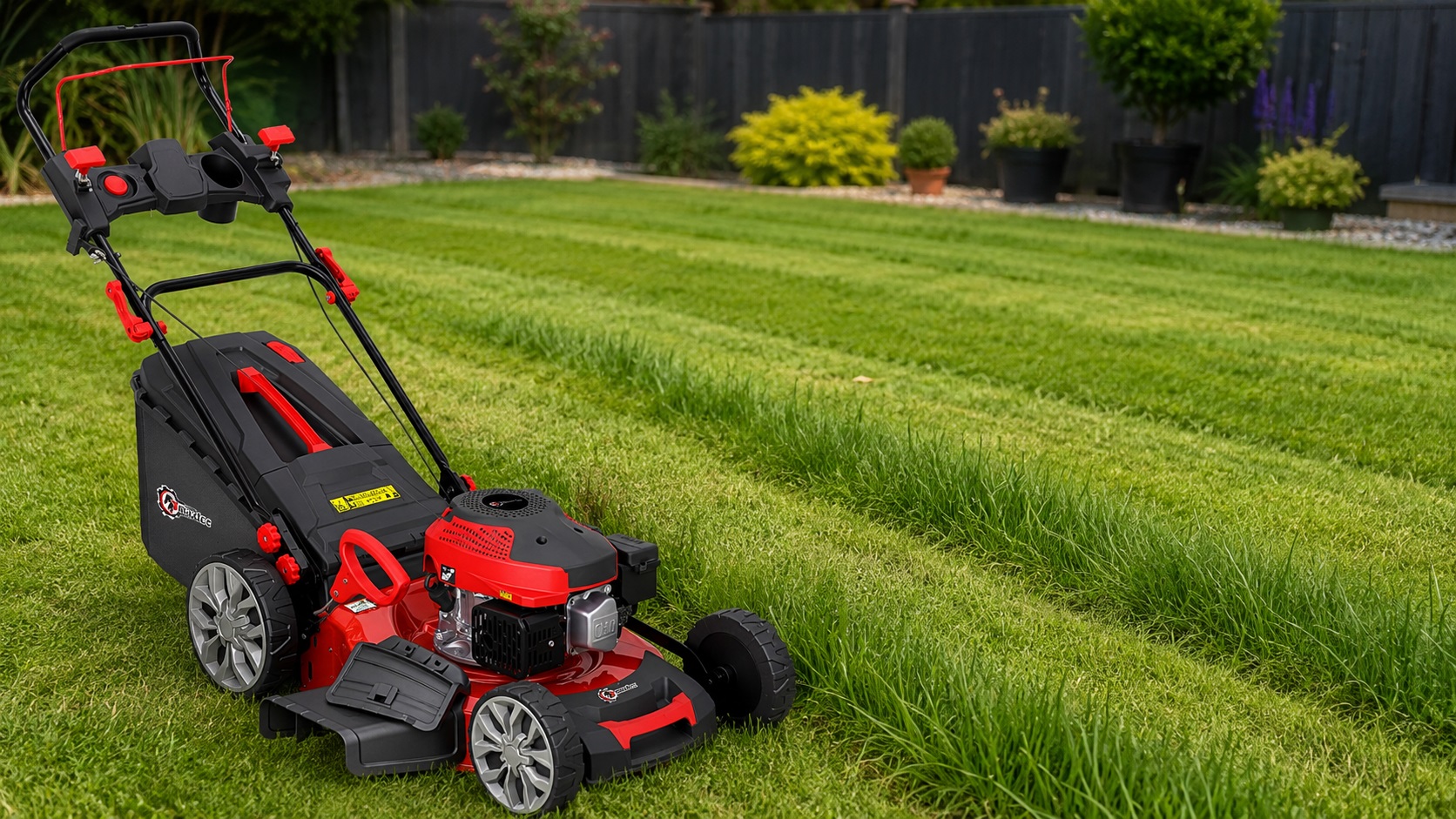
Dealer Troubleshooting & Model Selection Guide
A lawn mower leaving uncut strips usually has a problem with pass overlap, blade condition, cutting-height setup, deck airflow, grass moisture, or operating speed. The shape of the missed grass is often the fastest way to identify whether the complaint comes from operator technique, a damaged cutting component, or a mower that does not match the customer’s lawn.
For importers and garden machinery dealers, uneven cutting should not be treated only as an end-user problem. Cutting-width selection, blade availability, height-adjustment consistency, grass-bag capacity, dealer training, and sample testing all influence after-sales complaints. A mower that starts easily can still create returns if it leaves visible lines, clumps, or random patches of tall grass.
| Quick answer: | When a lawn mower leaves uncut strips, first mow a test area more slowly and overlap the previous pass by part of the deck width. If the strip remains, stop the engine, disconnect the spark plug, empty the grass bag, clean the deck, confirm that all wheel-height settings are equal, and inspect the blade for dullness, bending, looseness, or incorrect installation. Importers can reduce repeat complaints by testing cutting consistency on local grass, stocking replacement blades and wheel parts, and matching the mower width and height range to the destination market. |
Safety before inspection: Stop the engine, wait for all moving parts to stop, disconnect the spark plug, and place the mower on a stable surface. Never reach beneath the deck while the blade can still move. Do not attempt to straighten a bent blade with a hammer.
01What the Uncut Grass Pattern Usually Means
The location and shape of the missed grass provide useful diagnostic information. Before removing parts or adjusting the engine, ask the operator to describe whether the mower leaves a continuous narrow line, random patches, a higher strip on one side, or missed grass mainly during turns.
| Observed Pattern | Likely Cause | First Check | Dealer Advice |
| Narrow line between every pass | Insufficient mowing overlap | Repeat the test with a wider overlap | Demonstrate the correct mowing path at delivery |
| Random tall patches | Wet grass, excessive speed, dull blade, or deck blockage | Slow down and inspect the underside of the deck | Explain grass and moisture limitations before resale |
| One side consistently higher | Uneven wheel setting, bent blade, damaged adapter, or distorted deck | Compare wheel positions on a flat surface | Inspect height mechanisms during sample approval |
| Strips mainly during turns | Turning too sharply or moving too quickly | Make wider, slower turns | Include turning technique in operating guidance |
| Torn tips and uneven finish | Dull or damaged cutting edge | Remove and inspect the blade safely | Stock the correct replacement blade and adapter |
A narrow line between two otherwise clean passes is normally an operating issue. Random patches or a consistently uneven side deserve a closer mechanical inspection. Dealers should record the cutting pattern before replacing engine parts because many complaints can be resolved without carburetor adjustment.
02Check Mowing Overlap Before Opening the Machine
Operators sometimes guide one wheel directly along the edge of the previous pass. The external deck width, however, is not always identical to the effective cutting path. Grass can bend away from the blade, and wheels may flatten flexible vegetation before it reaches the cutting chamber.
Move the mower so that part of the deck travels over the previously cut area. Taller, soft, or dense grass may require more overlap than short, dry lawn grass. The operator should also keep the mower straight instead of making frequent steering corrections that create small gaps between passes.
|
Straight-line test Mow a short test section slowly with a visibly wider overlap. If the strip disappears, the blade and engine may be operating normally. |
Turn test Make wider turns and reduce walking speed. Strips that appear only around corners often come from sharp steering rather than blade failure. |
Dealer delivery check Show the buyer the real cutting path, suitable walking speed, and correct height setting before handing over the mower. |
Complaints described as poor cutting performance are sometimes caused by unfamiliar operation. A two-minute mowing demonstration can prevent unnecessary returns, especially when customers are moving from manual cutting tools to a wheeled petrol mower.
03Blade, Deck and Height Checks for Uneven Cutting
If greater overlap does not solve the problem, inspect the cutting system. A sharp, correctly installed blade creates a more consistent cut. A dull blade can tear grass, leave standing fibers, and make the lawn appear uneven even when the mower follows the correct path.
|
|
A blade installed upside down may move air incorrectly and cut poorly. The raised or curved section normally faces the inside of the deck, but the correct orientation must be confirmed for the actual mower design. After sharpening, the blade should be balanced to reduce vibration and stress on the blade adapter and crankshaft.
If the mower begins leaving strips immediately after hitting a stone, root, curb, or metal object, inspect the blade before changing the carburetor. Also check whether the impact bent the blade adapter, wheel bracket, or deck.
Uneven height settings can tilt the deck and make one side cut lower. Place the mower on a flat surface, confirm that all adjusters are fully seated, and inspect for loose wheels, bent brackets, worn wheel bushes, or wheels of different diameters. After disconnecting the spark plug, rotate the blade carefully and compare the distance from each blade tip to the same level surface.
04Wet Grass, Low Cutting Height and Excessive Walking Speed
Wet grass is heavier and more likely to stick beneath the deck. As the layer becomes thicker, airflow around the blade is restricted and clippings cannot move smoothly toward the bag or discharge opening. The result may be random uncut patches, clumps on the lawn, reduced collection performance, increased engine load, or grass dropping from the deck after the mower stops.
Empty the grass bag before it becomes tightly packed. A full bag restricts discharge flow and causes clippings to circulate beneath the deck. Cleaning the deck after mowing is especially important in humid markets, rainy seasons, dense grass, and fast-growing lawns.
Trying to remove too much height in one pass also overloads the cutting chamber. When grass is unusually tall, begin with a higher cutting position, reduce walking speed, and make a second pass at a lower setting when necessary. Cutting too low on uneven ground can scalp raised areas while leaving taller grass in depressions and wheel tracks.
Check engine speed only after reducing cutting load
If the engine speed falls in dense grass, slow down and allow less uncut vegetation to enter the deck. A blocked air filter, stale fuel, incorrect throttle operation, or unsuitable blade may also reduce power, but operating speed, deck blockage, and grass height should be checked first.
05Which Lawn Mower Width Fits Your Market?
A wider cutting deck is not automatically the better wholesale choice. Compact mowers are easier to guide around trees, narrow paths, flower beds, garden furniture, and small residential lawns. Wider models reduce the number of passes on open lawns but require more storage space and may be harder for some users to maneuver.
Importers should compare cutting width, cutting-height positions, grass-bag capacity, discharge functions, replacement-blade availability, customer strength, transport method, and average lawn size. The following model comparison can help structure a mixed lawn mower order.
| Model | Cutting Setup | Recommended Application | Buying Focus |
| TM400P | 400 mm cutting width; three cutting-height positions | Smaller lawns and straightforward residential cutting | Compact maneuverability and simple height requirements |
| TM410P | 410 mm width; five height positions; metal deck; 35 L fabric bag | Routine residential lawn maintenance | Collection performance and adjustment consistency |
| TM410S | 410 mm width; five height positions; metal deck; 35 L fabric bag | Residential users requiring a 410 mm platform | Market preference, mower configuration, and spare-part support |
| TM460P | 460 mm width; seven height positions; 50 L fabric bag | Medium-sized lawns and buyers wanting more height options | Walking speed, bag capacity, and wider-deck handling |
| TM510P | 510 mm width; seven height positions; 55 L bag; listed four-in-one discharge system with mulching | Larger open lawns and users requiring multiple discharge functions | Collection, rear discharge, side discharge, mulching, and maneuverability |
06Recommended Lawn Mower Models for Different Applications
|
COMPACT MODEL TM400P Hand Push Petrol Lawn MowerThe 400 mm cutting width and three height positions suit smaller lawns, narrow access areas, and markets where users prefer a simple, compact mower. Buyers should confirm whether three height options are sufficient for local grass conditions. |
|
|
RESIDENTIAL COLLECTION TM410P Lawn MowerA 410 mm cutting width, five height positions, metal deck, and 35-liter fabric bag make this model relevant for routine residential maintenance. Importers should test bag filling and deck buildup with local grass. |
|
410 MM ALTERNATIVE TM410S Lawn MowerThis model also uses a 410 mm cutting width, five height positions, a metal deck, and a 35-liter fabric grass bag. Dealers can compare the full configuration and local resale preference when selecting between 410 mm models. |
|
|
BALANCED WHOLESALE OPTION TM460P Petrol Lawn MowerThe 460 mm cutting width, seven height positions, and 50-liter fabric bag can suit medium-sized lawns. The wider deck improves coverage, but dealers should still train users to slow down in wet or dense grass. |
|
|
LARGER OPEN LAWNS TM510P 20-Inch Lawn MowerThe 510 mm cutting width, seven height positions, 55-liter grass bag, and listed four-in-one discharge system with mulching suit buyers who need higher open-area productivity and multiple clipping-management options. |
|
07A Practical Diagnostic Order for Dealers and Repair Shops
When a petrol lawn mower leaves uncut strips, use a fixed inspection sequence. This reduces unnecessary part replacement and helps the dealer separate operating problems from blade, deck, wheel, or engine faults.
- Step 1 — Correct the mowing path: Test the mower at a slower walking speed and increase overlap between passes.
- Step 2 — Restore airflow: Empty the grass bag and remove accumulated clippings from the deck and discharge area.
- Step 3 — Level the mower: Confirm that all cutting-height positions are equal and that wheels and brackets are secure.
- Step 4 — Inspect the blade: Check for dullness, bending, looseness, cracks, incorrect installation, or trapped debris.
- Step 5 — Check power under load: Investigate fuel, air-filter, ignition, or engine problems only after cutting load and deck condition have been ruled out.
Repair shops should ask whether the complaint began after an impact, a blade replacement, a height adjustment, mowing wet grass, or moving to a wider mower. The timing of the complaint often identifies the most relevant inspection point.
08Importer and Dealer Lawn Mower Checklist
Cutting consistency should be evaluated during sample approval and pre-shipment inspection, not only after customer complaints begin. Use representative grass and test the mower under conditions similar to the destination market.
| Before Ordering | Before Shipment or Resale |
|
|
Dealers can reduce after-sales complaints by stocking the correct blade, blade adapter, wheel components, height-adjustment parts, air filters, and routine service items. Repeat-order consistency is also important: changes in wheel position, blade profile, deck shape, or bag connection can affect cutting performance and spare-part compatibility.
09Frequently Asked Questions
1. Why does my lawn mower leave a strip of uncut grass between passes?
The most common reason is insufficient overlap. The effective blade path can be narrower than the outside deck width, and the wheels may flatten grass near the edge. Mow a test strip more slowly while overlapping part of the previous pass.
2. Can a dull blade make a lawn mower leave uncut strips?
Yes. A dull or damaged blade may tear grass, leave standing fibers, and create an inconsistent finish. Inspect the blade for worn edges, impact damage, bending, cracks, looseness, incorrect installation, and poor balance after sharpening.
3. Why does the mower cut lower on one side?
Check whether all wheel-height positions are equal. Also inspect the wheel brackets, wheel bushes, blade, blade adapter, deck, and crankshaft. A mower that is not level can leave one side of the lawn consistently higher.
4. Should I mow wet grass with a petrol lawn mower?
Wet grass can be mowed, but it increases deck buildup, collection problems, engine load, clumping, and missed patches. Better results usually come from mowing drier grass, using a higher setting, reducing walking speed, and cleaning the deck and discharge area frequently.
5. Which lawn mower model is suitable for a small residential lawn?
A compact model such as the TM400P lawn mower, with a 400 mm cutting width and three cutting-height positions, may suit smaller lawns and uncomplicated cutting requirements. Local grass height and obstacle density should still be considered.
6. What spare parts should lawn mower dealers keep in stock?
Useful service stock includes replacement blades, blade adapters, mounting hardware, wheels, wheel bushes, height-adjustment components, air filters, spark plugs, control cables, and bag-connection parts. Stock should match the exact models being sold.
7. What should importers inspect before a bulk lawn mower order?
Inspect deck level, wheel-height engagement, blade installation, vibration, bag collection, cutting consistency, packaging protection, spare-part supply, and repeat-order specification consistency. Testing only whether the engine starts is not enough to confirm mowing performance.
A lawn mower leaving uncut strips is usually corrected by improving overlap, slowing the mowing speed, cleaning the deck, leveling the height settings, or servicing the blade. For distributors, the long-term solution is to combine correct model selection with clear operating guidance, local grass testing, practical spare-parts planning, and consistent bulk-order inspection.
Need a Balanced Lawn Mower for Wholesale Resale?Review the TM460P petrol lawn mower for a 460 mm cutting width, seven cutting-height positions, and a 50-liter fabric grass bag. Confirm your target lawn size, grass conditions, required spare parts, and order configuration before bulk purchasing. |
|