
Brush Cutter Bogging Down or Too Heavy? Choose the Right Size
Learn how brush cutter engine size affects cutting load, operator fatigue, and dealer selection, from light trimming to thicker weeds and farm maintenance.
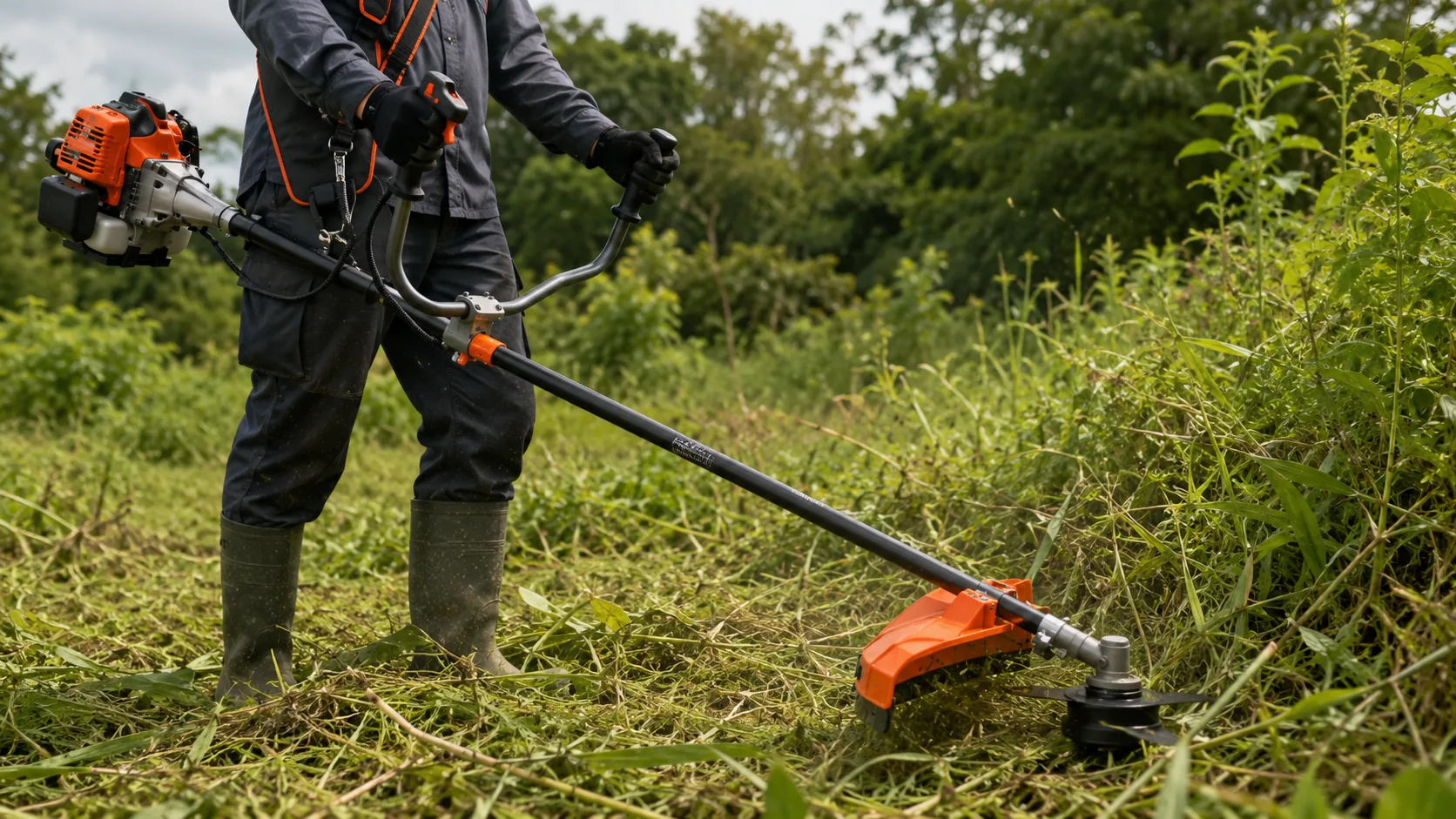
Engine Size Selection Guide for Importers and Dealers
A brush cutter that repeatedly slows down in thick weeds may be too small for the workload. However, selecting a larger engine automatically can create different problems, including higher fuel consumption, increased operator fatigue, a higher retail price, and poor suitability for detailed garden work.
For importers and dealers comparing a 26cc vs 33cc vs 43cc brush cutter, the correct decision depends on vegetation density, cutting attachment, working duration, operator experience, local price expectations, and the availability of spare parts. The objective is not to stock the largest machine. It is to match each engine size to a clear customer application.
| Selection Summary |
Quick answer: Choose a 26cc brush cutter for regularly maintained grass, edging, and lighter garden work. Select a 33cc model when customers need one machine for mixed residential, landscaping, and moderate farm use. A 43cc machine is more suitable for tall weeds, seasonal field clearing, and frequent metal-blade work. Before blaming engine size for bogging down, inspect the air filter, fuel supply, nylon line length, blade condition, gearbox resistance, and cutting technique. Importers can reduce returns by testing every model in realistic vegetation and selling each displacement for a clearly defined application. |
01. What Brush Cutter Bogging Down Usually Means
Bogging down means engine speed drops noticeably when the nylon head or blade enters grass, weeds, or light brush. The engine may continue running, but the cutting attachment loses enough speed that the operator must reduce the cutting width, lift the machine, or wait for the engine to recover.
An undersized engine is one possible cause, particularly when a light trimming model is used continuously in tall, wet, or fibrous vegetation. It is not the only cause. A blocked air filter, incorrect fuel mixture, restricted fuel flow, excessive nylon line length, unsuitable blade, grass wrapped around the gear case, or poor operating technique can create the same symptom.
Test the brush cutter without a cutting load before changing to a larger model. If the engine speed is unstable while the attachment is clear of vegetation, troubleshoot the fuel, air, ignition, carburetor, and exhaust systems first. When the engine runs cleanly without load but repeatedly loses speed only in heavy vegetation, the machine may be operating beyond its practical capacity.
| Observed Symptom | Likely Explanation | First Dealer Check |
| Engine runs poorly with no cutting load | Fuel, air, ignition, carburetor, or exhaust restriction | Inspect maintenance condition before comparing displacement |
| Engine loses speed only in dense weeds | Workload may exceed the model’s practical cutting capacity | Reduce cutting width and compare a larger engine under identical conditions |
| Speed falls after nylon line is extended | Excess line length is creating unnecessary aerodynamic load | Confirm guard and line-cutting blade installation |
| Machine cuts slowly with a metal blade | Blade may be blunt, damaged, unbalanced, or unsuitable | Inspect blade type, sharpness, mounting direction, and gearbox rotation |
02. Application Comparison: 26cc, 33cc, and 43cc
Engine displacement should be presented as an application category rather than a simple power ranking. Most retail customers cannot evaluate clutch engagement, shaft construction, gearbox ratio, or carburetor calibration, but they can describe the vegetation they cut, how frequently they work, and whether they prefer a nylon head or metal blade.
| Engine Class | Recommended Application | Buying Focus | Common Misuse |
| 26cc class | Regular grass trimming, edging, residential gardens, property maintenance | Handling, balance, easy control, entry-level price | Continuous cutting in tall, wet, or mature weeds |
| 33cc class | Mixed garden work, contractors, moderate weeds, small farms | Versatility with nylon heads and metal blades | Treating it as a heavy brush-clearing machine |
| 43cc class | Tall weeds, seasonal clearing, orchards, farms, light brush | Reserve power, shaft strength, harness, vibration, service parts | Selling it for detailed edging where lower weight matters more |
03. When a 26cc Brush Cutter Is the Right Size
A 26cc-class brush cutter is generally suitable for light grass trimming, lawn edges, pathways, trees, fences, residential properties, and areas maintained frequently. It can be a practical choice when easy handling and accurate cutting control are more important than fast clearing of dense vegetation.
| 26 CC CLASS |
TM-CG260TG Gasoline Brush CutterModel: TM-CG260TG Recommended for regular garden maintenance, grass trimming, lawn edges, and buyers who prioritize lower handling effort. Dealers can position it as an entry-level petrol model rather than a machine for heavily overgrown fields.
|
This engine size may suit homeowners, part-time users, landscaping shops, and retailers serving customers who cut smaller areas regularly. It can also reduce fatigue during detailed work where the operator frequently changes direction or trims around obstacles.
Complaints usually appear when a light-duty model is fitted with an aggressive blade and pushed into tall, wet, or fibrous weeds for long periods. The machine may still finish the job, but productivity falls because the operator must use a narrower cutting sweep and wait for engine speed to recover.
04. Why a 33cc Model Fits a Wider Customer Base
A 33cc-class brush cutter often fills the gap between residential trimming and regular agricultural maintenance. It can suit customers who cut ordinary grass most of the time but occasionally face taller weeds, mixed vegetation, or less frequently maintained areas.
General-Purpose Model Recommendation
Product: TM-CG330TG Brush Cutter
Model: TM-CG330TG
Listed configuration: 32.6cc two-stroke engine, 26mm shaft, 1500mm working shaft, and 750ml fuel tank.
This model is intended for grass cutting, weed trimming, garden maintenance, contractor work, and moderate farm use. It is a practical option for dealers who want one engine class that can serve residential buyers, landscaping teams, and small farms without moving directly to a heavier 43cc machine.
| View the 33cc Model |
The benefit of the 33cc class is not simply a higher displacement number. A correctly matched mid-range machine can maintain cutting speed more consistently than a smaller model, allowing a normal sweeping motion instead of repeated stops to recover engine speed.
Importers should still define its limitations. Thick woody stems, mature brush, and heavily overgrown fields may require a larger engine, a suitable metal blade, a stronger shaft system, and more careful gearbox evaluation.
05. When a 43cc Brush Cutter Is the Better Choice
A 43cc-class brush cutter is more appropriate when the main workload includes tall grass, mature weeds, seasonal field clearing, orchard maintenance, or light brush. It may also suit professional users who work with metal blades regularly and need more reserve power when vegetation becomes dense.
|
Heavy-Duty Application Match TM-CG430TG Gasoline Brush CutterModel: TM-CG430TG Recommended for farm maintenance, dense weeds, seasonal clearing, orchards, rural resale markets, and users who frequently operate with suitable metal blades. |
Compare shaft size, fuel capacity, balance, and intended vegetation before ordering.
|
The trade-off is that greater engine capacity does not automatically create a better user experience. Total machine weight, fuel load, handlebar position, harness quality, vibration, cutting attachment, and overall balance determine whether the machine remains comfortable during longer work periods.
Importers should therefore compare complete machines rather than engine displacement alone. A poorly balanced 43cc brush cutter can generate more complaints than a correctly configured mid-range model, even when the larger engine has sufficient cutting power.
06. Why Customers Say a Brush Cutter Is Too Heavy
Operator fatigue often comes from poor balance or adjustment rather than engine size by itself. A machine can feel unnecessarily heavy when weight is concentrated at the engine end, the handlebar is positioned incorrectly, or the harness does not transfer the load effectively.
Adjustment-Related Fatigue
|
Application-Related Fatigue
|
Before deciding that a model is too heavy for the target market, test the complete configuration with the standard guard, intended blade or nylon head, correctly fitted harness, and a realistic fuel level. Testing an incomplete sample or poorly adjusted machine can produce a misleading conclusion.
07. Cutting Attachments Can Make the Correct Engine Look Underpowered
The cutting attachment changes the load placed on the engine. A nylon head used for ordinary grass creates a different operating load from a metal blade cutting dense weeds. An unsuitable attachment can make a correctly sized brush cutter appear weak.
Excessively long nylon line increases air resistance and pulls engine speed down. A damaged, blunt, unbalanced, or incorrectly installed blade increases cutting resistance and transfers unnecessary vibration through the gearbox and shaft.
- Check 1: Keep nylon line within the recommended operating length.
- Check 2: Match the blade type to grass, weeds, or light brush.
- Check 3: Confirm that the blade is sharp, balanced, and installed in the correct direction.
- Check 4: Remove grass wrapped around the gear case or blade holder.
- Check 5: Verify the guard and line-cutting blade are fitted correctly.
- Check 6: Confirm the gearbox rotates freely without roughness or abnormal resistance.
For dealers, supplying the correct blade or nylon head with each engine class can reduce complaints about weak cutting performance. Customers frequently blame the engine even when the real problem is an unsuitable or poorly maintained attachment.
08. Importer and Dealer Bulk Order Checklist
Two brush cutters with similar displacement may perform differently because of shaft construction, clutch setup, gearbox ratio, carburetor adjustment, attachment quality, vibration control, and balance. A bulk order should therefore be evaluated as a complete operating package.
| Before Ordering | Before Shipment |
|
|
During sample testing, use the same vegetation, blade condition, operator, fuel mixture, and working time. This allows the importer to compare cutting speed, fuel consumption, vibration, engine temperature, and fatigue without confusing operating differences with product differences.
09. Building a Practical Three-Level Dealer Range
A distributor does not necessarily need equal quantities of all three engine sizes. The correct product mix depends on the local customer base, vegetation, retail price levels, service capability, and the proportion of residential versus agricultural users.
Markets dominated by homeowners, landscaping shops, and frequent garden maintenance may require a larger share of 26cc and 33cc units. Markets focused on farms, plantations, roadside clearing, and seasonal weed control may have stronger demand for 43cc models.
| ENTRY LEVEL 26cc Class Regular grass and lighter garden work | GENERAL PURPOSE 33cc Class Mixed residential, landscaping, and farm use | HEAVIER WORK 43cc Class Dense weeds, field maintenance, and light brush |
This application-based structure is easier for sales staff and end users to understand than displacement alone. It also reduces the risk of undersized machines being sold for heavy workloads and oversized machines being recommended for light trimming.
Frequently Asked Questions
01What size brush cutter is suitable for ordinary garden grass?
A 26cc-class brush cutter is usually suitable for regularly maintained grass, lawn edges, pathways, trees, fences, and residential gardens. A 33cc model may be preferable when the same customer occasionally cuts taller weeds or larger areas.
02Does brush cutter bogging down always mean the engine is too small?
No. A dirty air filter, restricted fuel flow, incorrect fuel mixture, carburetor problem, excessive nylon line, blunt blade, wrapped grass, gearbox resistance, or poor cutting technique can also cause the engine to lose speed under load.
03Is a 33cc brush cutter suitable for farm use?
A 33cc model can suit small farms, mixed grass, moderate weeds, and users who alternate between a nylon head and suitable metal blade. It should not automatically be promoted for thick woody growth or heavily overgrown fields.
04When should a dealer recommend a 43cc brush cutter?
A 43cc brush cutter is more appropriate for tall weeds, seasonal farm clearing, orchard maintenance, roadside vegetation, and regular metal-blade work. Dealers should also explain the additional weight, fuel use, harness requirements, and maintenance expectations.
05How can dealers reduce complaints that a brush cutter is too heavy?
Set up the sample with the correct harness, handlebar position, guard, cutting attachment, and realistic fuel level. Train sales staff to match engine size to the customer’s actual vegetation instead of recommending the largest model by default.
06What spare parts should importers stock for these brush cutters?
Common service stock may include air filters, fuel lines, fuel filters, starter parts, spark plugs, carburetor components, clutches, gear cases, blade holders, guards, nylon heads, and frequently used metal blades. Compatibility should be confirmed for every ordered model.
07What should importers inspect before a bulk order?
Importers should compare real cutting performance, shaft diameter, gearbox operation, vibration, balance, starting consistency, accessory quality, carton strength, spare-parts availability, service access, model labeling, and repeat-order specification control.
Compare Brush Cutter Sizes for Your Wholesale MarketA well-structured 26cc, 33cc, and 43cc brush cutter range helps dealers match engine size to vegetation, operator expectations, and local price levels. Review the general-purpose TM-CG330TG model or compare all three configurations before confirming a bulk order. |
|