
Why Does a 4-Stroke Brush Cutter Make a Loud Ticking Noise?
A 4-stroke brush cutter ticking noise may come from low oil, loose covers, valve clearance, or the clutch area. Follow a safe inspection order.
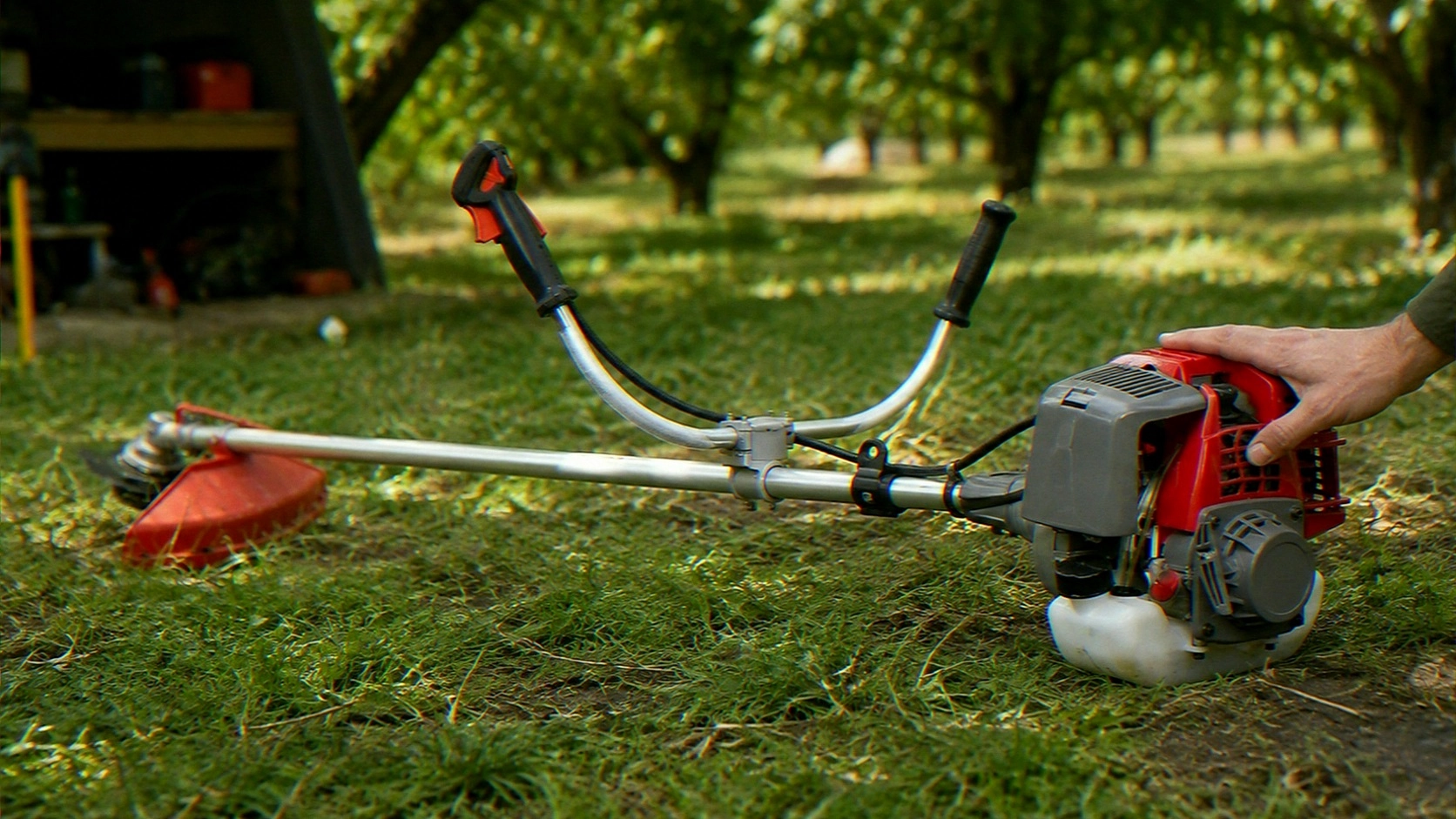
Field Service Diagnosis
4-Stroke Brush Cutter Ticking Noise: Causes, Checks and Dealer Troubleshooting
A loud ticking noise from a 4-stroke brush cutter can come from a loose external part, an exhaust leak, an incorrect engine-oil level, excessive valve clearance, or noise transferred from the clutch and drive shaft. A light and regular mechanical sound may be normal on some compact four-stroke engines, but a new tick that becomes louder with engine speed should be inspected before further cutting.
This guide covers a repetitive ticking or tapping sound from the engine, muffler, clutch housing, or upper shaft area. It does not cover whole-machine vibration, a loose cutting blade, an overheating gearbox, or a cutting head that stops under load. Separating these symptoms prevents dealers and technicians from adjusting the valve mechanism when the real cause is a loose shield, exhaust leak, clutch component, or shaft connection.
Quick answer: Identify when the ticking begins before removing covers. A noise that follows engine speed may come from a loose cover, muffler connection, valve mechanism, or clutch area. A sound that starts only when the cutting head rotates is more likely to involve the clutch drum, drive shaft, gear case, guard, or cutting attachment. Secure external parts first, check the engine-oil level with the engine positioned correctly, and inspect the exhaust connection for soot. Valve clearance should be checked only after these simpler causes have been excluded.
| 01 Locate the sound and operating condition. | 02 Check covers, oil level, and muffler connection. | 03 Inspect valve, clutch, or shaft parts only when evidence points there. |
1. Identify Exactly When the Ticking Starts
The timing of the noise is often more useful than its volume. Before removing any covers, listen from a safe distance and note whether the ticking is present immediately after a cold start, changes as the engine warms, speeds up when the throttle opens, or begins only after the cutting head starts rotating.
Also note where the sound is strongest. The cylinder-head cover, muffler side, clutch housing, and shaft connection point toward different inspection paths.
| When the tick appears | Likely inspection area | What to observe next |
| Immediately after starting | Engine cover, muffler, valve area | Whether the sound changes as oil circulates and the engine warms |
| Directly follows engine speed | Engine, exhaust, or clutch | Whether the sound comes from the cylinder head, muffler side, or clutch housing |
| Only after the cutting head rotates | Clutch, shaft, gear case, guard, attachment | Whether the noise stops when the head becomes stationary |
| Continues briefly after throttle release | Clutch drum or rotating shaft parts | Whether the sound follows the slowing cutting attachment rather than engine speed |
2. Check Loose Parts Before Opening the Engine
A loose metal or plastic component can produce a sharp ticking sound that resembles internal engine noise. Normal engine vibration may cause a heat shield, starter housing, air-filter cover, handle clamp, or mounting bracket to tap against a nearby surface.
Allow the engine to cool and disconnect the spark-plug cap before checking the following points.
Engine-side parts
|
Shaft-side parts
|
Look for polished contact marks, enlarged screw holes, missing washers, or a cover that moves when pressed by hand. Tighten only fasteners that are visibly loose and use the correct tool.
Do not force screws into plastic housings or overtighten muffler and cylinder parts. Damaged threads may require replacement rather than additional tightening. After the external parts are secure, restart the machine outdoors and determine whether the sound has changed.
3. Verify Engine Oil and the Muffler Connection
A conventional four-stroke brush cutter stores engine oil separately from gasoline. Both insufficient oil and excessive oil can affect operation, although a ticking sound alone does not prove internal damage.
- Stop the engine and allow it to cool.
- Clean dirt from around the oil filler.
- Place the engine in the oil-checking position specified for the actual model.
- Remove the oil cap or dipstick carefully.
- Compare the level with the model instructions before adding or draining oil.
Checking the oil while the brush cutter is leaning against a wall or lying on the wrong side can produce a false reading. If the level is low, do not automatically fill the crankcase to the top of the opening. Use the correct oil specification and filling method for the supplied engine. If the level is above the recommended point, drain the excess.
Overfilling may allow oil to enter the breather or air-filter area, but it should not be assumed to be the only cause of ticking. Do not continue running a four-stroke engine with no visible oil until the lubrication requirement has been confirmed.
| Muffler evidence | Possible cause | Required response |
| Black soot near the cylinder connection | Damaged gasket or leaking joint | Inspect the gasket, surfaces, and fasteners |
| Loose muffler or missing hardware | Movement at the mounting point | Check threads and mounting condition before tightening |
| Heat shield touching the muffler | Vibration-related tapping | Correct the contact point after the engine cools |
| Sharp tick with changed exhaust tone | Possible exhaust leakage | Correct the leak before returning the machine to work |
4. Separate Valve Noise From Clutch and Shaft Noise
A four-stroke engine contains a valve-operating mechanism that is not present in the same form on a conventional two-stroke brush cutter. Valve-train design and clearance can influence mechanical noise, but not every ticking sound from a four-stroke brush cutter is a valve problem.
More likely engine or valve related
|
More likely clutch or shaft related
|
Do not remove required covers and run the engine merely to hear the mechanism more clearly. Covers may direct cooling airflow and protect the operator from hot or rotating parts.
5. Check Valve Clearance Only After Basic Causes
Valve clearance can change through wear, an incorrect previous adjustment, loose locking hardware, or servicing errors. Excessive clearance may create a tapping sound, while other incorrect settings may also affect starting, idle quality, compression, and hot operation.
The correct clearance cannot be selected from displacement alone. A 31cc four-stroke engine should not automatically be adjusted using values found for another 31cc engine, a GX-series engine, or a visually similar brush cutter.
A proper valve inspection generally requires
- A fully cold engine
- Removal of the correct valve cover
- Positioning the piston at the specified point
- A suitable feeler gauge
- The intake and exhaust specifications for the actual engine
- Rechecking the clearance after tightening
This should not be the first repair step. Loose covers, incorrect oil level, exhaust leakage, clutch noise, and shaft noise should be excluded first. If the user or dealer does not have the correct 139F service information, the valve mechanism should be inspected by a technician rather than adjusted by sound.
6. TM-CG139 Configuration and Diagnostic Relevance
The TM-CG139 configuration is relevant because it identifies the engine type, idle-speed reference, and shaft arrangement that should be considered during diagnosis.
|
Recommended Diagnostic Reference TM-CG139 4-Stroke Gasoline Brush CutterModel: TM-CG139 Listed with a 139F air-cooled engine, 31cc displacement, rated output of 0.9 kW at 7,500 rpm, a reference idle speed of 3,000 ±200 rpm, a diaphragm carburetor, and a 26mm shaft tube. |
|
Because the machine uses a four-stroke engine, the diagnosis should include engine-oil level and valve-train noise. Because it also uses a separate shaft assembly, engine noise must be distinguished from sound transferred through the clutch and 26mm shaft tube.
The idle-speed reference can help identify whether the engine is running abnormally fast, but idle speed should not be changed merely to hide a mechanical tick. Lowering the idle cannot repair a loose muffler, incorrect valve clearance, damaged clutch bearing, or loose engine mount.
Specifications are reference values. Final engine, shaft, cutting attachment, accessories, and spare-parts compatibility should be confirmed according to the supplied order configuration.
7. Importer and Dealer Pre-Delivery Checklist
A ticking complaint discovered immediately after unpacking is not always an internal engine defect. Transport, assembly, or an incorrectly prepared machine may create noise before the unit reaches the customer.
| Before engine testing | During pre-delivery running |
|
|
For spare-parts planning, importers may need model-matched muffler gaskets, rocker-cover seals, clutch components, drive shafts, bearings, starter housings, and engine-mounting hardware.
Compatibility should be checked against the selected 139F engine and complete brush cutter configuration rather than the product category alone. Repeat orders should also record the confirmed engine, shaft, cutting attachment, and service-parts configuration.
8. Stop Using the Machine When the Noise Worsens
Take the brush cutter out of service when the ticking becomes rapidly louder, changes into knocking, or is accompanied by oil loss, overheating, smoke, poor compression, unstable engine speed, metal debris, or reduced cutting power.
Immediate stop conditions
- The muffler is loose.
- The engine mounting moves against the shaft housing.
- The clutch area becomes unusually hot.
- The cutting head begins moving at idle.
- Sharp tapping begins immediately after an oil-loss event.
- The noise remains after all external parts are secured.
A steady light mechanical sound may be characteristic of the engine, but a new or increasing tick should not be dismissed. The correct order is to locate the sound, secure external components, verify the oil level, inspect the exhaust connection, separate engine noise from clutch and shaft noise, and check valve clearance only after simpler causes have been excluded.
Frequently Asked Questions
1. Is a light ticking sound normal on a 4-stroke brush cutter?
A light and regular mechanical sound may be characteristic of some compact four-stroke engines. A new tick, a sound that becomes louder with engine speed, or noise accompanied by performance changes should be inspected.
2. Can low engine oil cause a brush cutter ticking noise?
An incorrect oil level can affect four-stroke engine operation, but noise alone cannot confirm internal damage. Check the oil with the engine positioned correctly and follow the actual model instructions.
3. How can an exhaust leak sound like valve ticking?
A small leak at the muffler connection may produce a sharp, regular tick that follows engine speed. Black soot, a changed exhaust tone, a displaced gasket, or loose mounting hardware provides stronger evidence than sound alone.
4. Should valve clearance be adjusted as the first repair?
No. Loose covers, mounting parts, oil level, exhaust leakage, clutch noise, and shaft noise should be checked first. Valve clearance requires the correct specifications for the actual engine.
5. Why does the ticking begin only when the cutting head rotates?
A noise that starts after clutch engagement is more likely to involve the clutch drum, bearing, drive shaft, coupling, gear case, guard, or cutting attachment than the valve mechanism.
6. What should dealers check on a TM-CG139 before delivery?
Confirm the oil level, engine and shaft mounting, muffler connection, heat shield, idle behaviour, stationary cutting head, clutch-engagement noise, and compatibility of the 139F engine, 26mm shaft tube, cutting attachment, and service parts.
Compare the TM-CG139 Configuration for Wholesale SupplyFor a 4-stroke brush cutter ticking noise, begin with sound location, loose components, oil level, and the muffler connection before moving to valve, clutch, or shaft inspection. Confirm the complete engine, shaft, accessory, and spare-parts configuration before placing a bulk order. |
|