
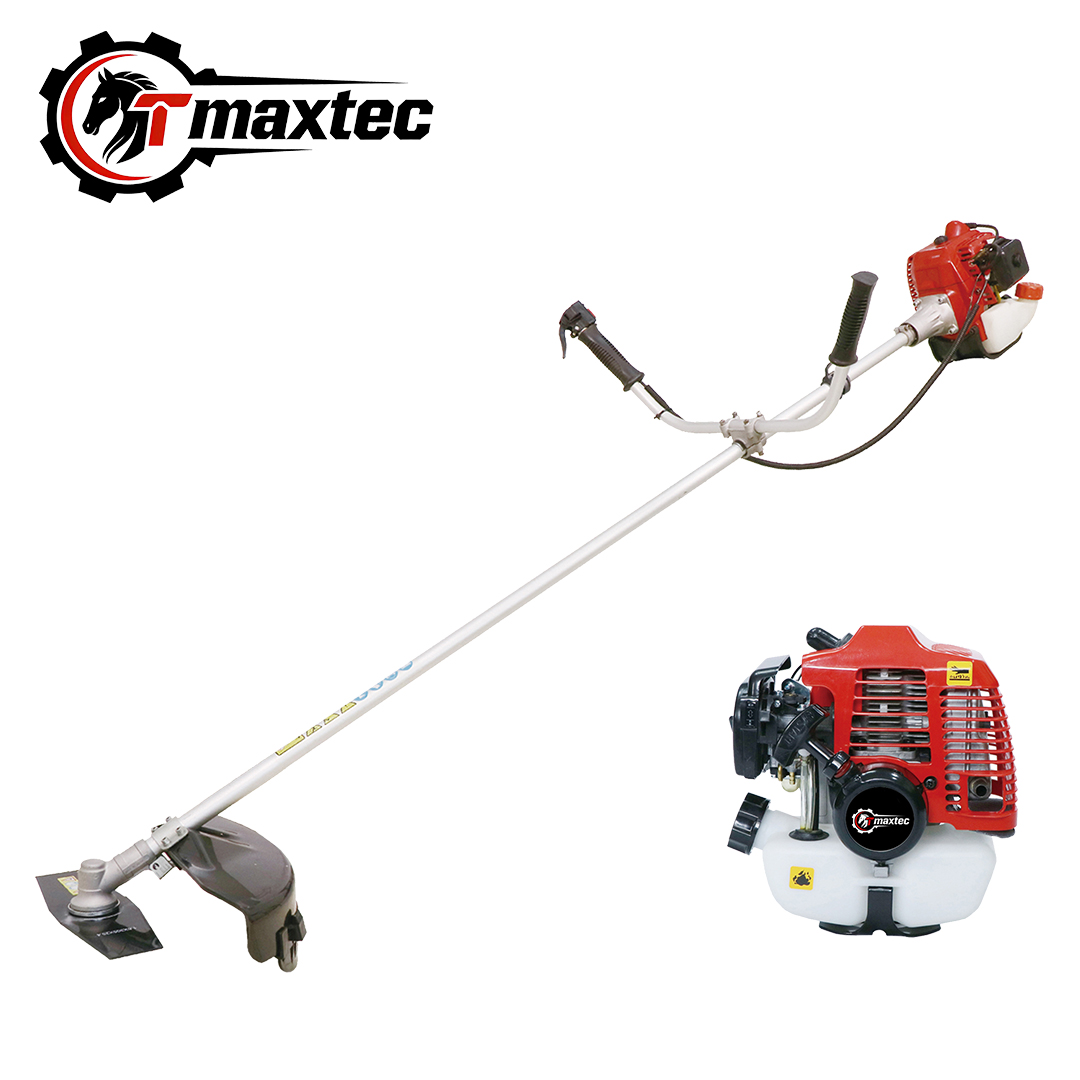
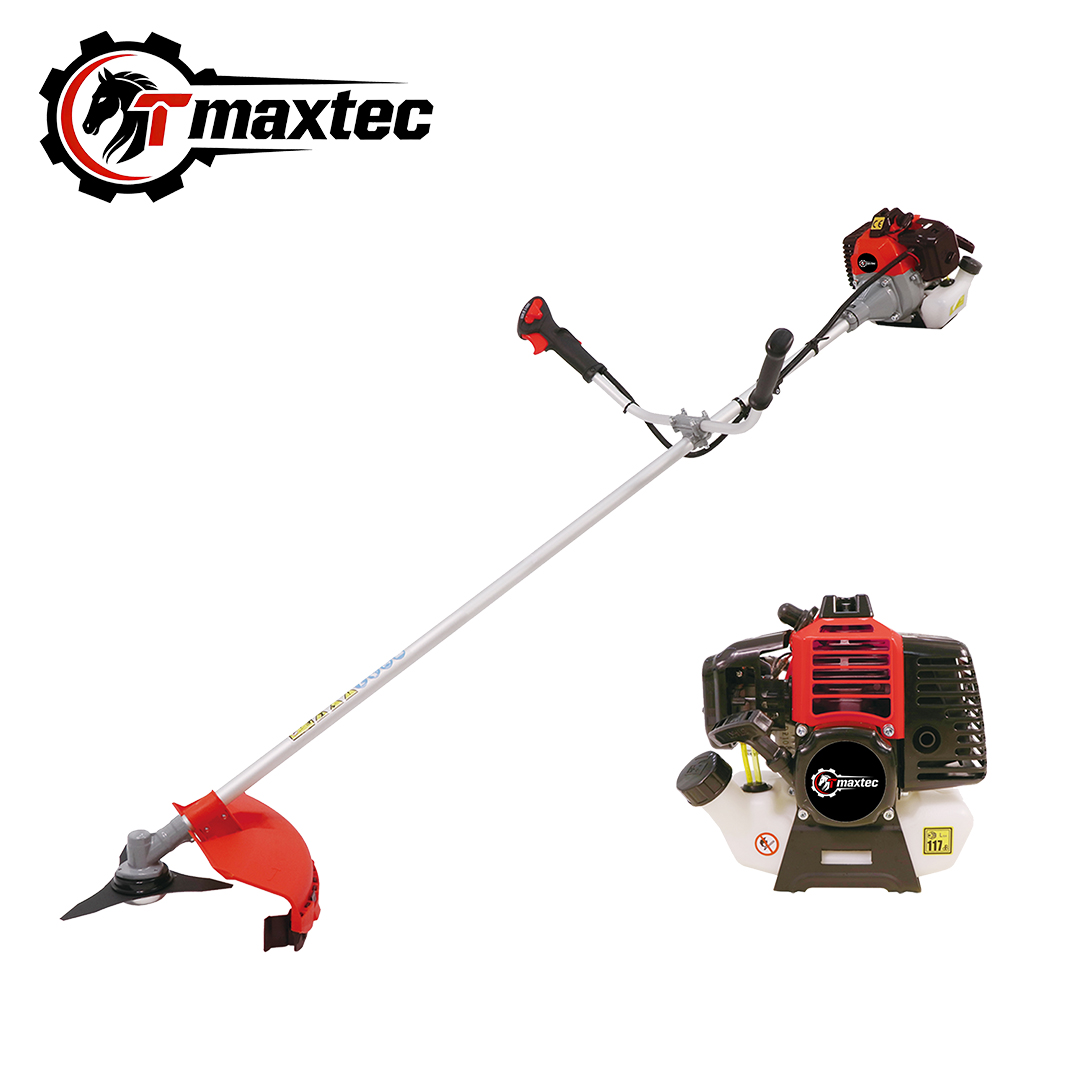
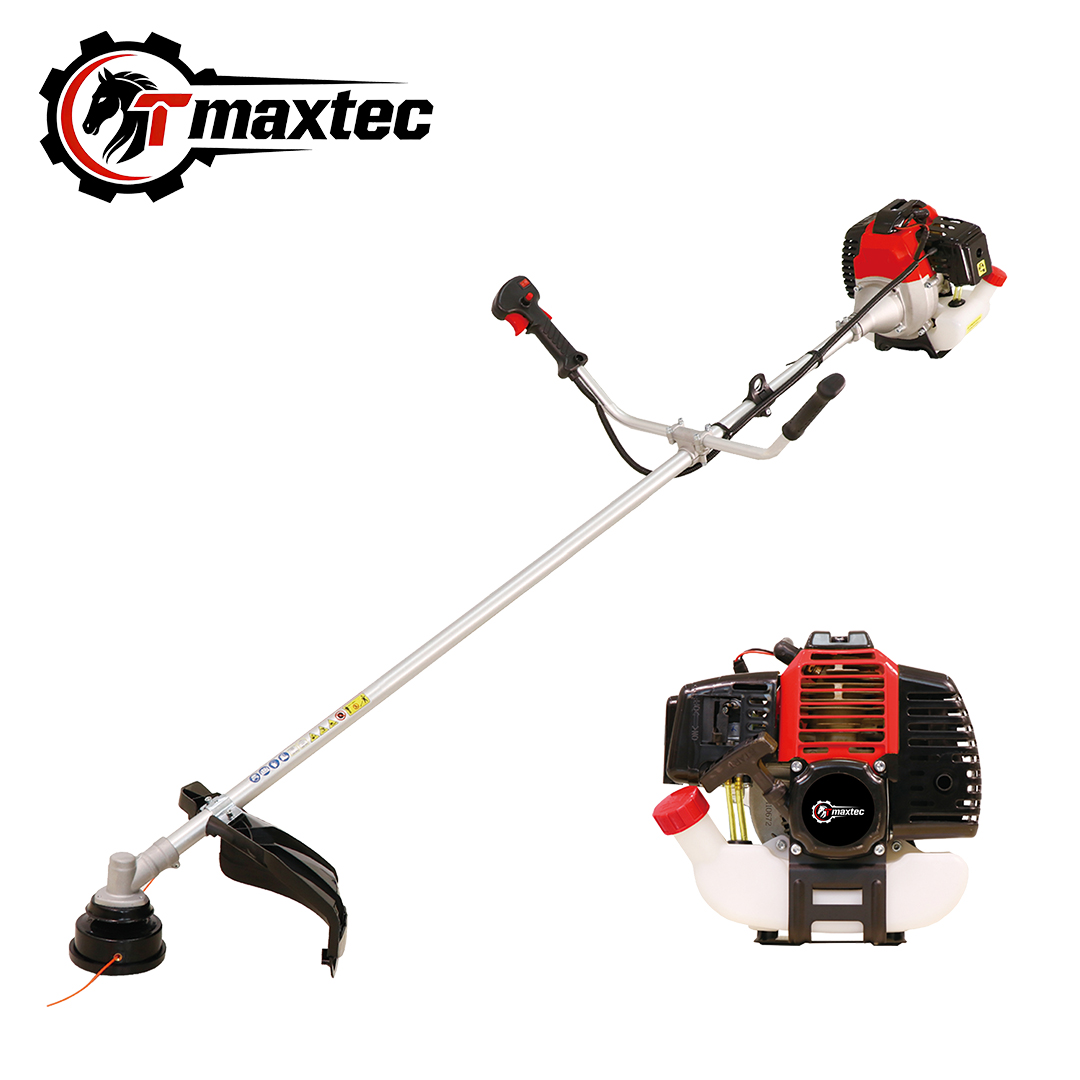
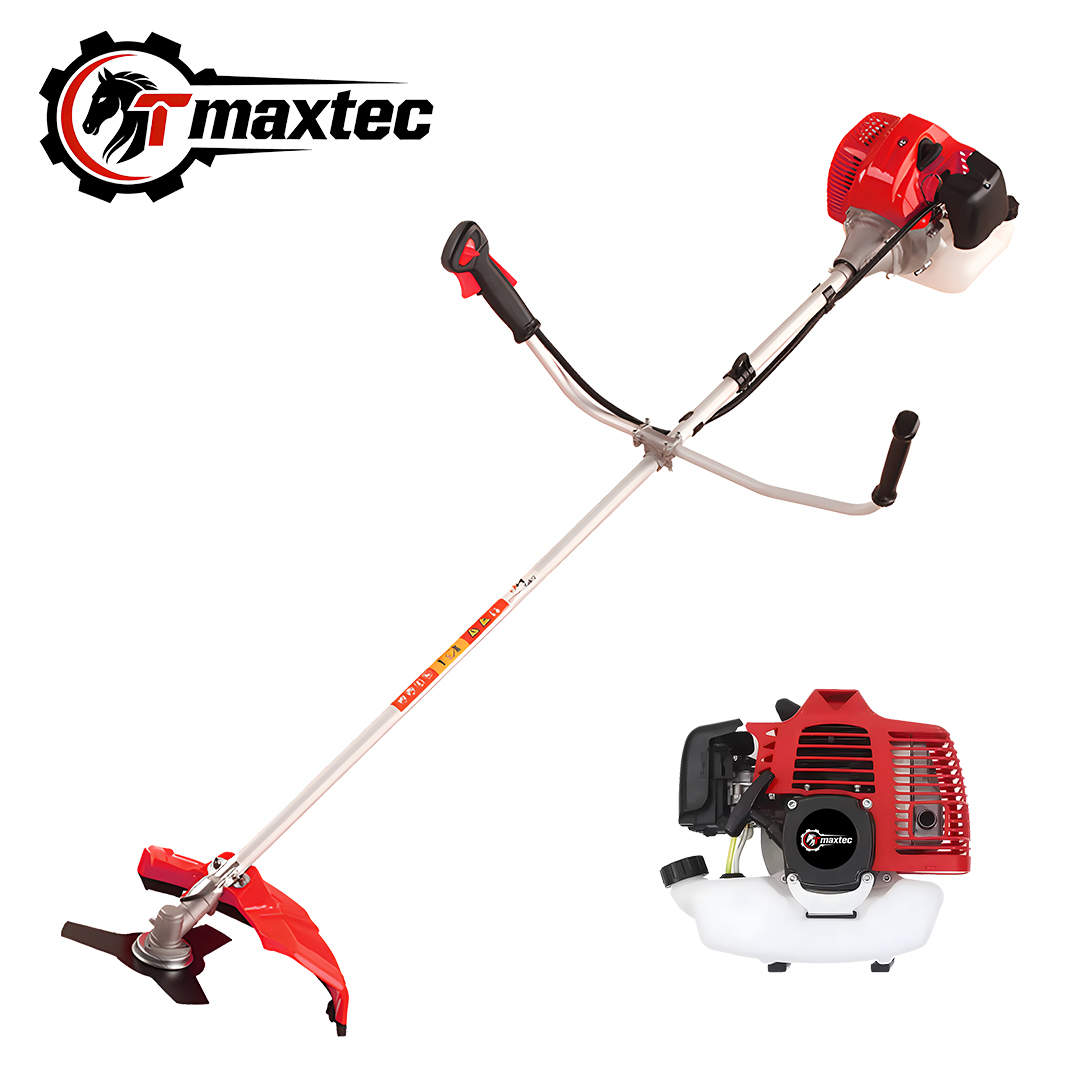
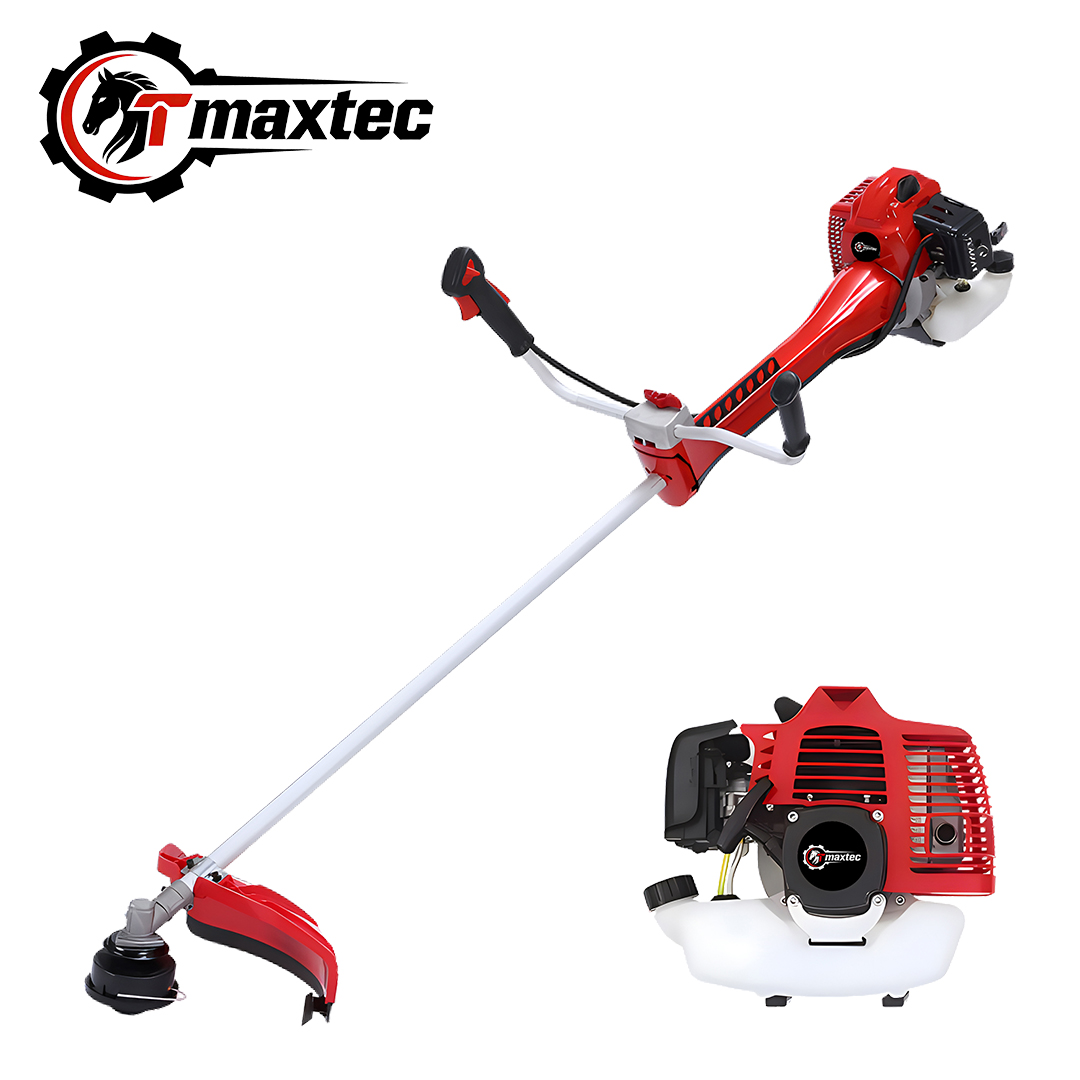
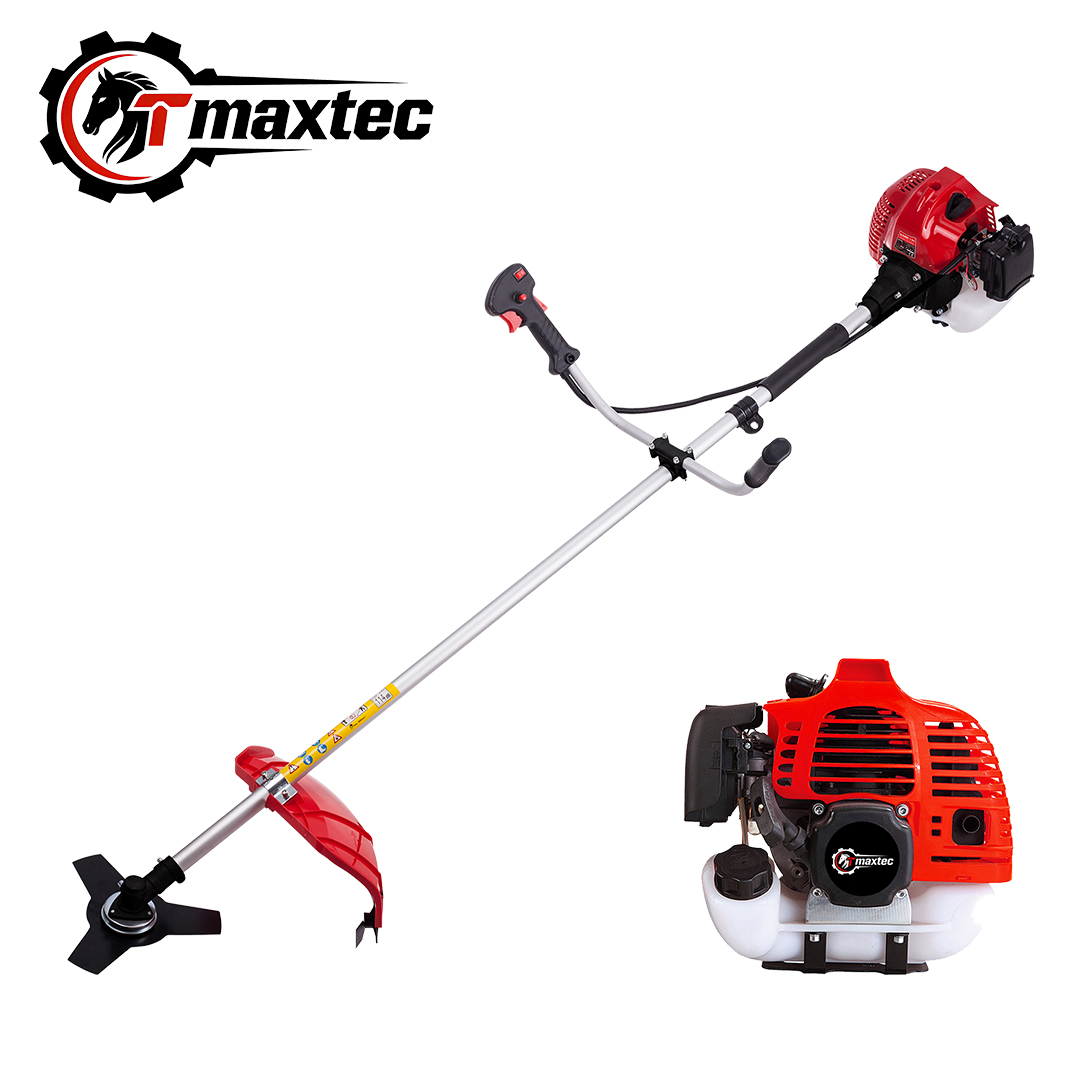
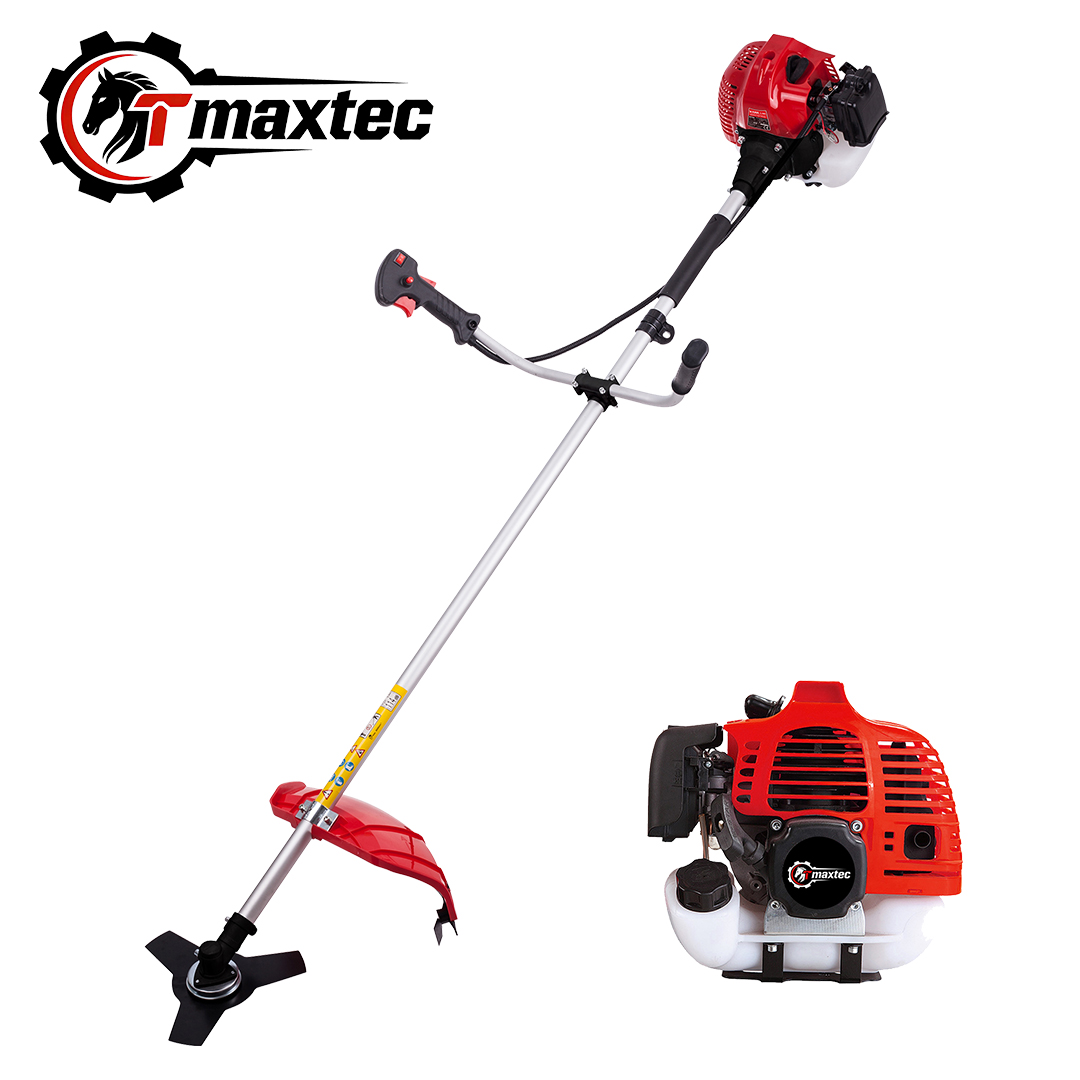
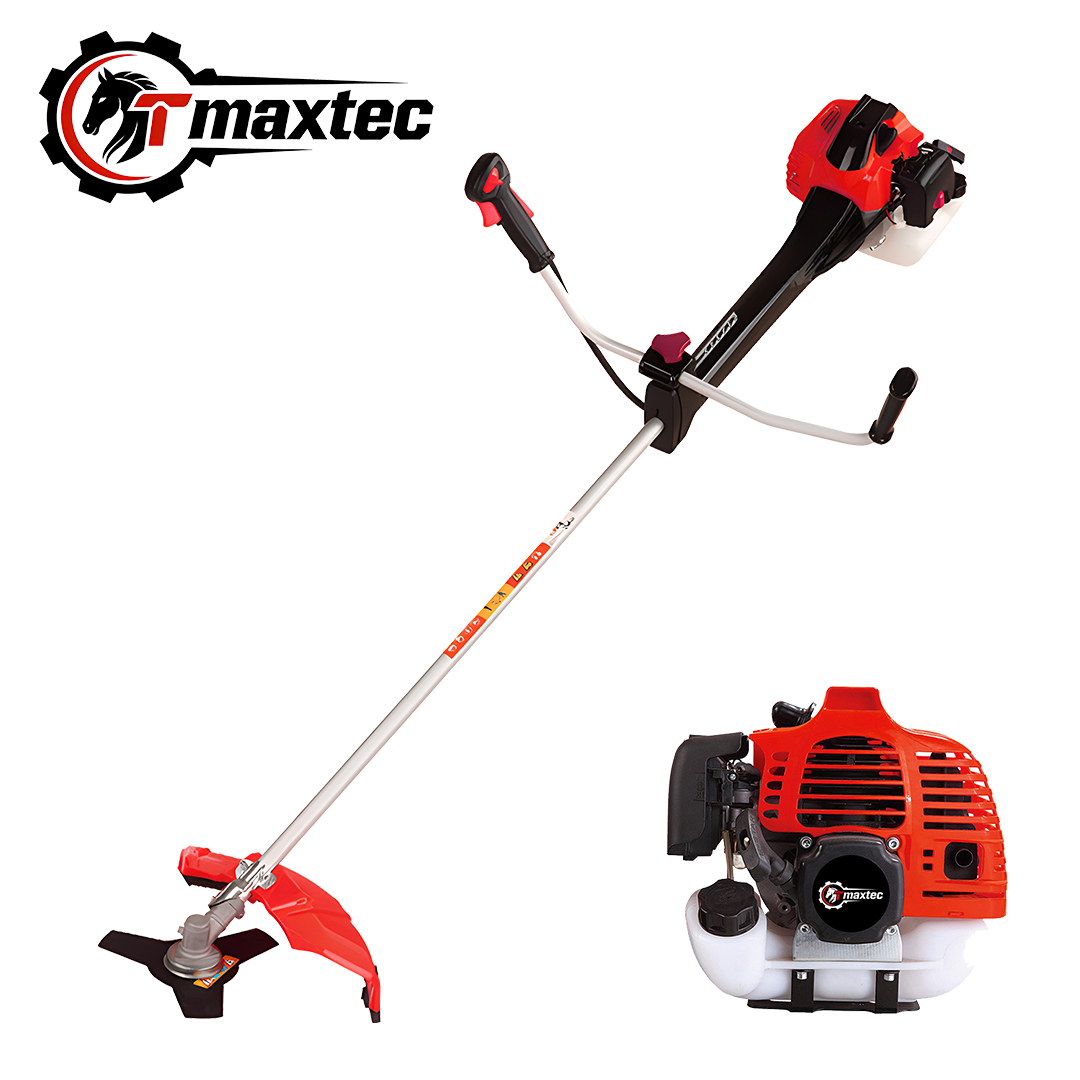
What Brush Cutter Works Better on Steep Slopes and Terraces?
Compare backpack brush cutter configurations for steep slopes, terraces, and orchard rows, including engine type, balance, attachments, and dealer checks.
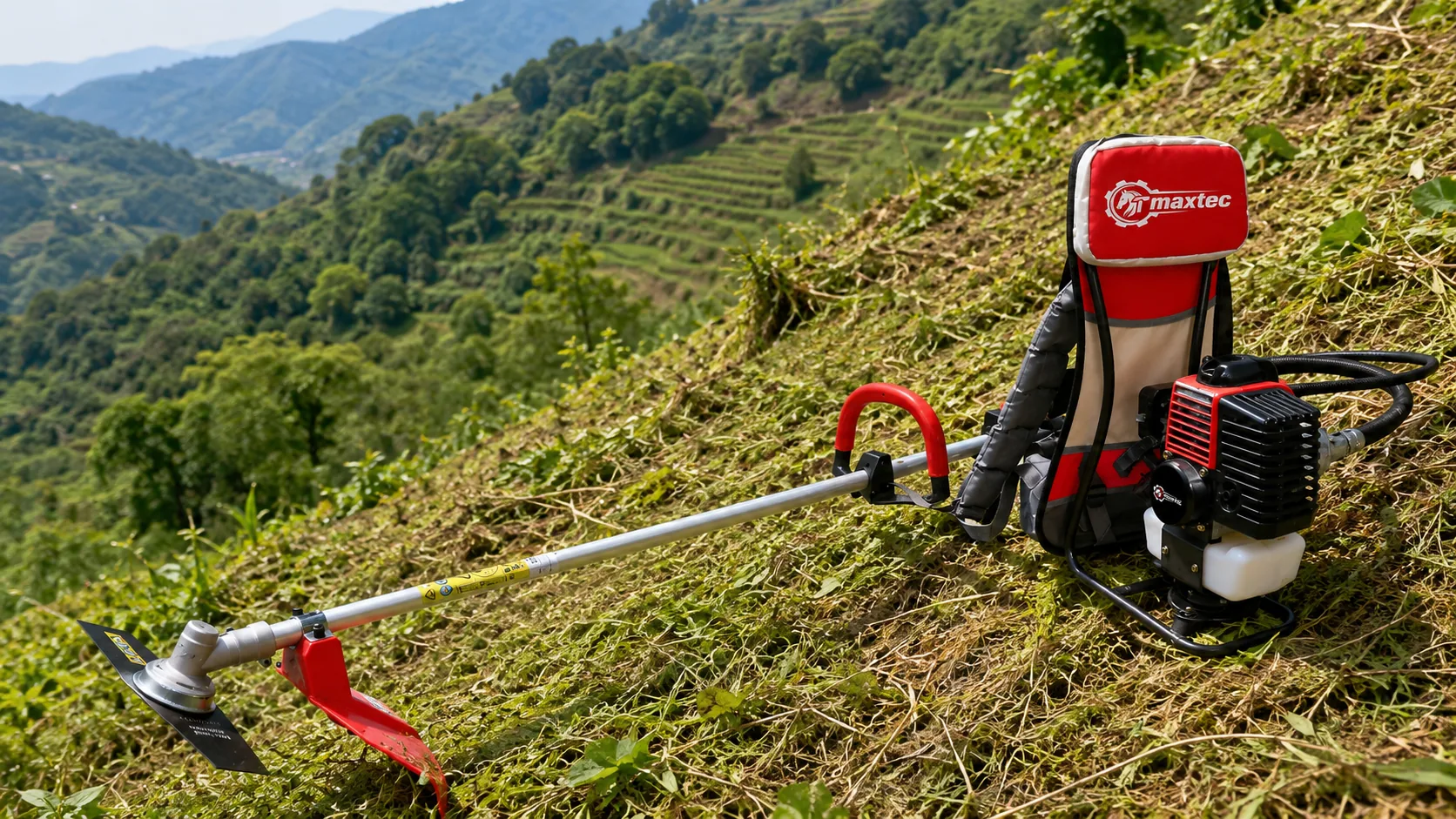
Terraced Farm Equipment Selection
Backpack Brush Cutter for Steep Slopes and Terraces: 2-Stroke vs 4-Stroke Model Guide
A backpack brush cutter for steep slopes and terraces should be selected according to vegetation, operator movement, fuel habits, flexible-shaft layout, harness fit, and local repair capability. Engine displacement alone does not show whether a machine will remain controllable on narrow plantation paths or deliver enough cutting performance in neglected hillside weeds.
For importers and agricultural machinery dealers, the main procurement decision is often whether to supply a smoother four-stroke backpack model for regular grass maintenance or a higher-output two-stroke configuration for denser vegetation. The correct answer depends on what users cut, how often they clear the land, and whether the dealer can supply the correct blades, flexible shafts, fuel instructions, and gearbox parts after the sale.
Quick answer
A backpack brush cutter is often easier to position on terraces because the engine remains on the operator’s back while the cutting tube can move above, below, and across the working path. For regularly maintained grass, a GX35 four-stroke model may suit buyers who prefer separate gasoline filling and simpler fuel preparation. For dense weeds and less frequent clearing, a 41.5cc two-stroke model with higher listed output may be more suitable. Before ordering, test the complete machine on local terrain and inspect the harness, flexible shaft, cutting attachment, gearbox, fuel instructions, and spare-parts compatibility.
Why Backpack Brush Cutters Are Easier to Position on Terraces
A conventional side-mounted brush cutter carries the engine and fuel tank close to one side of the operator. This arrangement can work efficiently on open, relatively level ground where the machine is moved in a regular cutting arc. On a hillside, however, the operator may stand with one foot higher than the other, turn around trees, step between narrow terrace edges, or cut vegetation located above and below waist height.
The weight of a side-mounted engine can feel as though it is pulling toward the downhill side. A backpack layout separates the engine from the handheld cutting tube, allowing the operator to adjust the tube angle without repeatedly lifting the complete engine assembly. This can be useful in tea, coffee, fruit, and rubber plantations, along orchard rows, beside irrigation channels, and on roadside banks where wheeled equipment cannot travel safely.
The backpack format does not make every slope suitable for machine cutting. Loose soil, wet ground, hidden stones, wire, deep vegetation, unstable terrace edges, unsuitable footwear, and excessive slope angle still create serious risks. The operator must be able to maintain stable footing before starting work.
| Terrain Condition | Backpack Advantage | Point to Verify |
| Narrow plantation rows | The cutting tube can be positioned without carrying the engine beside the plants. | Tube reach, blade width, and turning space |
| Stepped terraces | The operator can reach vegetation slightly above or below the standing position. | Harness stability and flexible-shaft curve |
| Orchards with trees | The tube can move around trunks while the engine remains on the operator’s back. | Use of nylon line near trunks and irrigation pipes |
| Roadside or canal banks | The cutting head can be angled toward vegetation outside the walking path. | Footing, hidden debris, and cutting direction |
Choose the Machine by Vegetation and Maintenance Pattern
The phrase “hilly land” can describe several different workloads. A machine used every week on soft grass between plantation rows does not face the same resistance as a machine used to clear fibrous weeds after an entire growing season.
For light and regularly maintained grass, smooth control, manageable throttle response, fuel convenience, and operator comfort may matter more than maximum output. For mature weeds, dense field borders, and less frequent clearing, buyers should pay closer attention to rated output, suitable blade selection, gearbox condition, flexible-drive durability, and local access to two-stroke service parts.
| Vegetation | Preferred Attachment | Machine Priority | Procurement Risk |
| Soft grass near trees and pipes | Nylon line | Control and low risk of plant damage | Using metal blades too close to trunks |
| Thicker grass and general farm weeds | Suitable three-tooth blade | Output, gearbox condition, and blade compatibility | Fitting an unconfirmed blade diameter or center hole |
| Dense or neglected hillside growth | Metal blade confirmed for the machine | Sustained-load performance and wear parts | Assuming a larger blade is automatically more productive |
Before fitting any metal blade, confirm the blade diameter, center hole, guard, gearbox, mounting hardware, and intended use. A larger rotating attachment can create more cutting resistance and may be harder to position close to terrace edges or between planted rows.
When a GX35 Four-Stroke Backpack Brush Cutter Makes Sense
A four-stroke backpack brush cutter may suit users who prefer filling gasoline separately instead of preparing a gasoline-and-oil mixture. This can reduce fuel-mixing mistakes where several workers share the same machines or where dealers regularly receive complaints caused by an incorrect two-stroke ratio.
Four-stroke models can be considered for routine grass cutting, plantation maintenance, and agricultural land where controlled handling and fuel convenience are more important than selecting the highest listed output. Buyers should still confirm oil-checking procedures, operating-angle limitations, engine orientation, harness layout, and maintenance instructions for the final configuration.
|
Four-stroke option TM-BG435A model to compare for regular grass cutting, plantation maintenance, and buyers who prefer a GX35 four-stroke configuration. |
Engine: GX35 four-stroke, air-cooled Displacement: 35.8cc Rated output: 1.1kW at 6,500 rpm Buying focus: Harness fit, engine orientation, oil procedures, attachments, and service support |
|
Suitable Market Positioning
The TM-BG435 may be relevant where workers are unfamiliar with two-stroke fuel ratios, the main task is regular maintenance rather than heavy seasonal clearing, and local service shops understand small four-stroke engines. The final operating instructions should clearly separate gasoline filling from engine-oil inspection and maintenance.
When a Higher-Output Two-Stroke Model Is More Appropriate
Two-stroke backpack brush cutters remain relevant in markets where farm users and repair shops already understand mixed fuel, diaphragm carburetors, recoil starters, spark-plug service, and conventional two-stroke spare parts. They may also be preferred where machines regularly cut mature grass, dense farm weeds, and vegetation that is not cleared frequently.
A higher listed output should not be interpreted as proof that the machine fits every heavy application. Actual performance still depends on blade selection, gearbox capacity, shaft condition, cutting technique, ambient temperature, vegetation density, and whether the operator allows the machine to recover instead of forcing the blade continuously.
|
Two-stroke hillside option TM-BG143 Backpack Brush CutterEngine: 41.5cc two-stroke Rated output: 1.6kW at 6,500 rpm Carburetor: Diaphragm type Fuel ratio: 1:30 mixed fuel Fuel tank: 1,200ml Shaft diameter: 26mm Working shaft length: 1,350mm |
Relevant applications
|
The specified 1:30 mixed-fuel ratio must be communicated clearly to distributors and operators. Using a ratio copied from another engine can affect lubrication, starting, smoke, spark-plug condition, and engine service life. Fuel instructions should be visible in the manual, dealer training material, and package documentation.
Why Two GX35 Models Still Require a Full Configuration Comparison
The TM-BG520H knapsack brush cutter is also listed with a GX35 four-stroke, air-cooled engine, 35.8cc displacement, and rated output of 1.1kW at 6,500 rpm. Buyers comparing it with the TM-BG435 should therefore look beyond the engine name and listed output.
Two machines using a similar reference engine can still differ in backpack-frame construction, padding, harness adjustment, flexible-shaft length, cutting-tube configuration, throttle-control layout, supplied blade, nylon head, guard design, carton dimensions, and spare-parts compatibility. The final quotation or proforma invoice should confirm the actual configuration rather than relying only on the model name.
| Comparison Item | What the Importer Should Confirm | Decision Impact |
| Backpack frame | Padding, frame shape, strap adjustment, engine position | Operator comfort |
| Drive system | Flexible-shaft length, connector ends, casing route | Movement and spare parts |
| Cutting package | Blade, nylon head, guard, gearbox, mounting hardware | Application fit |
| Packing | Carton size, frame protection, shaft protection, accessory packing | Freight and damage risk |
TM-BG520H Knapsack Brush CutterCompare this model when buyers need another GX35 four-stroke backpack configuration. Confirm the complete frame, harness, shaft, cutting attachment, controls, packaging, and compatible service parts before treating it as interchangeable with another GX35 model. |
|
Harness Fit and Flexible-Shaft Routing on Sloped Ground
On terraced land, the backpack frame and harness directly affect how securely the operator can move. A machine with suitable output can still feel unstable if the frame sits too low, the shoulder straps slip, the engine moves excessively with every step, or the weight presses sharply against one point on the operator’s back.
The flexible drive section gives the backpack brush cutter its movement advantage, but it must not be sharply bent or tightly twisted. On narrow terraces, operators often rotate their upper bodies while the engine continues facing forward. Incorrect routing can force the flexible casing into a tight curve near the engine connector or cutting-tube connector.
- 01. Adjust both shoulder straps so the engine remains close to the operator’s back without pulling to one side.
- 02. Check that the frame and padding do not create a concentrated pressure point during walking and turning.
- 03. Route the throttle cable so it moves freely without pulling, catching, or touching hot engine areas.
- 04. Keep the flexible casing in a broad curve instead of folding it tightly near either connector.
- 05. Confirm that the tube can reach uphill and downhill vegetation without forcing the drive section behind the operator’s body.
- 06. Repeat the test with operators of different heights because strap position changes the flexible-shaft angle.
Useful after-sales parts for backpack brush cutters may include flexible inner shafts, complete flexible casings, engine-side and cutting-side connectors, throttle cables, rigid drive rods, gearbox components, clutch drums, blade flanges, and fastening nuts. Compatibility must be confirmed by model because similar-looking parts can differ in length, end shape, connector size, and engagement design.
How Dealers Should Conduct a Hillside Sample Test
A showroom start test cannot show whether a backpack brush cutter suits terrace farming. The sample should be tested on the same type of ground and vegetation found in the destination market, with the complete harness, guard, shaft, blade or nylon head, and fuel configuration installed.
The test must remain within terrain where the operator can maintain stable footing. Stop immediately if the cutting attachment strikes wire, stones, fencing, hard debris, or other hidden objects.
| Test Stage | What to Do | What to Observe |
| Across the slope | Cut while maintaining a stable position across a moderate incline. | Downhill pull, harness movement, and cutting-head control |
| Narrow rows | Move between plantation plants and turn at the end of the row. | Frame clearance, flexible-shaft routing, and turning space |
| Different cutting heights | Reach vegetation slightly above and below the operator. | Tube reach and excessive arm force |
| Changing vegetation | Move from soft grass into denser weeds without forcing the blade. | Engine recovery, vibration, gearbox noise, and flexible-drive behavior |
| Warm operation | Continue testing after the engine reaches normal working temperature. | Throttle response, heat, abnormal noise, and operator fatigue |
Importer Procurement Audit for Hillside Markets
Wholesale evaluation should cover the complete working setup rather than engine size alone. The following audit points help importers compare models for plantations, orchards, terraced farms, road maintenance, and uneven agricultural land.
| 1 | Vegetation audit: Record whether local users mainly cut soft grass, mature weeds, fibrous plants, or neglected field borders. |
| 2 | Fuel preference: Confirm whether customers prefer mixed fuel or four-stroke maintenance with separate gasoline and engine oil. |
| 3 | Cutting attachment: Verify the standard nylon head or blade and confirm guard, gearbox, center hole, diameter, flange, and nut compatibility. |
| 4 | Harness range: Test the adjustment range with operators of different heights and body sizes. |
| 5 | Flexible drive: Check casing length, inner-shaft ends, connector dimensions, bend radius, and replacement availability. |
| 6 | Gearbox parts: Confirm compatible gears, bearings, seals, drive rods, blade flanges, and fastening hardware. |
| 7 | Fuel labeling: Ensure the correct ratio or four-stroke oil instructions are printed clearly for each model. |
| 8 | Local repair capability: Check whether service shops can support the selected two-stroke or four-stroke engine type. |
| 9 | Packing protection: Inspect protection around the backpack frame, engine, shaft, flexible casing, controls, and accessories. |
| 10 | Dealer demonstration: Confirm that local distributors can assemble, adjust, fuel, start, and demonstrate the machine correctly. |
| 11 | Repeat-order consistency: Record the approved frame, shaft, gearbox, controls, attachments, labels, and spare-parts codes. |
| 12 | Sample approval: Test the final configuration on local slopes before confirming the bulk order. |
Backpack Brush Cutter FAQ
Is a backpack brush cutter better than a side-mounted model on steep slopes?
It is often easier to position because the engine is carried on the operator’s back while the cutting tube remains free to move. The advantage depends on harness fit, flexible-shaft routing, machine balance, vegetation, and the operator’s ability to maintain stable footing.
Should plantation buyers choose a two-stroke or four-stroke backpack brush cutter?
A four-stroke model may suit routine grass maintenance and users who want to avoid preparing mixed fuel. A higher-output two-stroke model may be more appropriate for dense weeds and markets with established two-stroke repair support.
Is the TM-BG143 suitable for dense hillside weeds?
Its listed 41.5cc two-stroke engine and 1.6kW rated output make it relevant for comparison where users cut mature grass and denser vegetation. Final suitability still depends on the blade, gearbox, shaft condition, vegetation density, and cutting method.
Are the TM-BG435 and TM-BG520H the same because both use GX35 engines?
Not necessarily. Their reference engine type, displacement, and listed output may be similar, but buyers should compare the frame, harness, flexible shaft, controls, cutting attachments, guard, packaging, and spare-parts compatibility.
Why does the flexible shaft fail on a backpack brush cutter?
Possible causes include sharp bending, excessive twisting, incorrect harness adjustment, incompatible connectors, poor lubrication where applicable, damaged inner-shaft ends, overload, or forcing the cutting tube too far behind the operator.
What spare parts should dealers stock for hillside brush cutter users?
Depending on the confirmed model, useful parts may include flexible inner shafts, complete casings, connectors, throttle cables, drive rods, gearboxes, clutch drums, blade flanges, nuts, guards, blades, nylon heads, recoil parts, filters, and engine service components.
|
Select by field conditions Compare Backpack Brush Cutter Configurations for Your Hillside MarketRegular plantation maintenance may favor a GX35 four-stroke configuration, while dense and infrequently cleared hillside vegetation may justify comparing a higher-output two-stroke model. Confirm the terrain, vegetation, fuel habits, harness, flexible drive, attachments, and spare-parts package before ordering. |
|