
Why Is Your Lawn Mower Not Collecting Grass in the Bag?
Find why a lawn mower is not collecting grass in the bag by checking wet clippings, rear chute blockage, bag airflow, cutting height, and blade condition.
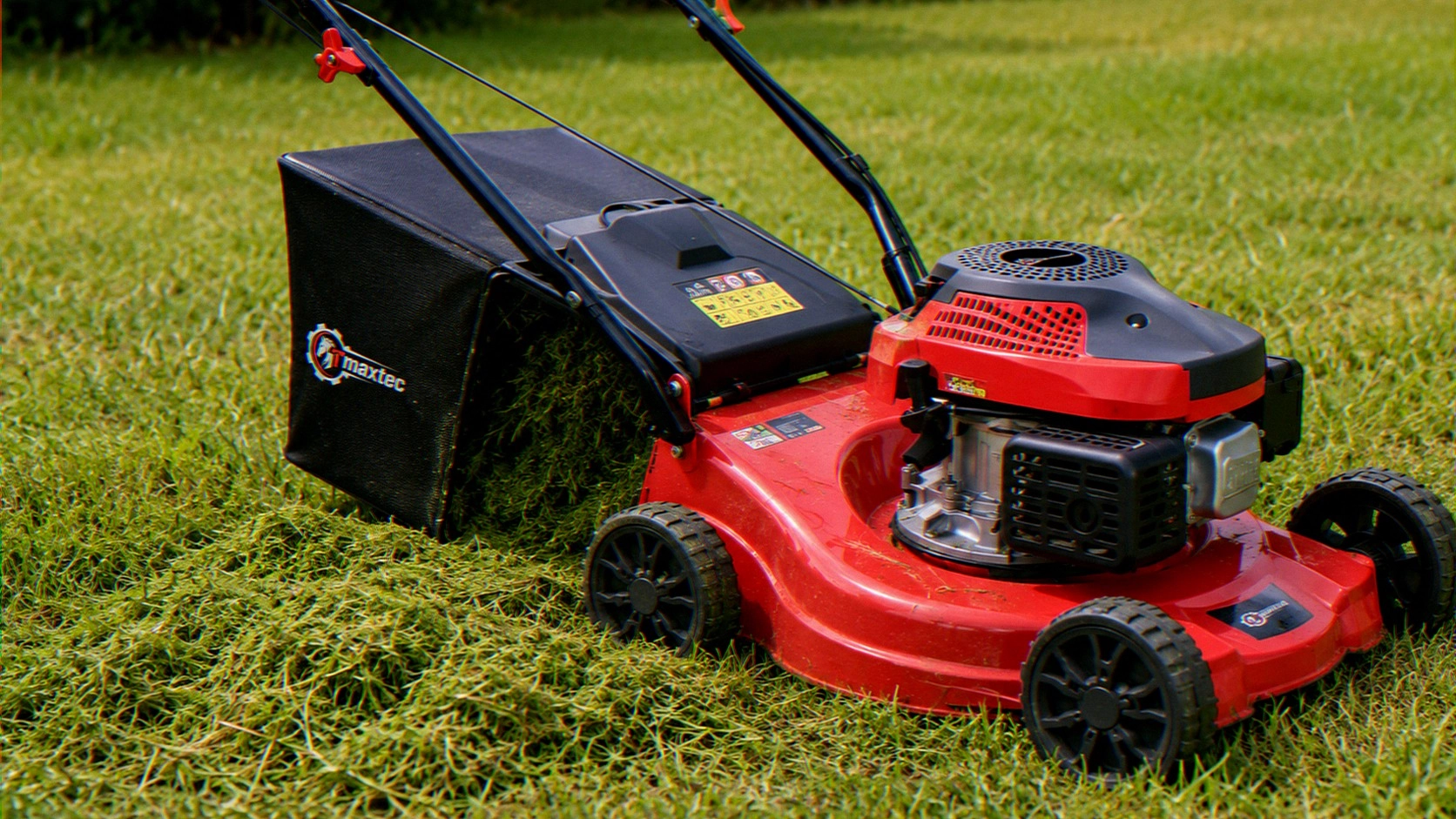
Lawn Mower Not Collecting Grass in the Bag: Causes and Checks
A lawn mower may cut normally but fail to move clippings into the collection bag when the rear outlet is restricted, the fabric bag cannot release air, the grass is too wet or the blade is not producing enough airflow. The most useful first checks are outside the engine: bag fit, bag cleanliness, rear-flap movement, chute blockage and the amount of grass being removed in one pass.
This article covers a mower that continues running and cutting but leaves clippings under the deck, behind the machine or around the rear outlet instead of filling the bag. It does not address uncut strips, failure to start or an engine that stops during operation.
When a lawn mower is not collecting grass in the bag, first empty and clean the fabric bag, confirm that its frame is seated correctly and inspect the rear outlet for packed clippings. Raise the cutting height and reduce walking speed if the grass is tall, dense or damp. Inspect the blade only after the bag, chute and underside of the deck are clear. Importers and dealers should confirm that the bag frame, fabric, rear flap, blade and discharge parts belong to the same ordered configuration.
1. Confirm the Collection Problem Before Removing Parts
Clipping location gives a better starting point than replacing a bag, blade or engine component without a clear diagnosis. Observe where the grass appears and whether collection changes as the bag fills.
| Clipping pattern | Likely inspection area | First action |
| Grass falls directly behind the mower | Bag connection, rear flap or chute | Refit the bag and clear the outlet. |
| Grass remains under the deck | Wet buildup, low cutting height or blade airflow | Clean the deck and raise the cutting height. |
| The bag fills briefly and then stops | Blocked fabric pores or inlet compaction | Empty and clean the bag before retesting. |
| Clippings escape around the bag frame | Bent frame, poor seating or trapped grass | Inspect the mounting points and inlet seal. |
| Collection weakens as engine speed drops | Excessive cutting load or engine service condition | Reduce the load before checking basic engine items. |
A mower that collects normally with an empty bag but loses performance after a short distance usually has an airflow or compaction problem. A machine that never moves clippings into the bag requires closer inspection of the complete discharge path.
2. Stop the Engine Before Inspecting the Rear Outlet
Shut off the engine, wait until the blade has completely stopped and disconnect the spark plug lead before reaching near the rear chute or underside of the deck. Compacted grass can hide the blade edge, especially when damp clippings have formed a solid layer around the discharge passage.
| STOP | Do not place a hand inside the rear outlet or under the deck while clearing grass. Use a suitable tool after the machine has been shut down and secured. |
A four-stroke lawn mower should not be tilted in an arbitrary direction. Oil or fuel may enter the air-filter, cylinder or exhaust area. Follow the actual machine instructions whenever underside access is required.
After clearing the mower, restore it to its normal operating position and check that no tool, grass clump or loose component remains near the blade before reconnecting the spark plug lead.
3. Inspect the Bag Fit, Fabric and Rear Flap
A grass bag may appear attached while still leaving a gap at the inlet. Confirm that the frame is fully seated on its mounting points and that the rear flap opens against the bag entrance as intended. Clippings escaping around the connection indicate that the collection path is not properly aligned.
Bag mounting checks
|
Conditions requiring correction
|
The fabric bag must release air while retaining grass. Dust, dried clippings and damp residue can block its pores. When the bag cannot pass air, the stream carrying the clippings weakens and the bag may remain partly empty even though the rear chute is open.
Empty the bag, inspect it in good light and clean it according to the bag material. Allow it to dry completely before refitting. Damp clippings should not be left inside during storage because they can harden around the fabric and inlet.
4. Clear the Chute and Reduce the Amount Cut per Pass
Wet or long grass often compacts inside the rear discharge passage before the bag becomes full. The operator may notice a light bag while clippings collect under the deck or form a row behind the mower.
With the engine stopped and the spark plug lead disconnected, remove the bag and inspect the complete outlet. Packed material should be removed with a suitable tool rather than by placing a hand near the blade area. Also inspect the rear flap for binding, cracking or deformation.
| Step | Adjustment | What the result indicates |
| 1 | Empty and refit the bag. | Strong collection after refitting points to a seating or compaction issue. |
| 2 | Clean the rear outlet and underside of the deck. | Improvement confirms that restricted airflow was involved. |
| 3 | Select a higher cutting position. | Better collection means the original cut removed too much grass. |
| 4 | Reduce walking speed. | The deck and outlet needed more time to process the clippings. |
| 5 | Retest when the grass is drier. | Strong dry-grass collection identifies moisture as the main condition. |
Repeated blockage after clearing usually means the operating conditions must change. Continuing at the same low height and fast walking pace may refill the outlet within a short distance.
5. Match Cutting Height and Forward Speed to the Grass
Removing too much vegetation in one pass can fill the deck faster than the blade can move clippings through the rear outlet. Tall grass should be reduced gradually rather than cut immediately at the lowest setting.
The TM410P is listed with a cutting-height range of 30–75 mm, five height positions and a 410 mm cutting width. In tall or dense grass, begin at a higher setting and make a second pass later if a shorter finish is required.
| Tall or dense grass
Raise the deck and reduce walking speed. |
Wet grass
Delay mowing where possible and empty the bag more often. |
Normal dry lawn
Use the required finish height while monitoring bag fill. |
Wet clippings are heavier, stick together and adhere to the inside of the metal deck. When mowing cannot be delayed, raise the cutting height, slow down and stop when clumps begin appearing behind the machine.
A listed bag capacity does not mean every grass type will settle evenly. Fine dry grass, coarse weeds and damp clippings compact differently, so the inlet may become restricted while visible space remains elsewhere in the bag.
6. Inspect the Deck, Blade and Engine in the Correct Order
Grass stuck under the deck reduces the open space available for circulation and disrupts the path toward the rear outlet. The TM410P specification lists a metal deck, which should be inspected for hardened deposits around the blade path and rear passage after the machine has been shut down and positioned safely.
If the deck becomes blocked again shortly after cleaning, reconsider grass moisture, cutting height and forward speed before assuming that a mechanical component is defective.
| Inspection order | Check | Reason |
| External first | Bag fabric, frame, flap, chute and deck | These are common restrictions and can be checked without changing engine settings. |
| Blade second | Wear, bending, orientation and compatibility | A blade may still cut while producing inadequate lifting airflow. |
| Engine last | Speed, air filter, oil level, fuel and throttle movement | Engine inspection is relevant when the operating sound or speed is abnormal. |
A badly worn, bent, incorrectly installed or incompatible blade may fail to move clippings effectively even though it still cuts some grass. If collection became weak after blade servicing or after striking a stone, inspect the installation and condition. Blade compatibility should be confirmed by model and mounting arrangement, not by diameter alone.
Do not straighten a bent blade or continue using a cracked one. Incorrect orientation can also reduce airflow, so the installation direction must follow the actual model specification.
Check engine speed only when the mower sounds slower than normal, surges or loses speed under load. Basic checks include air-filter restriction, correct oil level, fuel condition and throttle movement where applicable. Avoid carburetor adjustment until the collection path has been confirmed clear.
7. TM410P Bagging Configuration for Dealers and Importers
| TM410P Hand-Push Petrol Lawn Mower Rear-discharge collection configuration |
|
| Engine | TM130V 130 cc four-stroke OHV engine |
| Reference output | 2.2 kW / 3.0 hp |
| Cutting width | 410 mm |
| Cutting height | 30–75 mm with five positions |
| Collection bag | 35 L fabric bag |
| Discharge and deck | Rear discharge with metal deck |
The hand-push layout allows the operator to reduce forward speed when grass becomes heavier rather than depending on a fixed self-propelled pace. For customers who regularly collect clippings, the bag frame, fabric bag, rear flap, blade type and discharge parts should be treated as one matched system.
Final engine, blade, bag, branding and packing details should be confirmed in the quotation or proforma invoice. In markets with fast-growing or frequently damp lawns, replacement bags, blades and rear-discharge parts deserve more attention than unrelated accessories.
8. Importer and Dealer Bagging-System Checklist
A bulk-order review should confirm that the complete collection system is consistent across production, packing and repeat orders. A mower body and grass bag that are individually acceptable may still perform poorly if their connection, airflow or discharge parts do not match.
| Before confirming the order | Before shipment and repeat orders |
|
|
Dealer instructions should explain that bag capacity alone does not determine collection performance. Grass moisture, cutting height, walking speed, fabric airflow and chute condition all affect how quickly the bag fills.
9. Frequently Asked Questions
| 1 |
Why is my lawn mower cutting grass but not collecting it?The usual causes are a blocked rear outlet, restricted fabric-bag airflow, poor bag seating, wet grass, an excessively low cutting height or reduced blade airflow. |
| 2 |
Can a dirty grass bag stop a mower from collecting?Yes. A fabric bag must release air. Dust, dried grass and damp residue can block its pores and weaken the airflow that carries clippings from the deck. |
| 3 |
Why does the bag fill for a short time and then stop?Compacted grass may be blocking the bag inlet, or the fabric may no longer release enough air as material accumulates. Empty, clean and refit the bag before inspecting internal components. |
| 4 |
Does wet grass prevent bagging?Wet clippings are heavier and stick to the deck, chute and each other. Waiting for the lawn to dry is preferable. When mowing cannot be delayed, use a higher setting, slower pace and more frequent bag emptying. |
| 5 |
Can a mower blade cut but still cause weak collection?Yes. A worn, bent, incorrectly installed or incompatible blade may cut some grass while producing insufficient airflow to move the clippings into the rear bag. |
| 6 |
What spare parts matter for lawn mower bagging performance?Dealers should prioritize compatible fabric bags, bag frames, rear flaps, discharge parts and blades. These components directly affect the collection path and are more relevant than unrelated accessories. |
Confirm the Complete TM410P Collection System
For wholesale lawn mower orders intended for grass collection, verify the bag fabric, frame, rear flap, discharge passage, blade configuration and compatible spare parts before approving the model.
| Ask About Available Configurations |