
Why Does a Gasoline Chainsaw Die When You Release the Throttle?
A gasoline chainsaw dies when throttle is released when idle speed, fuel flow, or low-speed carburetion is unstable. Check the simple causes first.
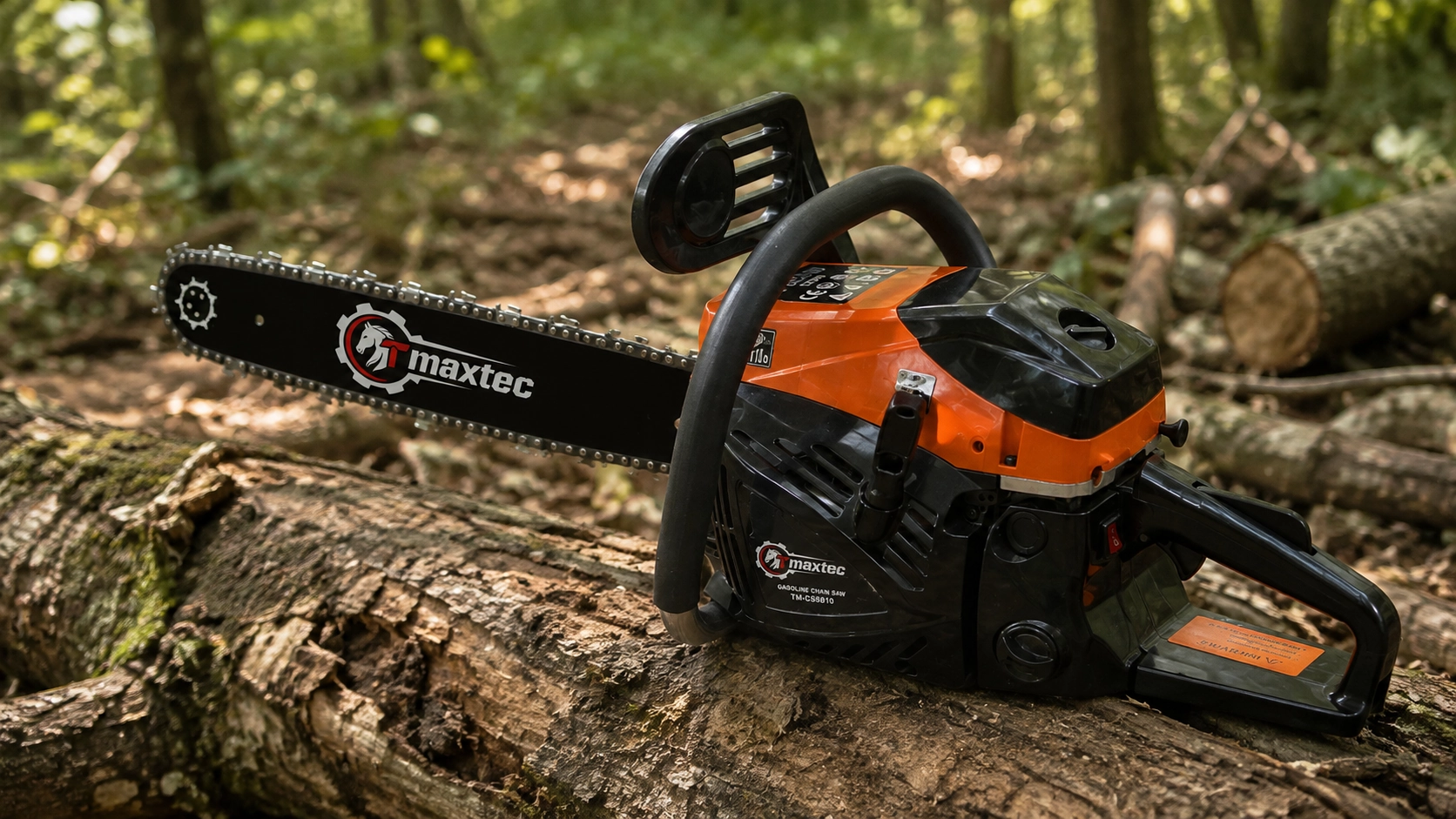
Gasoline Chainsaw Dies When You Release the Throttle: Idle Troubleshooting Guide
A gasoline chainsaw that dies when you release the throttle is usually failing to maintain stable low-speed operation. The engine may accelerate normally while the trigger is held, yet stop as soon as engine speed falls back toward idle. Start with the choke position, air filter, fuel condition and idle speed before assuming the carburetor requires internal repair.
This symptom needs to be separated from a chainsaw that stalls only when the chain enters wood. Cutting-load problems point toward a different inspection path. Here, the useful question is simpler: can the engine keep running safely with the throttle fully released and the chain stationary?
Low-Speed Diagnosis
Quick answer: If a gasoline chainsaw runs with throttle but stops when the trigger is released, first confirm that the choke has fully returned to the run position, inspect the air filter and fuel condition, and check whether the engine idle is simply too low. If those items are normal, inspect fuel delivery and the carburetor low-speed circuit. Do not compensate by increasing idle speed until the chain begins moving. A correctly operating saw should maintain a stable engine idle while the chain remains stationary.
1. Confirm the Chainsaw Is Actually Stalling at Idle
Before touching an adjustment screw, reproduce the problem carefully. Start the saw using its normal procedure, allow it to stabilize, briefly increase the throttle and then release the trigger completely.
If the engine immediately slows and stops while the chain is no longer under cutting load, focus on idle and low-speed engine operation. If the saw instead remains running until the chain contacts wood, the problem belongs to load response, fuel delivery under demand, cutting resistance or another separate troubleshooting path.
| Observed Symptom | Likely Direction | First Action |
| Stops immediately after trigger release | Idle or low-speed operation | Check choke, filter, fuel and idle speed |
| Runs at idle but dies in wood | Load-related problem | Use a cutting-load diagnostic path |
| Engine idles but chain keeps moving | Idle too high or clutch issue | Stop adjustment and inspect safely |
The opposite symptom is important during dealer inspection. If the engine continues running but the chain travels around the guide bar at idle, do not treat that as a successful idle adjustment. Stable idle should also mean a stationary chain.
2. Make the External Checks Before Adjusting the Carburetor
A saw that will only stay running when the throttle is held does not automatically need carburetor disassembly. Several easier faults can disturb low-speed operation.
| 1 | Confirm the choke position. Make sure the mechanism actually reaches the normal run position. A stiff, dirty or incorrectly assembled linkage can leave the choke plate partly closed even when the external lever appears correct. |
| 2 | Inspect the air filter. Sawdust and fine wood dust can restrict airflow. Clean or replace the filter according to its material and condition rather than running the saw without filtration. |
| 3 | Evaluate the fuel. Fuel that smells abnormal, contains visible contamination or has been stored under questionable conditions should be replaced before changing mixture settings. |
| 4 | Check visible fuel-delivery parts. Look for cracking, hardening, loose connections or leakage around the fuel hose and inspect the in-tank filter when it can be accessed safely. |
If the complaint started immediately after storage, fuel replacement deserves particular attention. Correcting stale or contaminated fuel first avoids changing an otherwise serviceable carburetor setting to compensate for a temporary fuel-quality problem.
3. Check Whether the Idle Speed Is Below a Stable Operating Point
Once airflow, fuel condition and basic controls are reasonable, idle speed becomes the next useful distinction. If engine speed falls below a stable low-speed point after the trigger is released, the saw can stop even though it accelerates normally with the throttle open.
Safe adjustment boundary
Idle adjustment should be gradual and matched to the actual carburetor and machine specification. Do not continue turning the idle adjustment merely until the stalling disappears. If the chain begins moving continuously at idle, stop increasing engine speed and investigate why the saw cannot maintain a safe stationary-chain idle.
This relationship is particularly useful for distributor service staff because it gives two conditions to verify after adjustment: the engine must remain running, and the clutch must not continuously drive the chain.
4. When the Carburetor Low-Speed Circuit Becomes the Main Suspect
A gasoline chainsaw does not use exactly the same fuel-delivery condition at idle as it does with the throttle opened. That is why a saw may rev when the trigger is held yet die when it returns to low speed.
After fresh fuel, the air filter, fuel line, tank filter and idle setting have been checked, restriction in a small carburetor passage, an aging metering component or an incorrect low-speed setting becomes more relevant.
Do not turn every carburetor screw at once. Uncontrolled changes to low-speed and high-speed settings can make the original problem harder to identify. If external checks and the permitted basic adjustment do not produce a stable idle, inspect the carburetor according to the correct service procedure for the carburetor actually fitted to the machine.
An idle screw is also less likely to be the full answer when engine speed behaves inconsistently. A saw that sometimes idles normally, sometimes races, takes an unusually long time to return to idle, becomes harder to start, or responds very little to idle adjustment may justify inspection of the intake connection, carburetor mounting, fuel hoses and sealing points.
5. Spark Plug and Exhaust Checks Come Later in the Process
When the easier low-speed checks do not solve the complaint, the spark plug can provide useful service evidence. Remove it after the engine has cooled and inspect for heavy deposits, obvious damage or an electrode condition that does not match the machine's normal service requirement.
The exhaust outlet and spark-arresting screen, where fitted, can also be inspected for excessive carbon buildup. These checks make more sense after the basic filter and fuel inspections because they require more access yet may still affect engine running quality.
Avoid aggressive scraping inside the exhaust port or cylinder opening. Debris entering the engine can turn a low-speed running complaint into a more serious repair.
6. TM-CS5810: Separate Idle Troubleshooting From Cutting-System Specifications
| TM-CS5810 Reference | Published Product Information |
| Reference idle speed | 3300 ±200 rpm |
| Standard displacement listed | 58cc |
| Rated output listed | 2.4 kW |
| Alternative displacement options shown | 45cc, 52cc and 62cc |
| Guide-bar options | 20-inch and 22-inch |
| Chain pitch depending on configuration | 0.325-inch or 3/8-inch |
The TM-CS5810 gasoline chainsaw is relevant to this troubleshooting topic because its product information provides a specific reference idle speed and also shows several available engine and cutting-system configurations. Final specifications should therefore be checked against the actual supplied machine rather than assumed from the model name alone.
The 20-inch or 22-inch bar and the 0.325-inch or 3/8-inch chain pitch are important when ordering guide bars, chains and drive components. They normally do not explain an engine that dies while unloaded with the throttle released. Changing the chain or sharpening cutters will not correct a genuine idle-running fault.
| Check TM-CS5810 Specifications |
7. Dealer Troubleshooting and Spare-Parts Checklist
For importers and chainsaw dealers, a throttle-release complaint is easier to handle when the return is classified by symptom before parts are ordered. The following checks help separate adjustment work from a carburetor, fuel-system or cutting-system parts request.
| Check | Importer / Dealer Verification |
| 01 | Record whether the engine fails during cold start, warm idle, acceleration, cutting load or throttle release. |
| 02 | Confirm that the choke linkage reaches the correct run position. |
| 03 | Inspect the air filter before changing carburetor settings. |
| 04 | Check fuel condition, visible hoses, connections and the appropriate tank filter. |
| 05 | Verify that the engine idles without continuously driving the chain. |
| 06 | Do not use a higher idle setting to disguise a low-speed fuel or intake problem. |
| 07 | Check the confirmed engine displacement and carburetor configuration before stocking replacement service parts. |
| 08 | Confirm bar length and chain pitch separately when ordering cutting-system parts. |
| 09 | For repeat orders, keep the confirmed machine configuration aligned with the spare-parts list supplied to the dealer. |
This is particularly important for models such as TM-CS5810 where several displacement and cutting-system options are shown. Spare-parts compatibility should follow the confirmed order configuration, not just the external appearance of the saw.
8. When to Stop Adjusting the Chainsaw
Stop repeated field adjustment when the saw cannot maintain a safe idle after the external fuel, filter, choke and control checks have been completed. Internal carburetor contamination, damaged intake components, ignition faults or engine-condition problems may require service tools and measurements that are not practical during basic dealer troubleshooting.
Do not continue raising the idle speed merely to prevent the engine from stopping if that causes the chain to move. For customer returns, recording the exact failure stage often saves more time than immediately replacing parts.
FAQ: Gasoline Chainsaw Dies When Throttle Is Released
Why does my chainsaw run with throttle but die at idle?
The engine may not be receiving the correct air-fuel condition at low speed, the choke may not be fully open, the air filter or fuel system may need attention, or idle speed may be set too low. Confirm the external items before opening or extensively adjusting the carburetor.
Can I just increase the chainsaw idle speed?
Only within the correct service procedure. Increasing idle speed is not a proper solution if the chain starts moving continuously. The required result is stable engine idle with the chain stationary.
Can old fuel make a chainsaw die after releasing the throttle?
Yes. Fuel condition and inconsistent fuel delivery can affect running quality. If the problem appeared after storage, replace suspect fuel and inspect the fuel line and filter before changing carburetor settings.
Does a dirty air filter affect chainsaw idle?
A filter packed with sawdust and fine dust can change the airflow entering the carburetor and contribute to unstable running. Clean or replace it according to its construction and service condition.
Should the chainsaw chain move while the engine is idling?
It should not move continuously during correct idle operation. If raising the idle speed makes the chain travel around the guide bar, stop adjusting and inspect the underlying idle or clutch condition.
What should importers confirm when ordering TM-CS5810 spare parts?
Confirm the actual engine displacement, carburetor configuration, guide-bar length and chain pitch supplied with the order. The TM-CS5810 information shows a 58cc standard specification together with 45cc, 52cc and 62cc options, plus 20-inch or 22-inch bars and 0.325-inch or 3/8-inch chain pitch depending on configuration.
|
Confirm the Chainsaw Configuration Before Wholesale Ordering For gasoline chainsaw purchasing, dealer servicing or spare-parts preparation, review the confirmed TM-CS5810 engine and cutting-system configuration before finalizing stock. |
|